Buying & fit
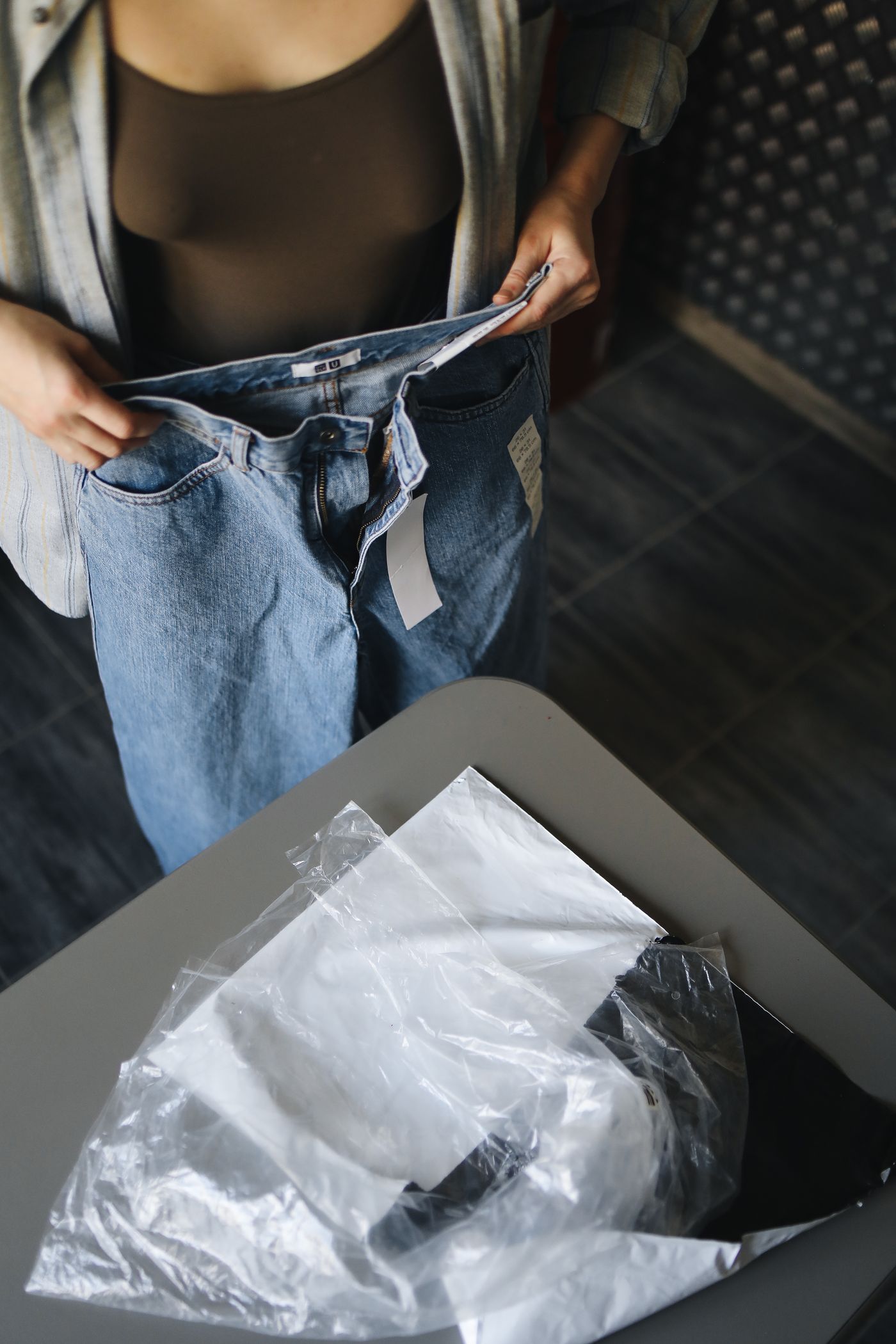
What to check when trying on trousers
Trousers need to work while you sit, walk and reach, not just while you stand in front of a fitting-room mirror. A few ordinary movements reveal more than a label size.
The wardrobe journal
Fit checks, fabric details and buying decisions to make before a garment joins your wardrobe.
Buying & fit
Trousers need to work while you sit, walk and reach, not just while you stand in front of a fitting-room mirror. A few ordinary movements reveal more than a label size.

Buying & fit
The shoulder area influences how a jacket hangs, but its correct position depends on the design. A tailored blazer and a deliberately dropped-shoulder jacket should not be judged by one rule.
Buying & fit
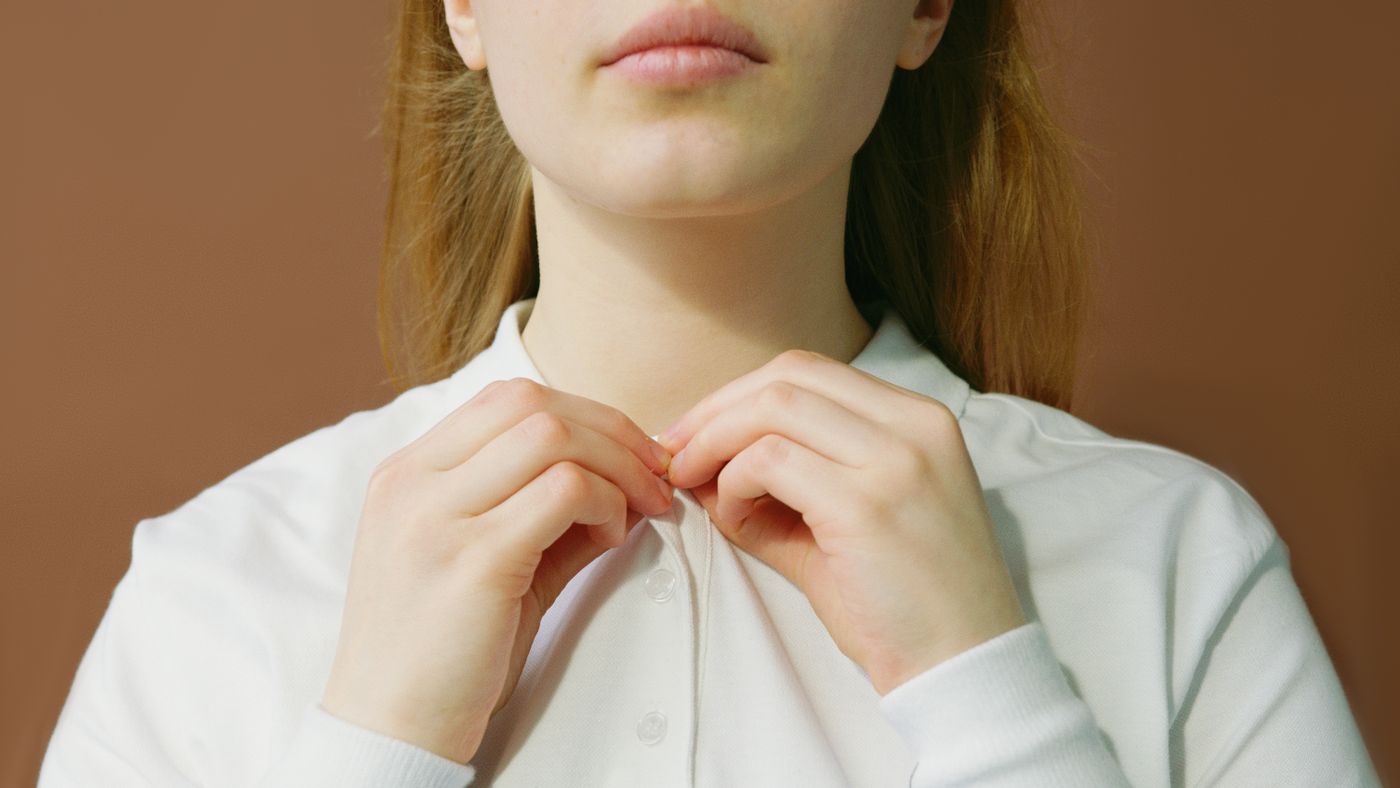
A shirt that gapes is giving you information about its cut and fastening. Find when and where the opening appears before choosing a bigger size or an improvised fix.
Buying & fit
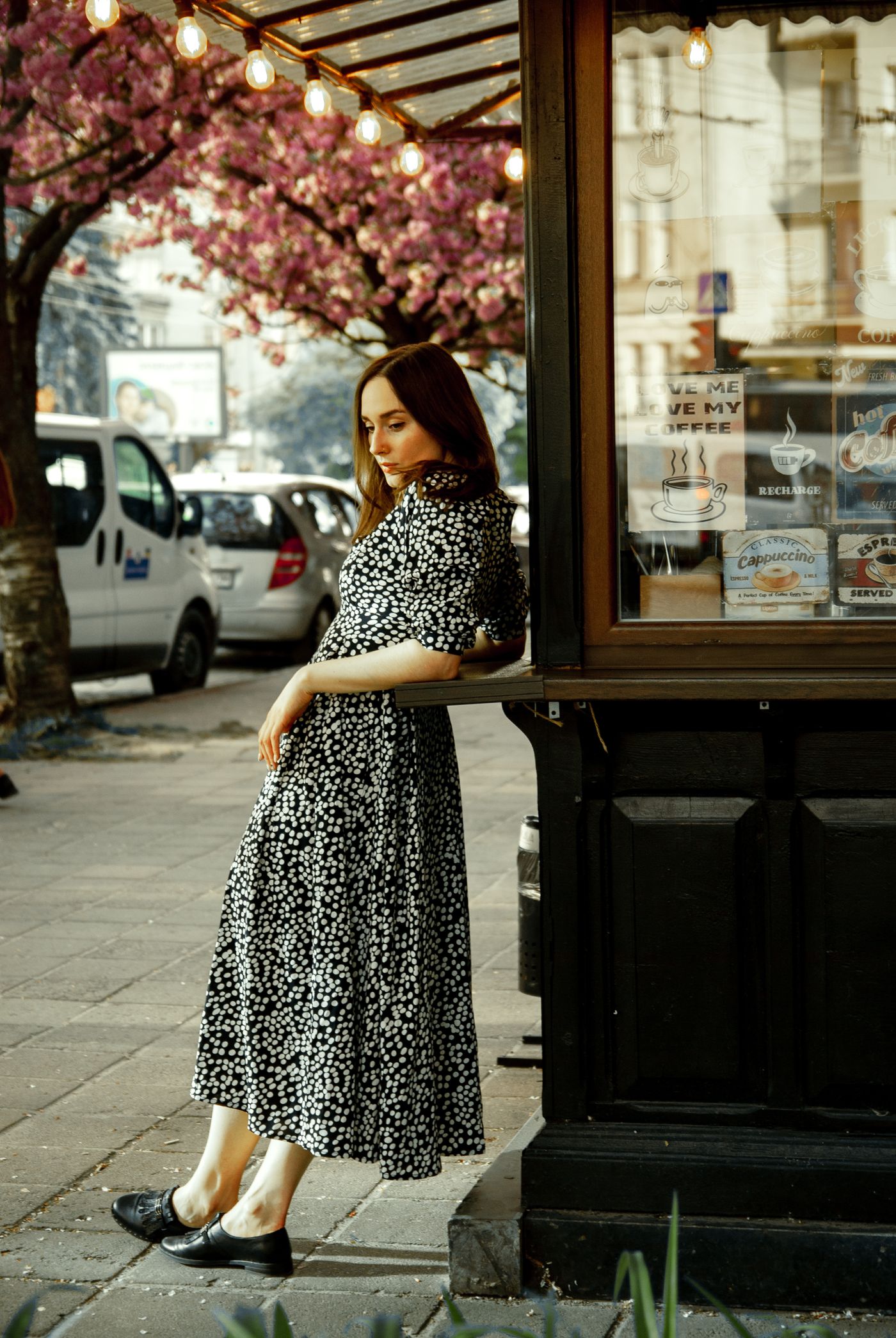
A useful dress length depends on where you go and how you move. The fitting-room question is less about a fixed flattering point and more about whether the dress works through your day.

Buying & fit
The right winter coat has to accommodate what you wear underneath it. Try it with a realistic layer before deciding that the size is correct.
Buying & fit
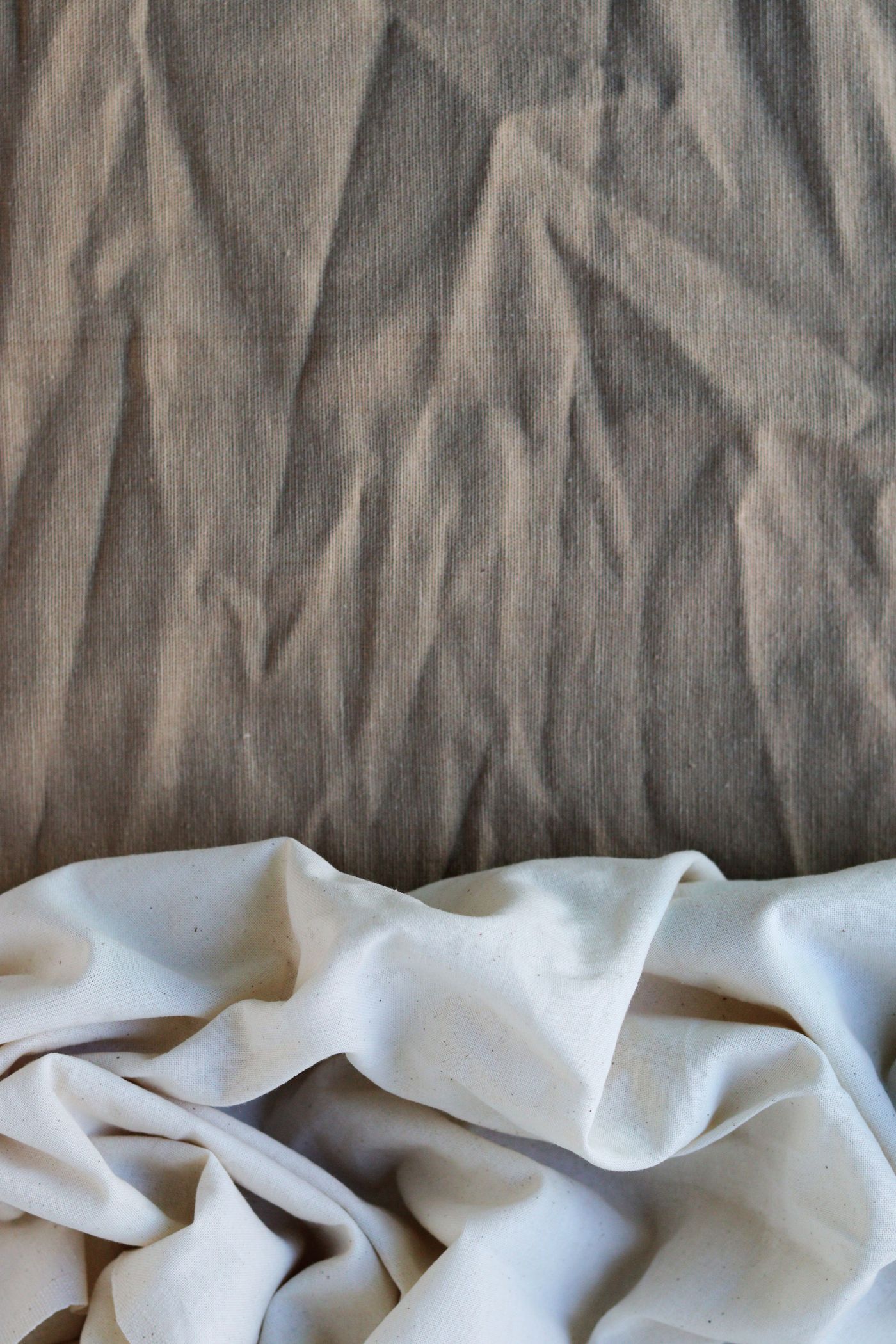
Fabric weight affects how a garment feels and falls, but heavier does not automatically mean better. Compare weight alongside weave, stretch, construction and the job you want the garment to do.
Buying & fit
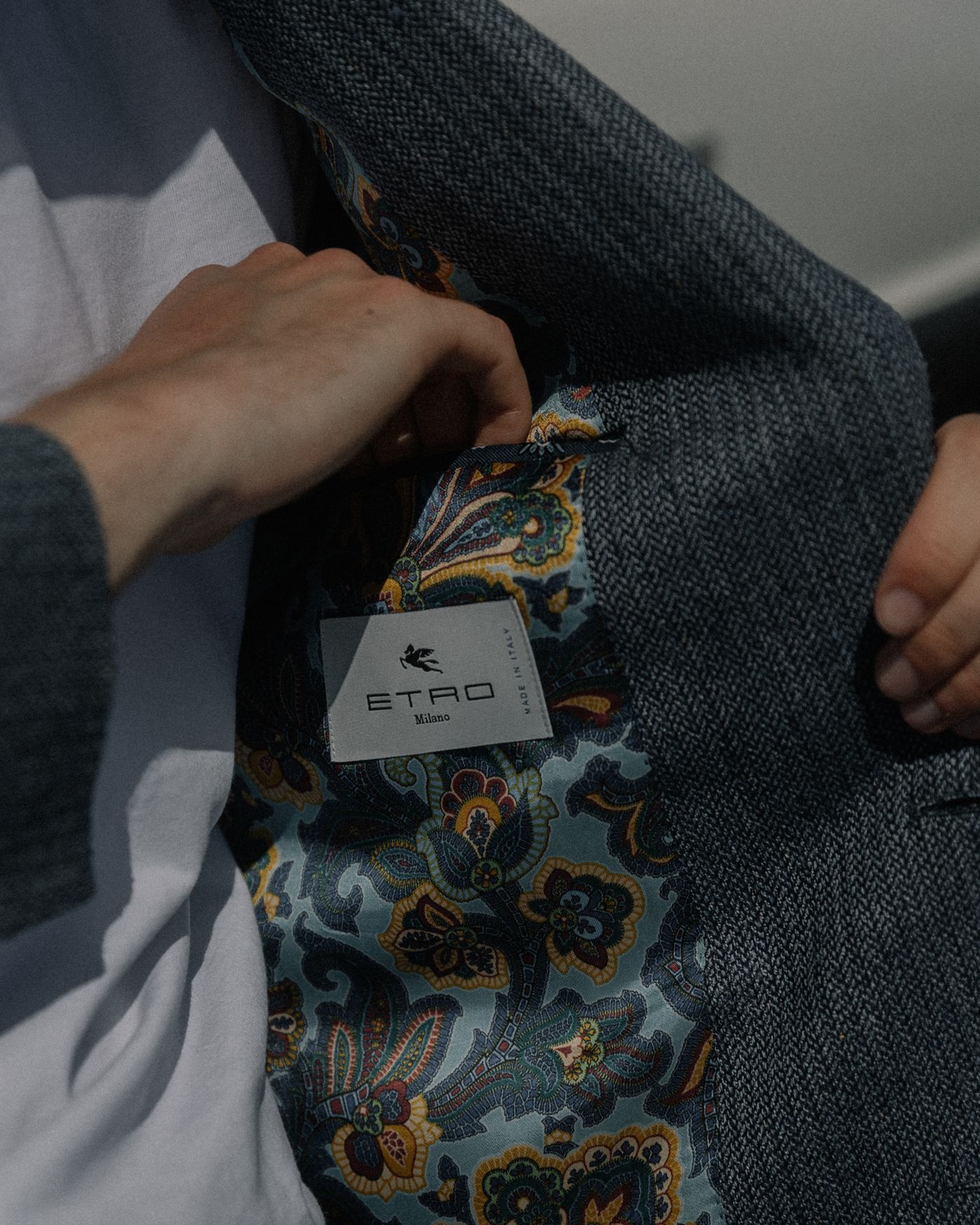
A lining can affect movement and comfort as much as the outer fabric. Turn the garment carefully and check the part that will spend the day against your other clothes.
Buying & fit
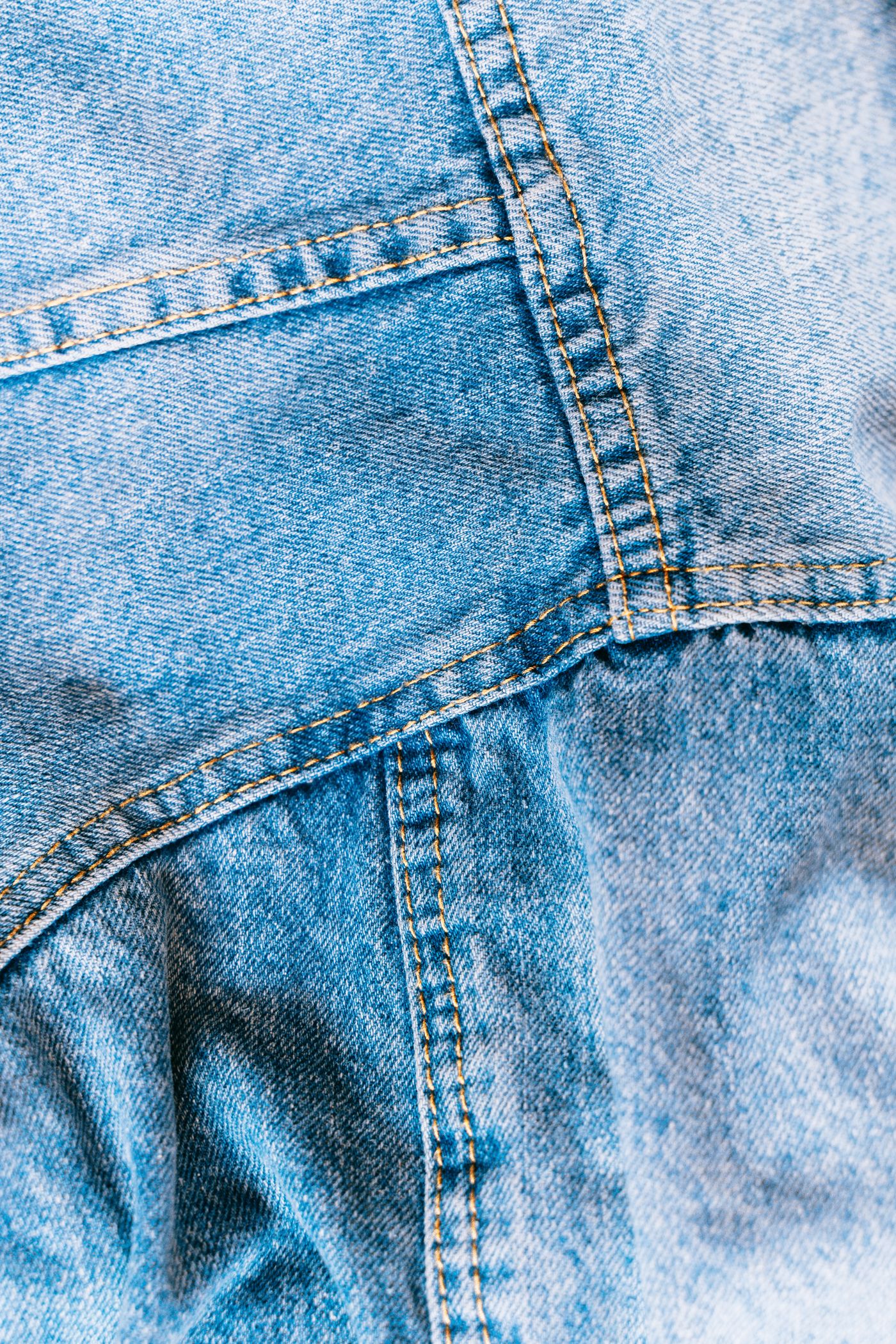
A quick look inside a garment can reveal issues that are hard to see on the hanger. Focus on how the seams behave rather than trying to assign every stitch a quality score.
Buying & fit
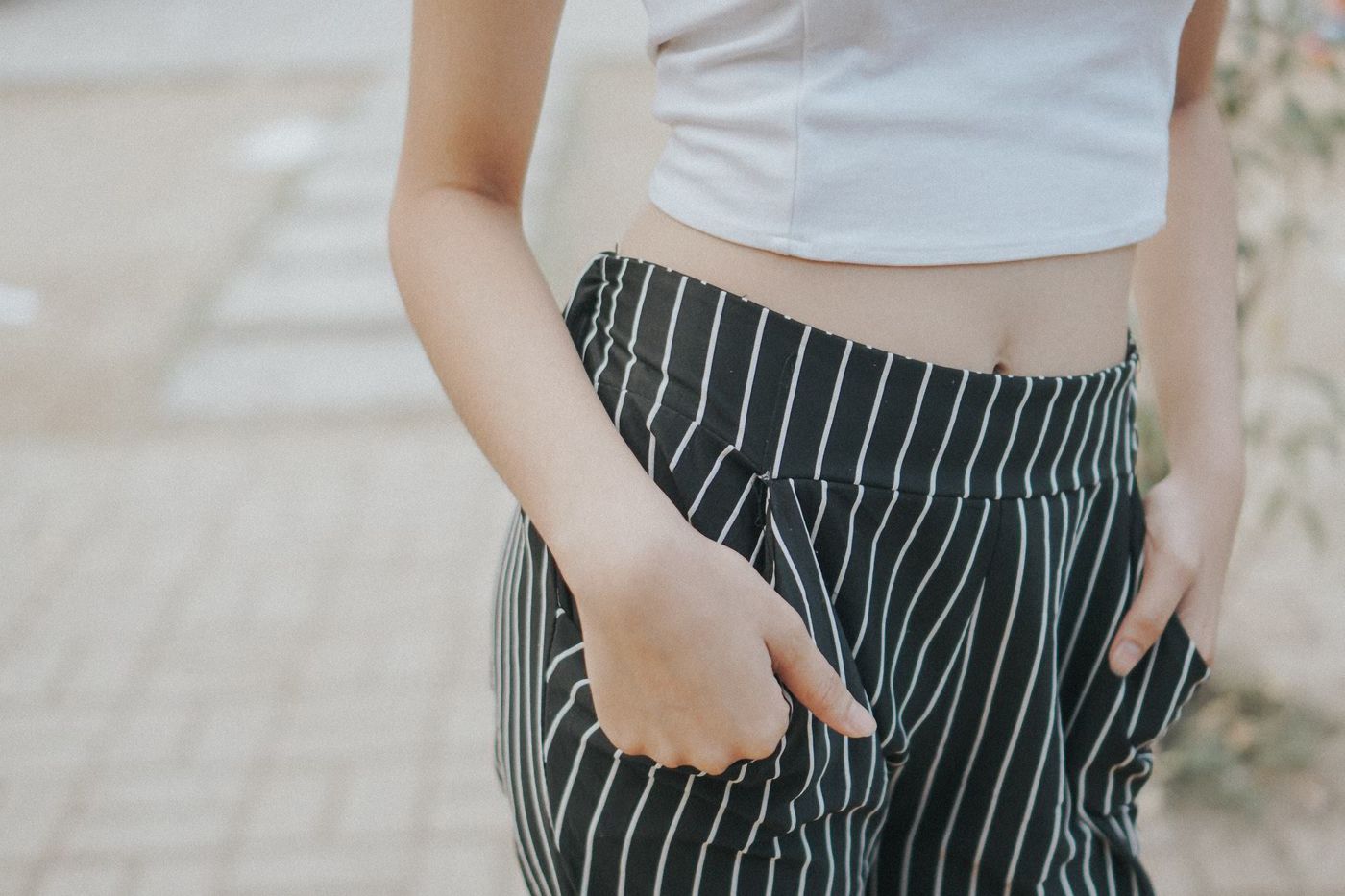
Pockets can change the way a garment hangs once they hold something. Try them with the small items you actually carry, rather than judging usefulness from the opening alone.
Buying & fit
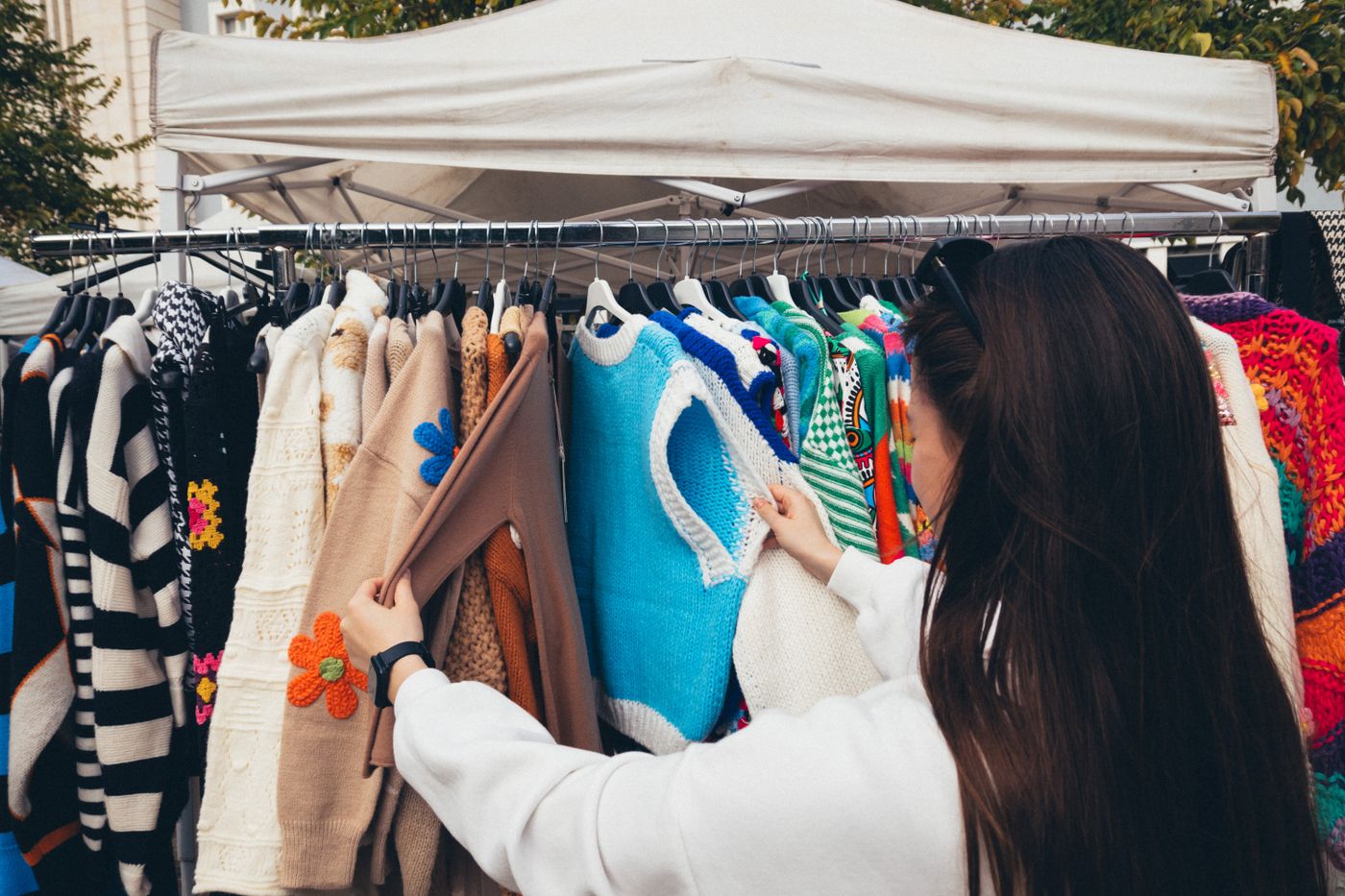
Second-hand knitwear needs a close look at its structure, not just its colour. A few bobbles can be manageable; thinning, holes and stretched shaping ask different questions.
Buying & fit
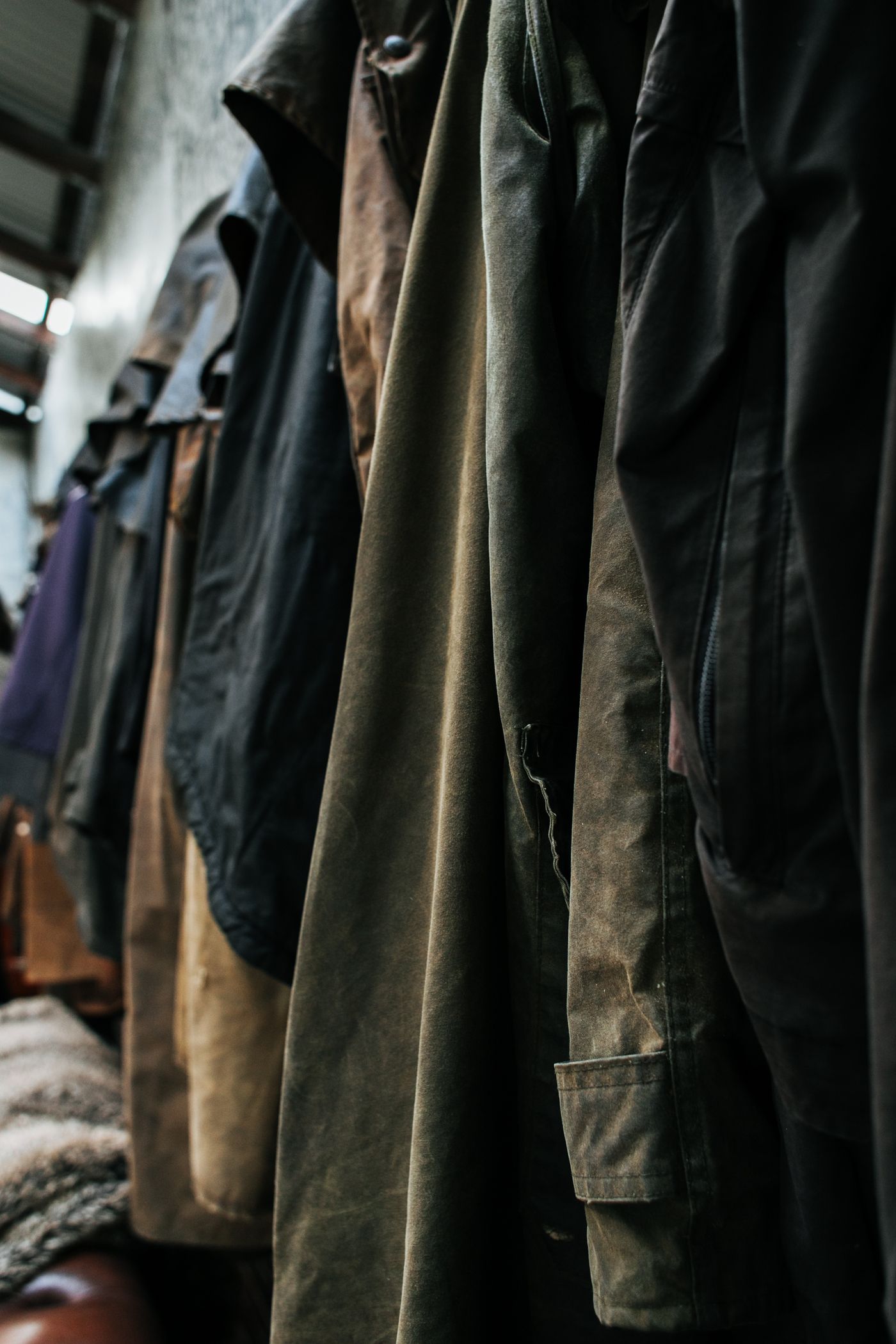
A second-hand coat can offer plenty of useful wear, but its condition is often uneven. Inspect the parts that have handled the weather and daily movement before judging the whole piece.
Buying & fit
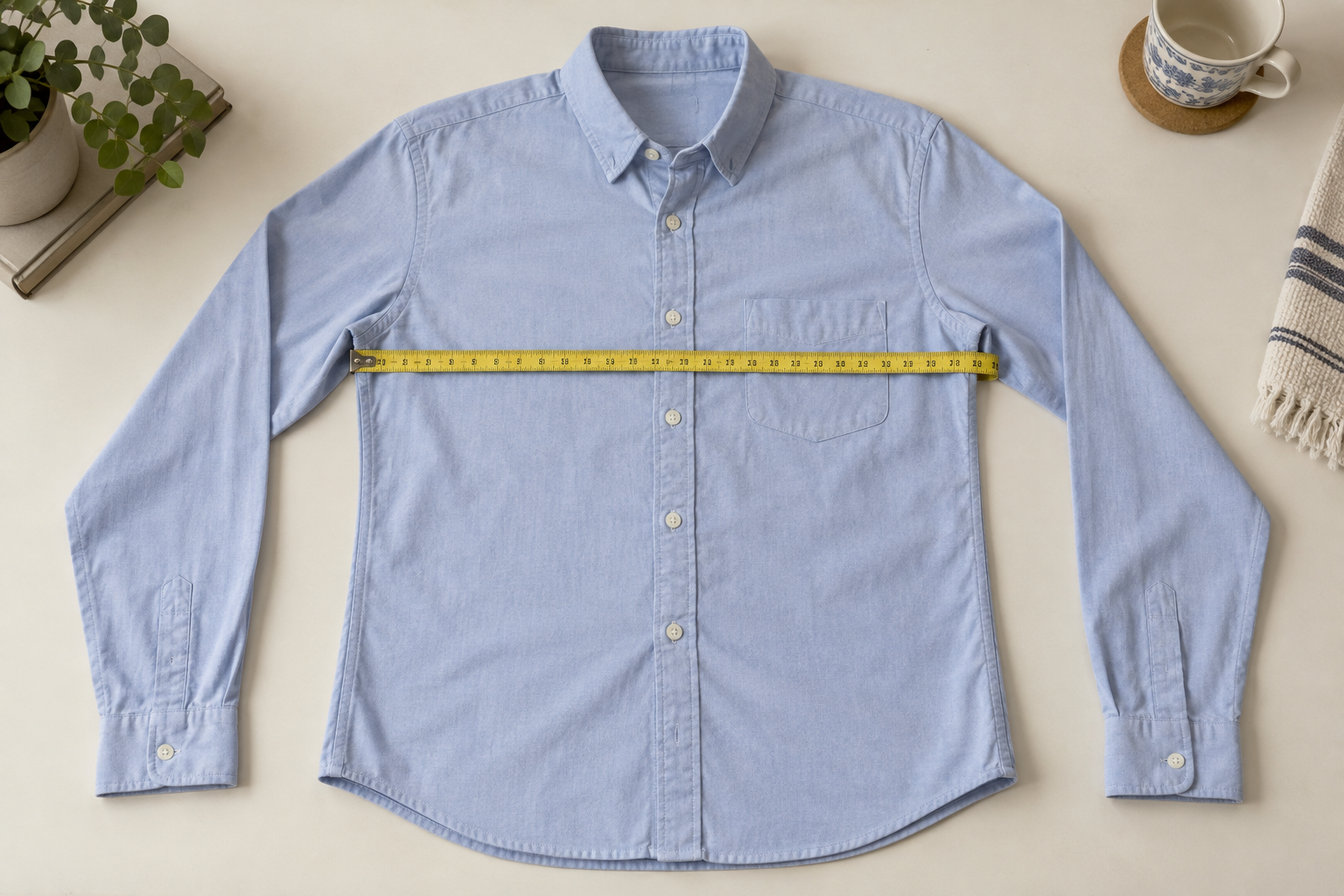
Measurements are helpful online only when you know what has been measured. A body-size chart and a finished-garment measurement describe different things.
Buying & fit
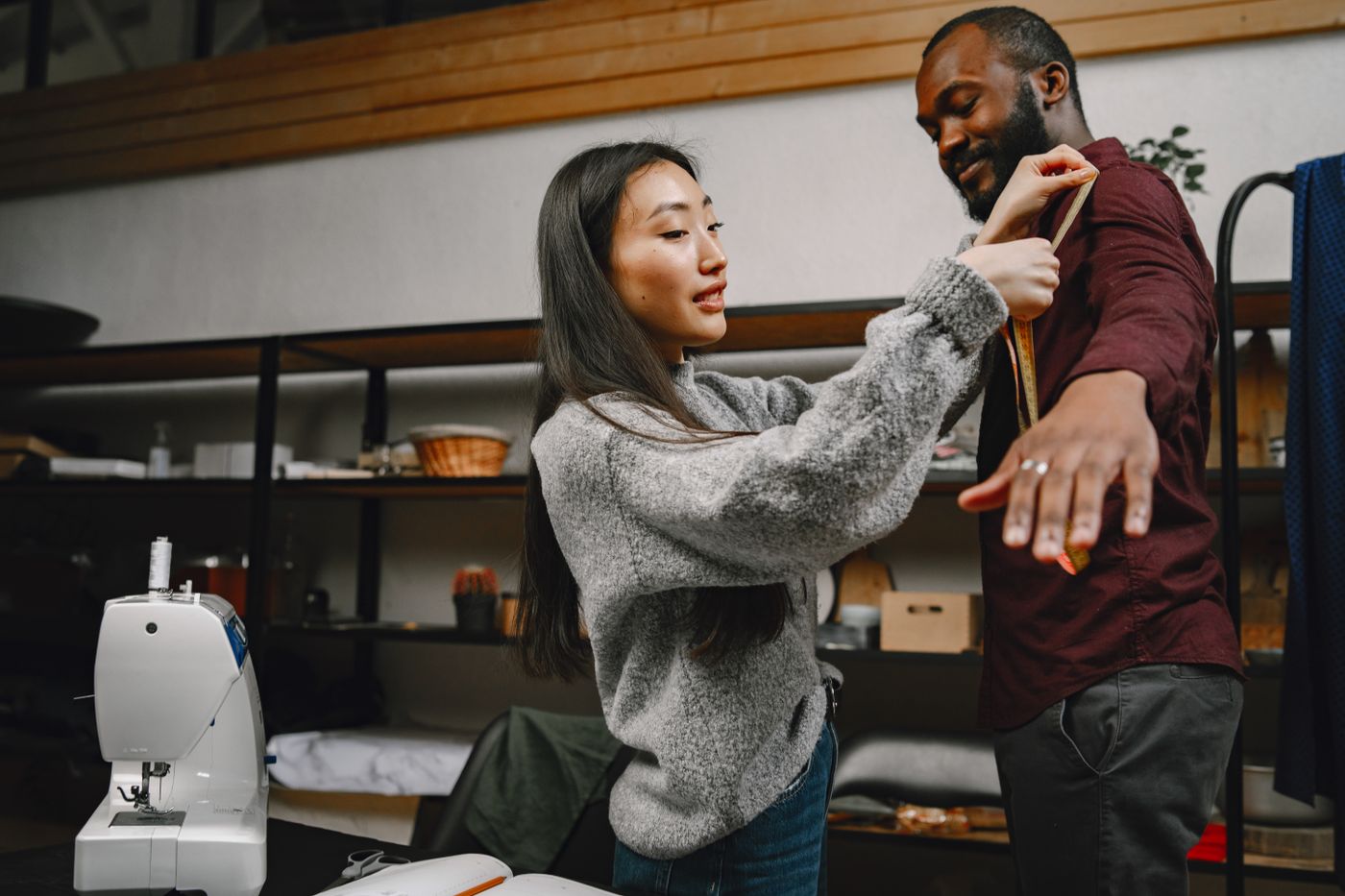
A familiar size label is a starting point, not a promise that another garment will fit the same way. Measurements and the intended cut give you more useful information.
Buying & fit
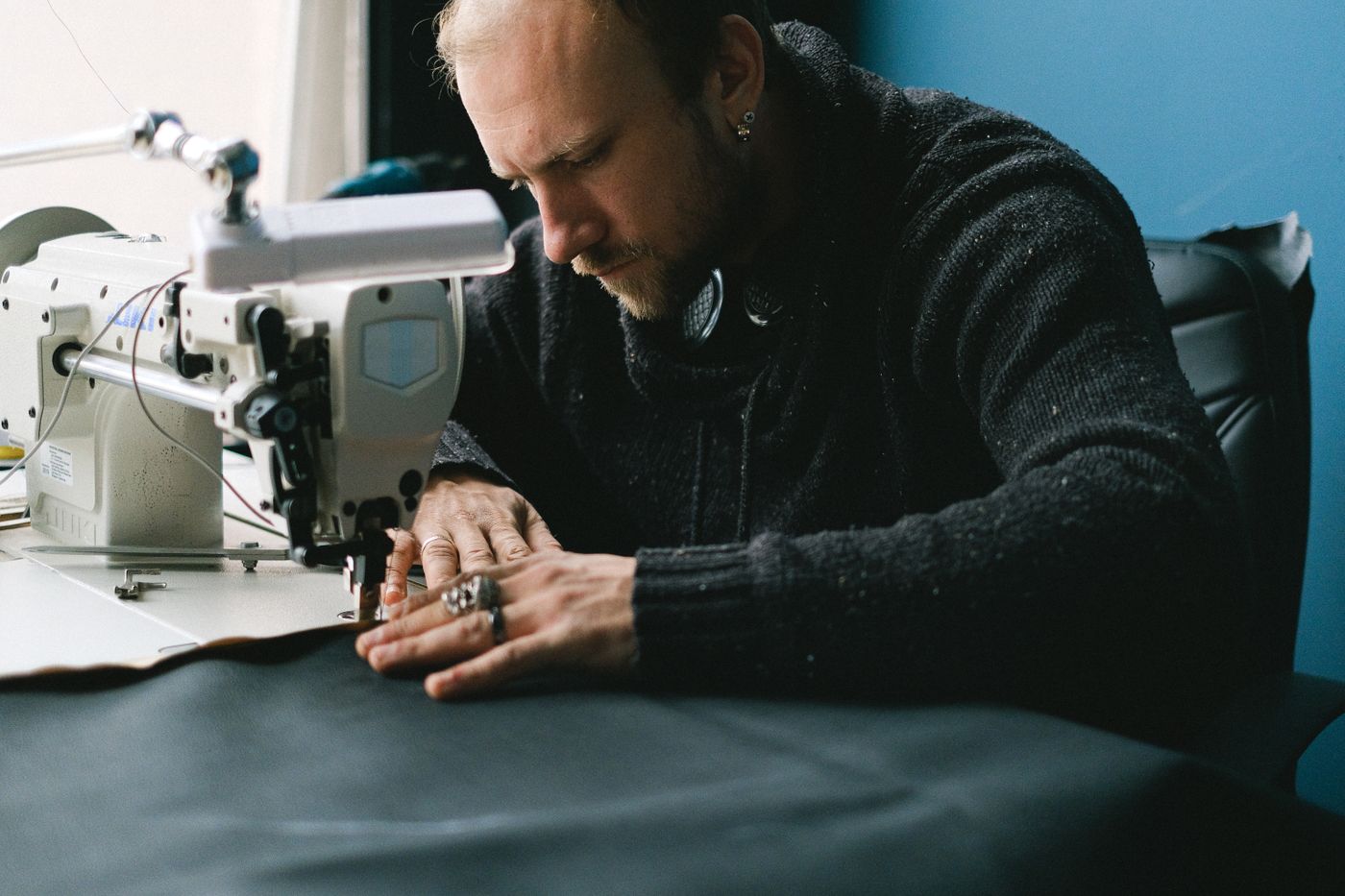
An alteration can make a promising garment more useful, but only if the change is feasible. Ask the questions before buying a piece that depends on being rebuilt.
Buying & fit
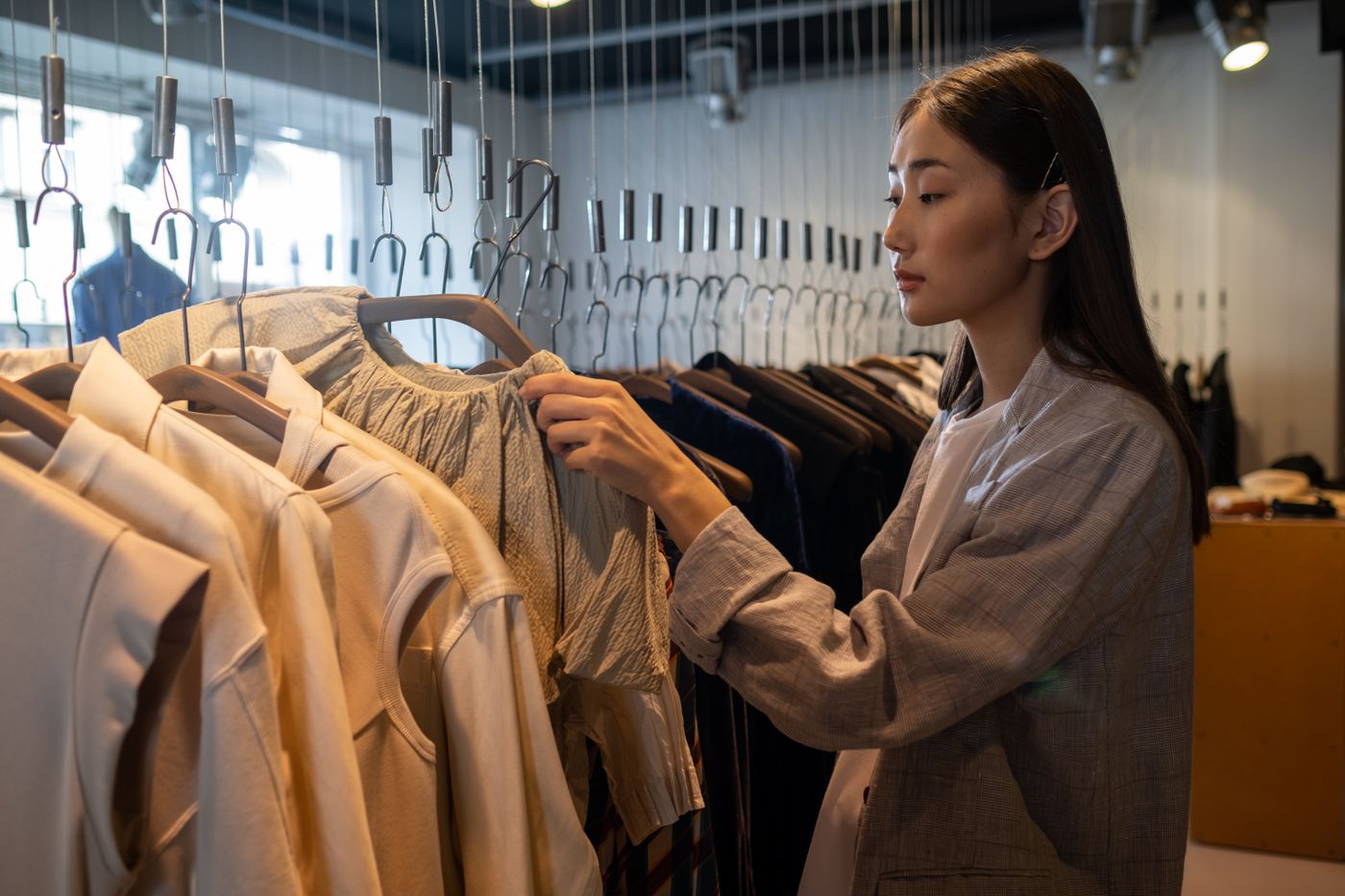
Cost per wear can help compare how clothes are used, but it is easy to turn an estimate into an excuse. Keep the arithmetic connected to real habits.
Buying & fit
A sale price can make a decision feel urgent. A short pause gives you time to check whether the garment solves a real wardrobe need or simply looks attractive beside a reduction.
Buying & fit
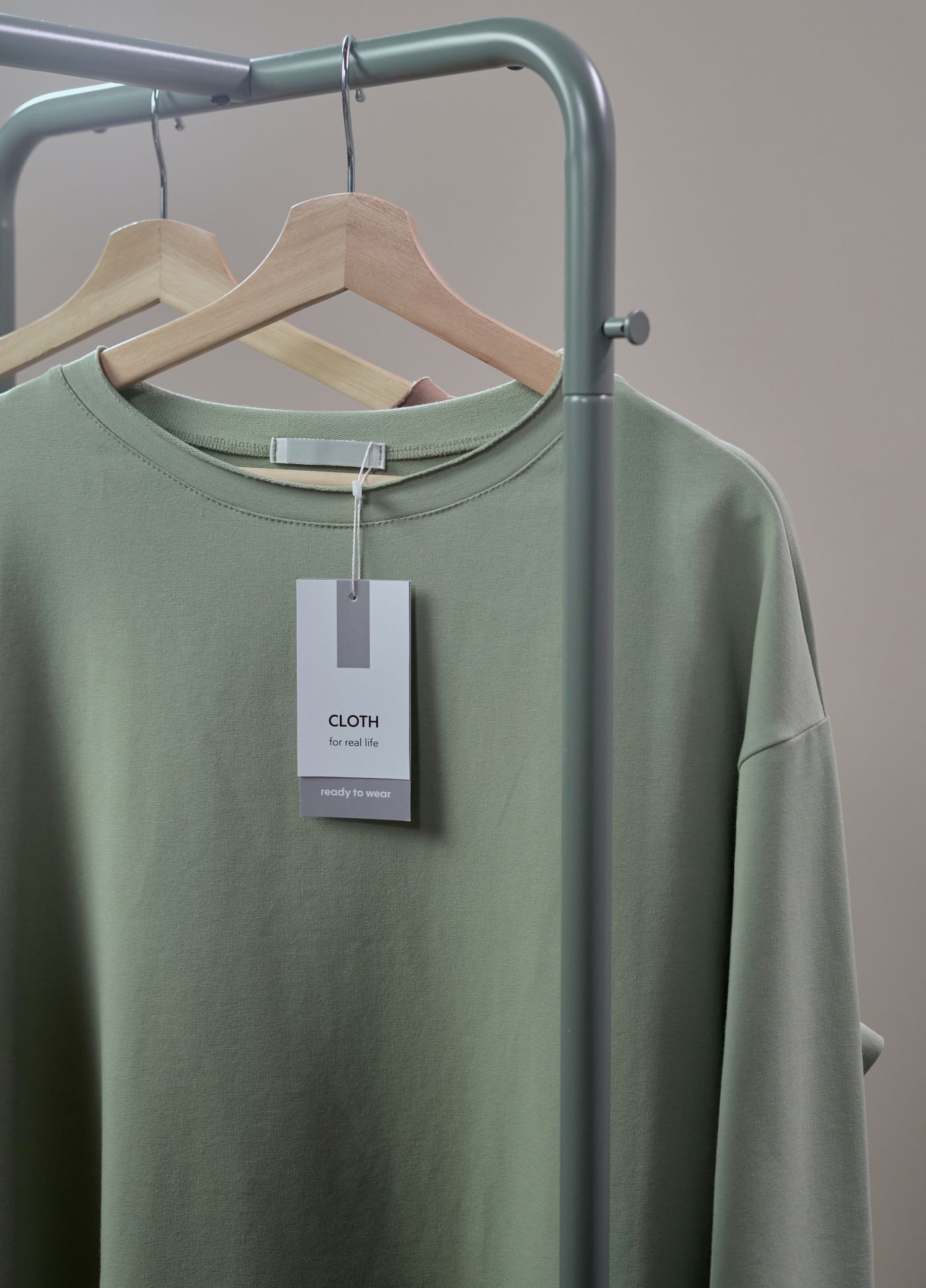
Keep the tags attached while you decide whether a new garment is right. A calm check at home can reveal details that were easy to miss in a shop or product photograph.
Buying & fit
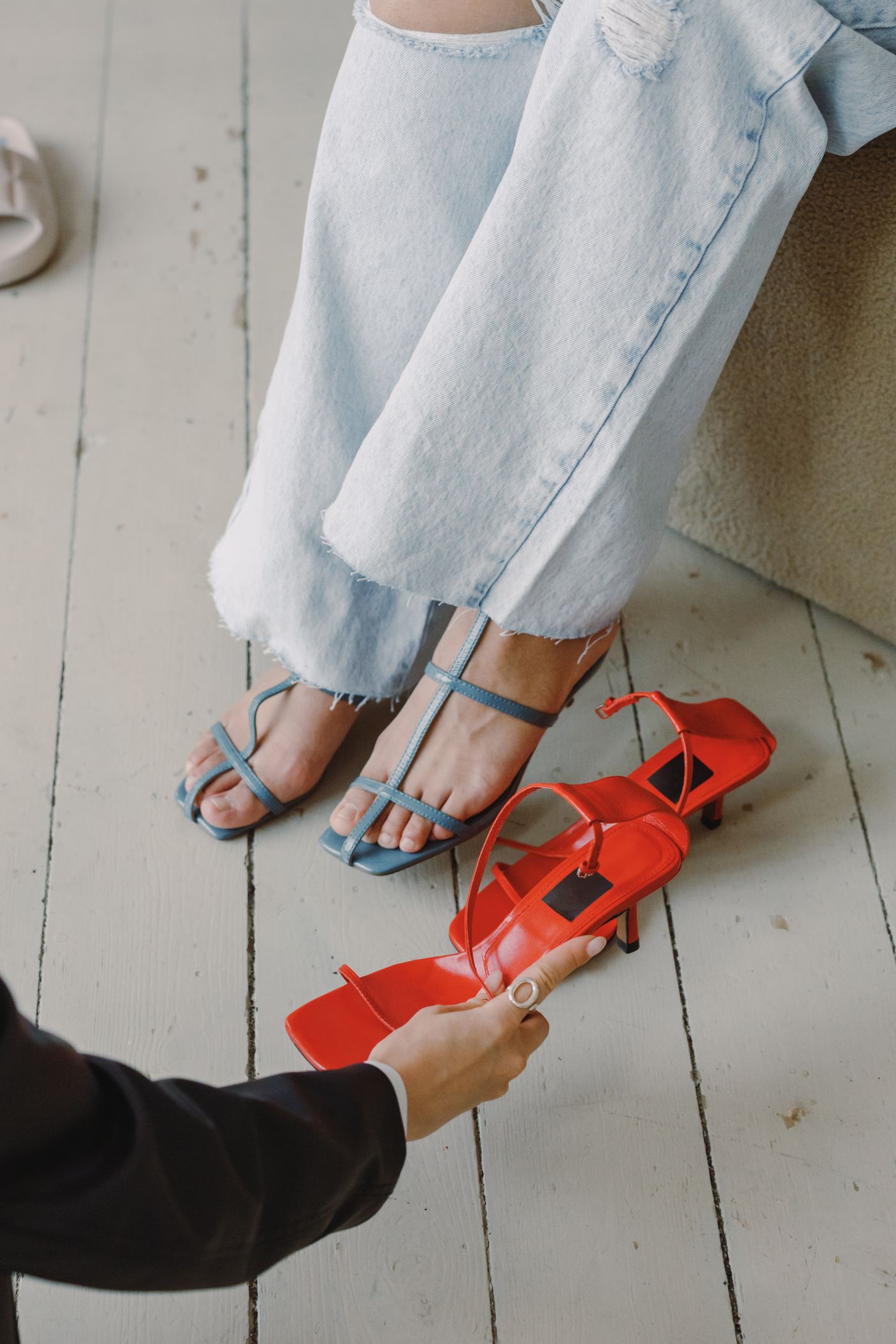
Trying on shoes is more useful when you recreate the way you will wear them. Bring the intended socks and give both feet a proper chance to move.
Buying & fit
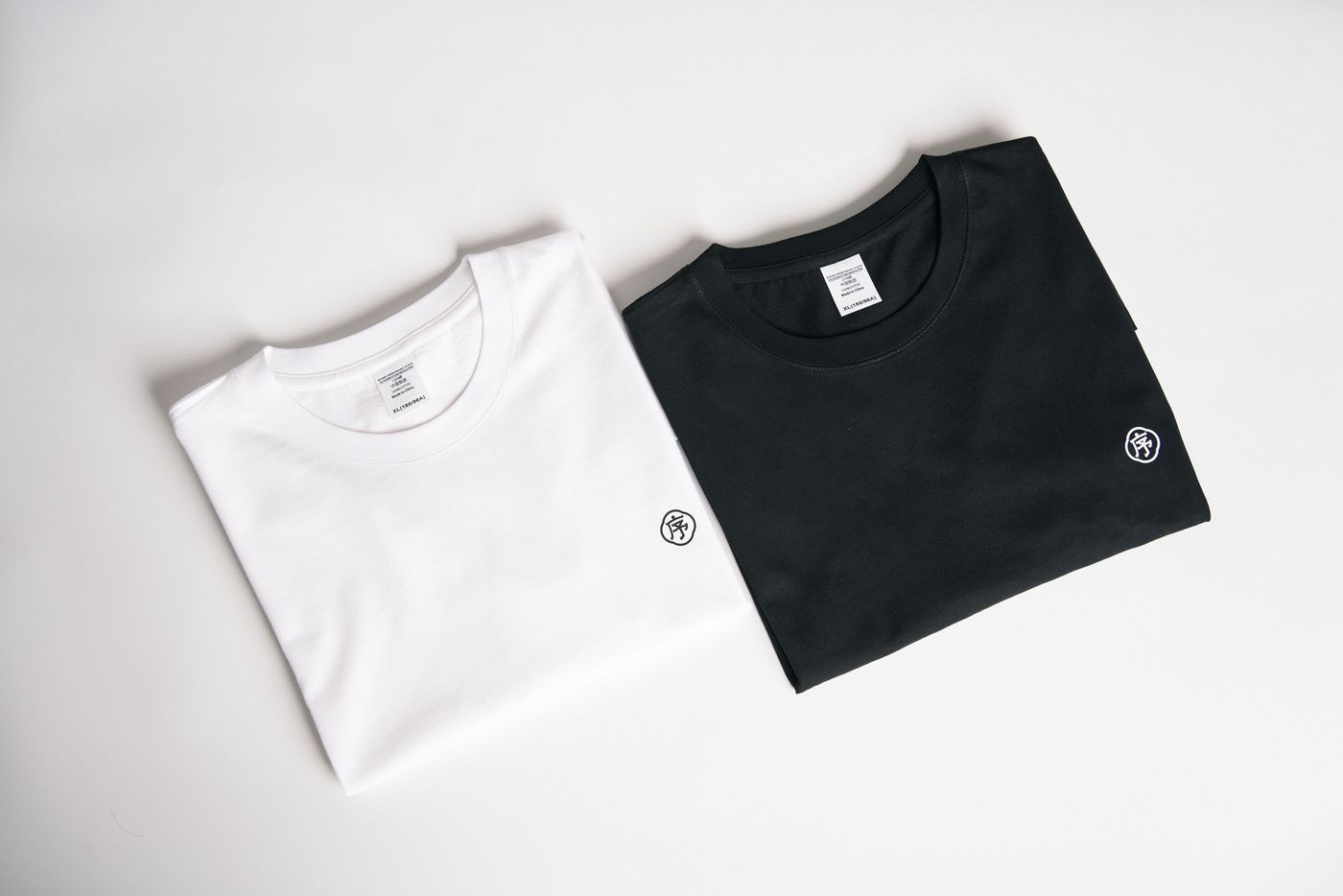
A duplicate basic can make a busy wardrobe easier to use. It is most convincing when the first version already proves its value, rather than when the second merely promises to be useful.