Start where the garment works hardest
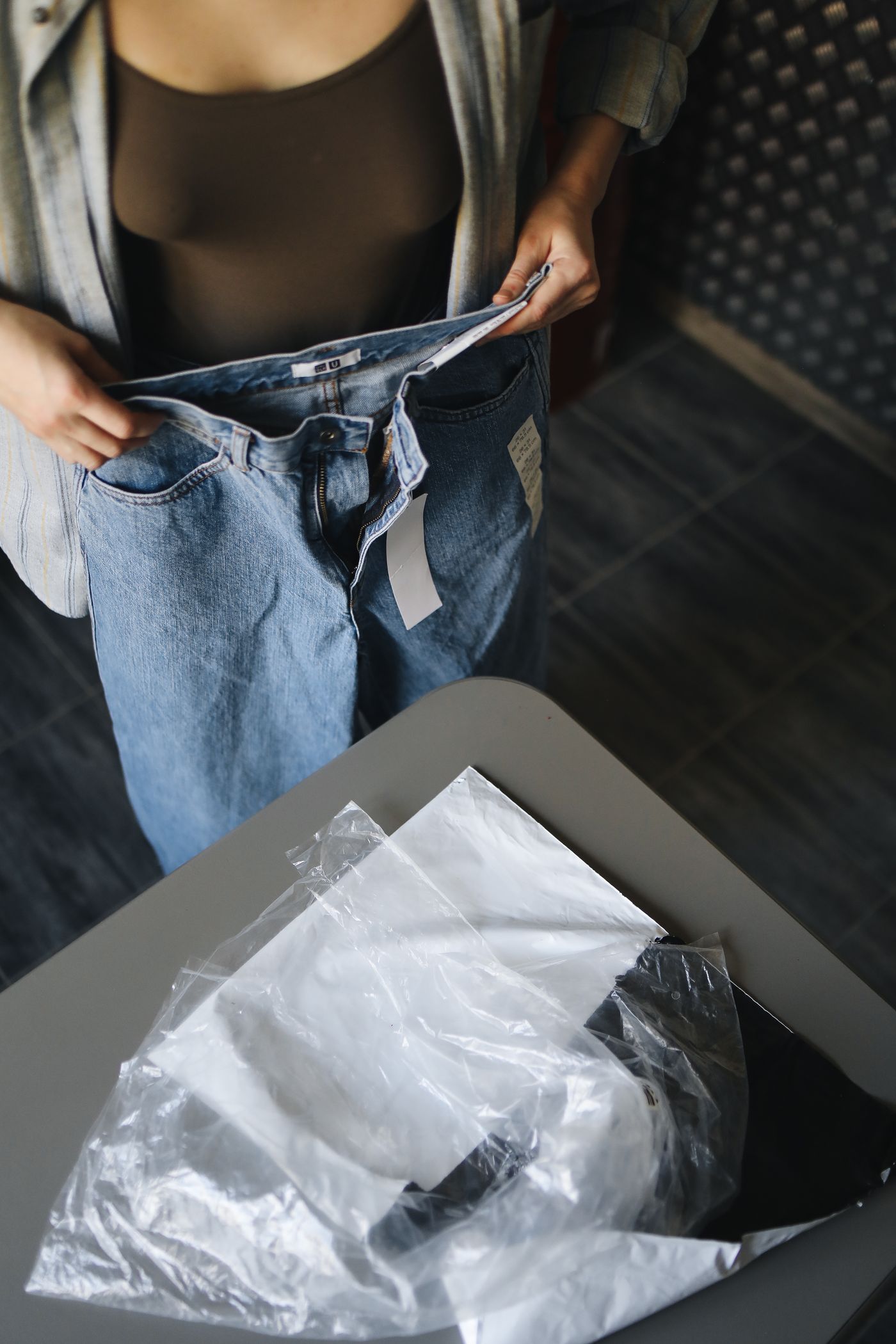
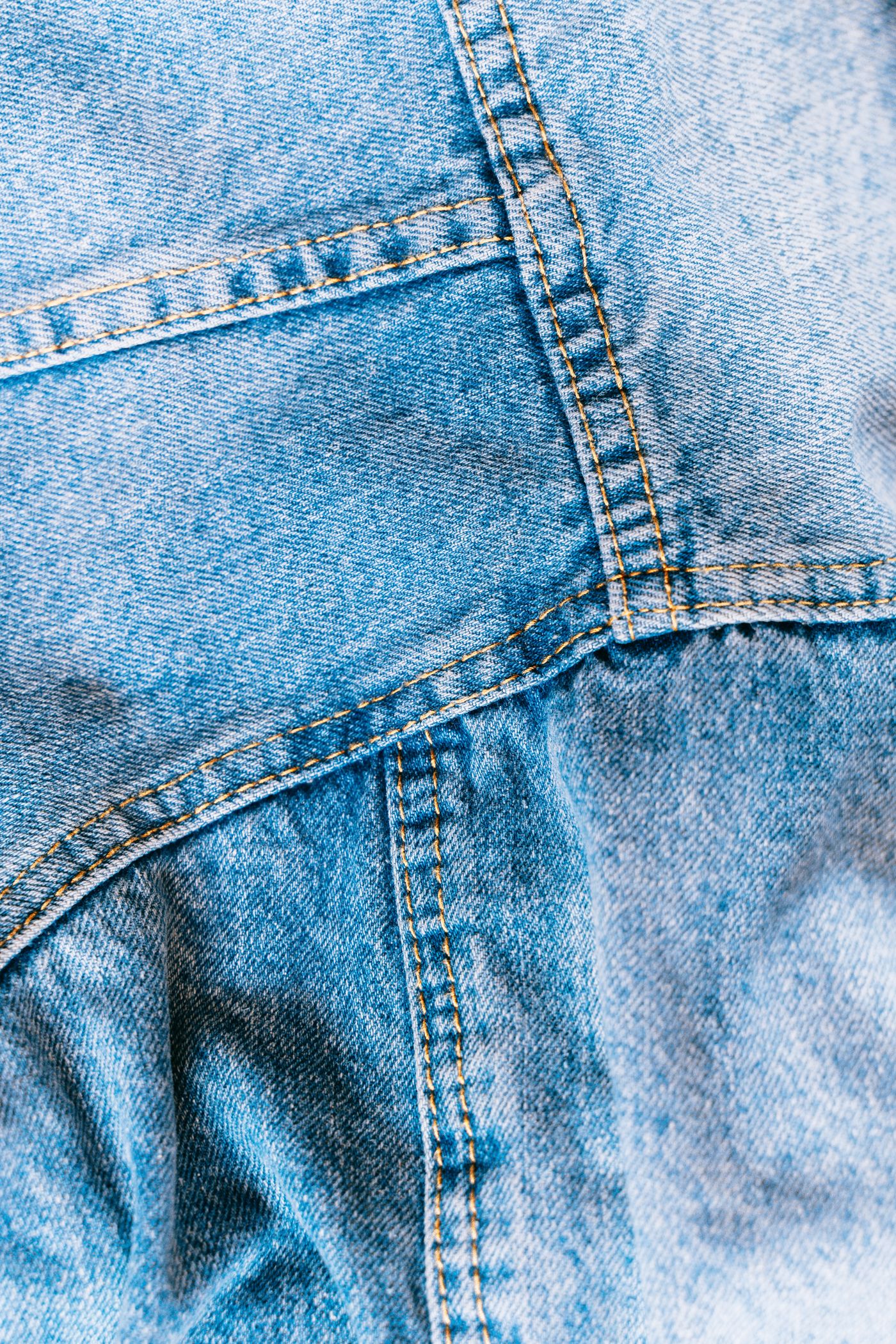
Check underarms, pocket openings, the seat of trousers and areas beside fastenings. Look for loose stitching, obvious gaps or cloth that appears stressed. Handle the item gently; pulling hard on a seam is not a fair or necessary fitting-room test.
Turn the garment enough to see the inside finish. Different fabrics and designs use different seam methods. An overlocked edge is not automatically a defect, and a neat-looking finish does not guarantee that every other part of the garment is well made.
Look while wearing it
A seam may lie flat on a table and pull once the garment is on. Move in the way you expect to use the piece, then check for pronounced puckering, twisting or strain. Compare both sides where the design is symmetrical.
Consider whether the problem comes from fit rather than sewing. A seam under tension may be asking for more room or a different cut. Trying another size can help, but do not assume it will fix a twisted construction or a visibly missed section of stitching.
Make a proportionate decision
A single loose thread end can be quite different from an opening seam. Do not tug it to find out how far it goes. Ask the retailer if the construction is unclear, particularly on a delicate or expensive garment.
For second-hand pieces, include possible repair in your decision. Check whether there is sound fabric around a damaged seam and seek advice if the cloth itself is worn. The useful question is whether the garment is ready for your intended wear, or whether the repair is realistic enough to justify the purchase. A supposed bargain loses its appeal if it immediately joins a pile of uncertain jobs.