Describe the result you want
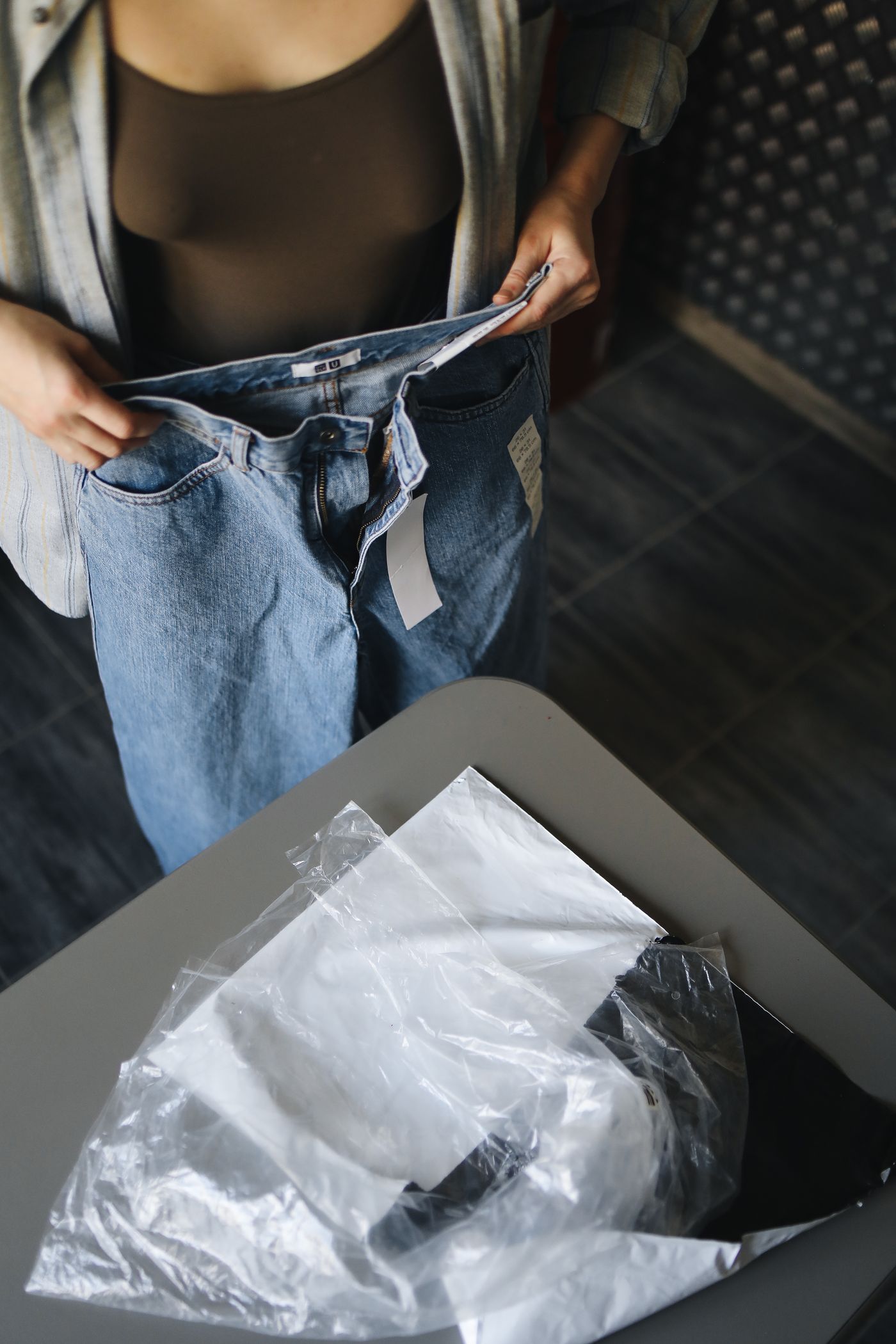
Be specific about the problem. Shortening a trouser leg, narrowing a waist and changing a jacket shoulder involve different work. Try the garment with the shoes or layers you plan to use so the proposed alteration is based on the finished outfit.
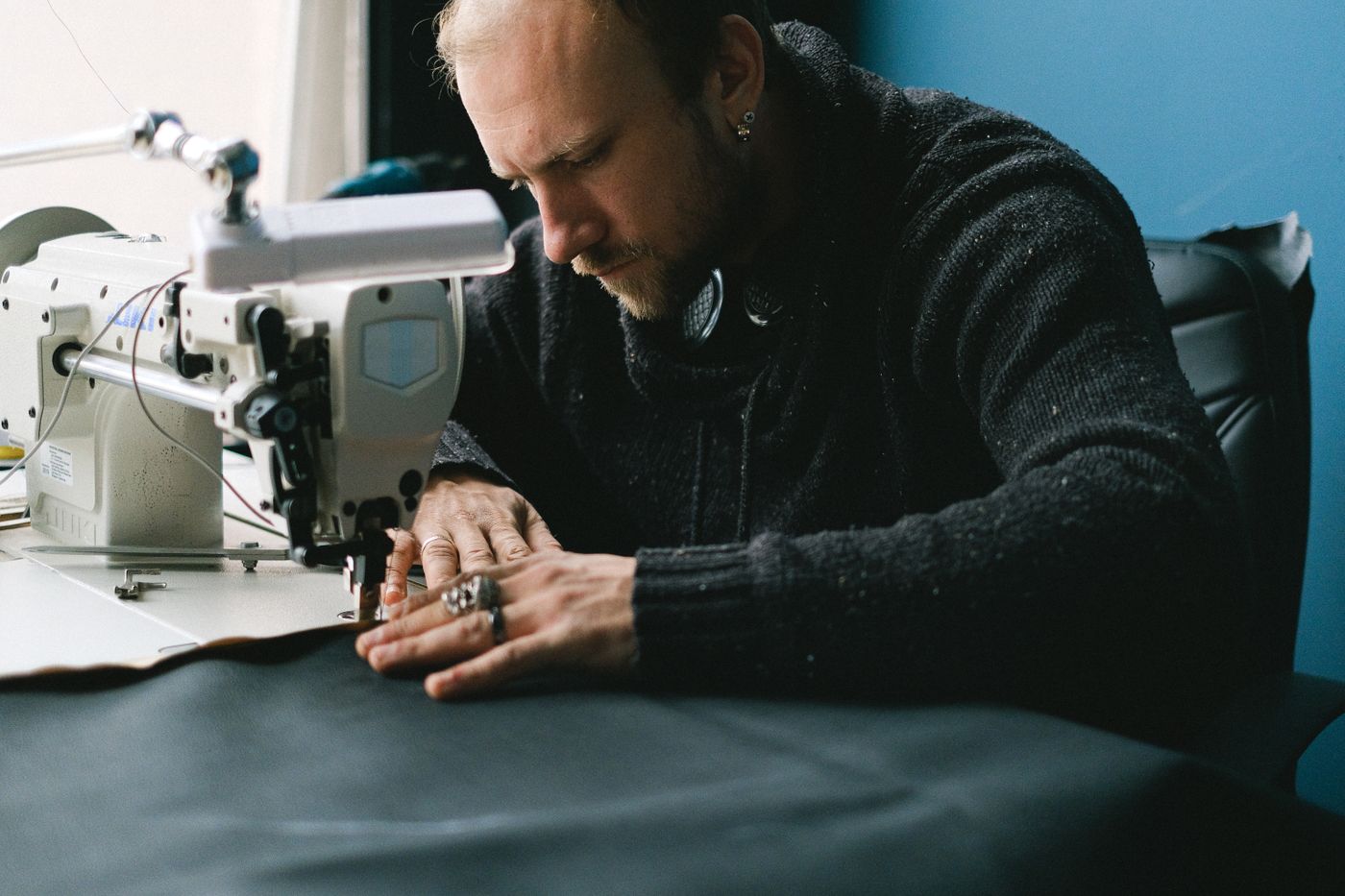
Ask a tailor or repairer to assess the actual garment where possible. Photographs may help, but hidden construction, lining and seam allowance can affect the answer. Avoid assuming that a change is simple because the unwanted fabric appears small from the outside.
Ask what else will move
A hem change can affect a border or vent. Taking in a garment may alter pocket position, balance or the way a fastening sits. Letting something out requires suitable material in the seams; spare fabric is not guaranteed to be there.
Ask how the alteration will look inside and out, and whether it changes future care. For a lined or decorated piece, find out how those elements will be handled. You do not need specialist terminology to ask whether the finished garment will still hang and move naturally.
Add cost and timing before deciding
Get a clear estimate and discuss any uncertainty. Include the alteration in the real purchase price, and check whether the work can be completed before the event or season for which you need the item.
Sometimes another size or cut is the more straightforward choice. Keep alterations for a result you can reasonably expect, rather than using them to justify an uncomfortable garment on sale. If the purchase is only worthwhile after a major change, seek the assessment first. An attractive piece waiting indefinitely for an unaffordable repair is not doing the work you bought it to do.