Clothing care
Washing a wool jumper with less guesswork
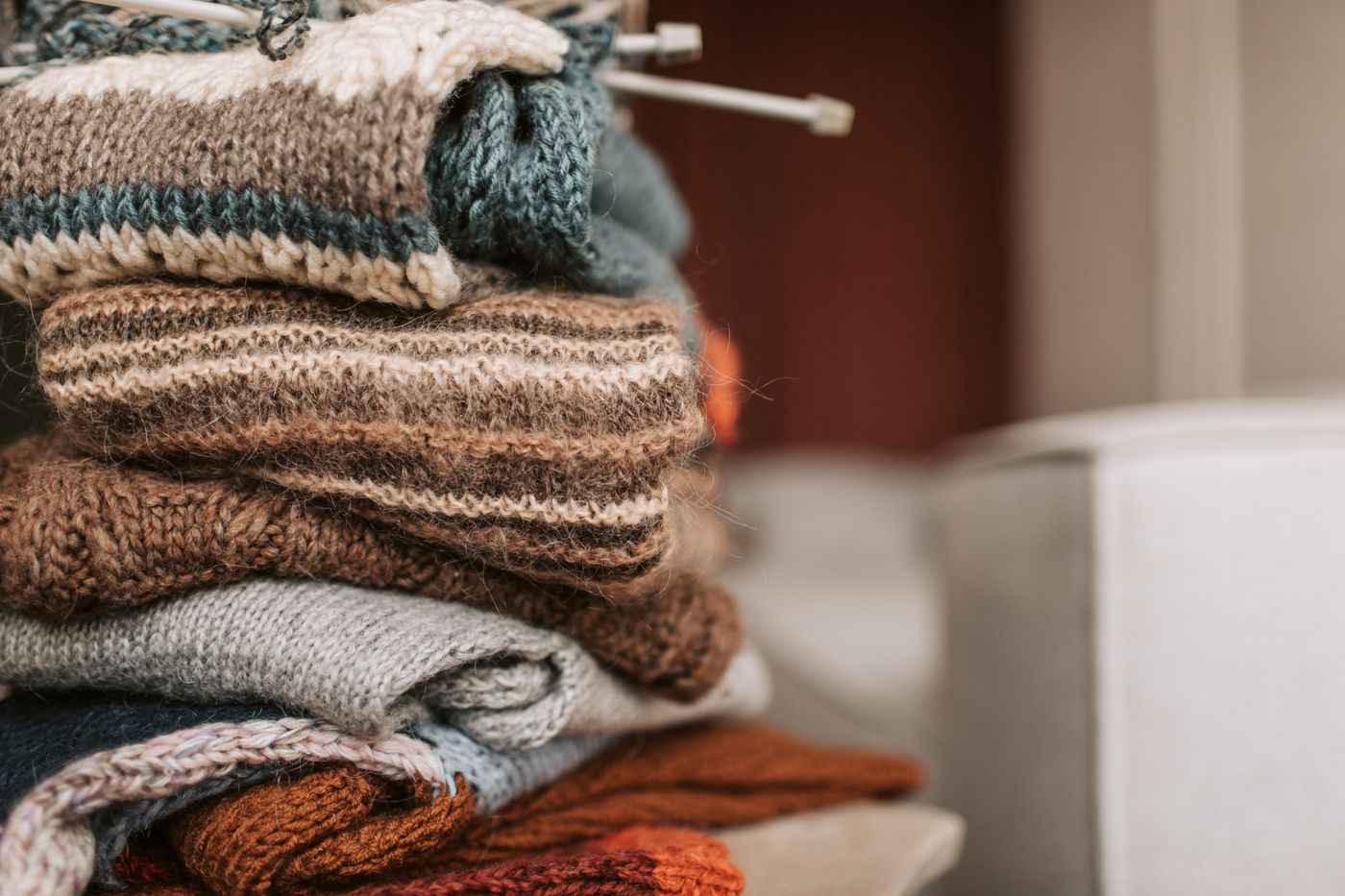
A wool jumper needs a care decision before it needs a wash. Start with its label, then choose a method that suits the garment rather than treating all wool alike.
THE EVERYDAY WARDROBE
Labels, laundry and small repairs: look after the clothes already in your wardrobe.
A wool jumper needs a care decision before it needs a wash. Start with its label, then choose a method that suits the garment rather than treating all wool alike.
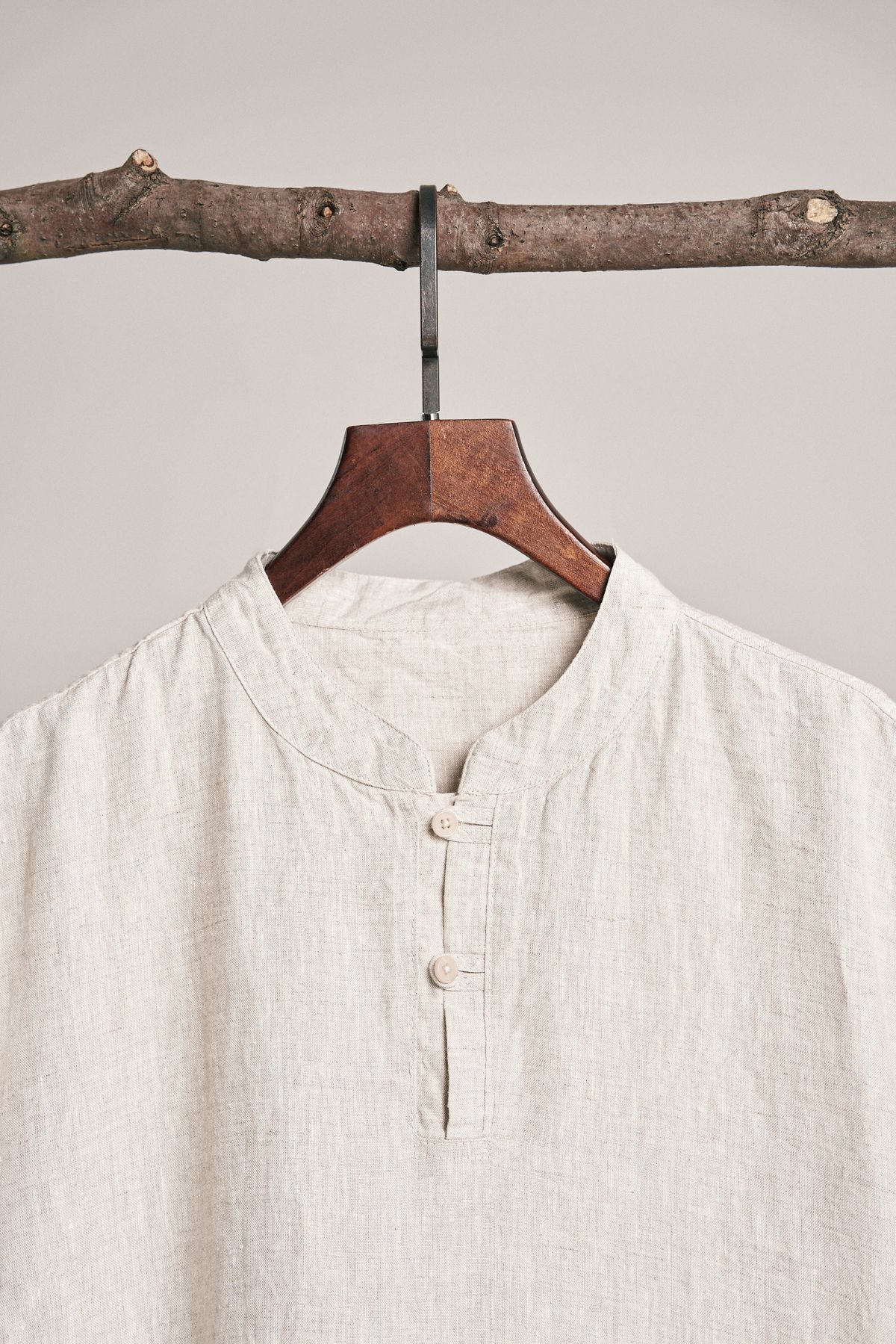
Linen acquires creases as you wear it. Deciding which ones matter is often more useful than trying to keep every fold out of the fabric.
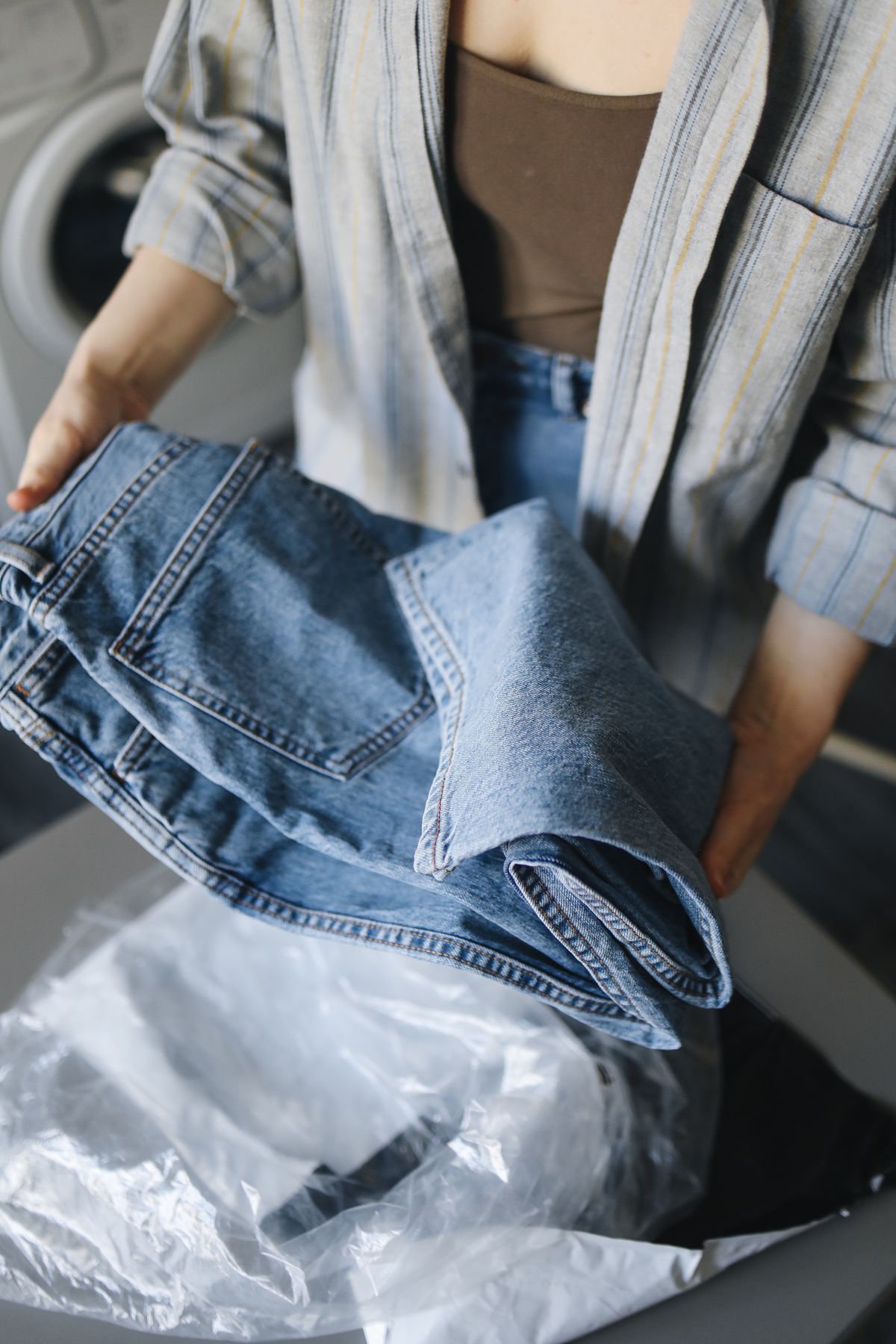
There is no useful universal number of wears for every pair of jeans. Your day, the fabric and the condition of the jeans are better starting points.

Silk on the fibre label does not tell you everything about cleaning a garment. Colour, construction and decoration can change the decision.
A small rotation of cotton shirts works best when each shirt gets enough time to be cleaned, dried and checked before its next outing.
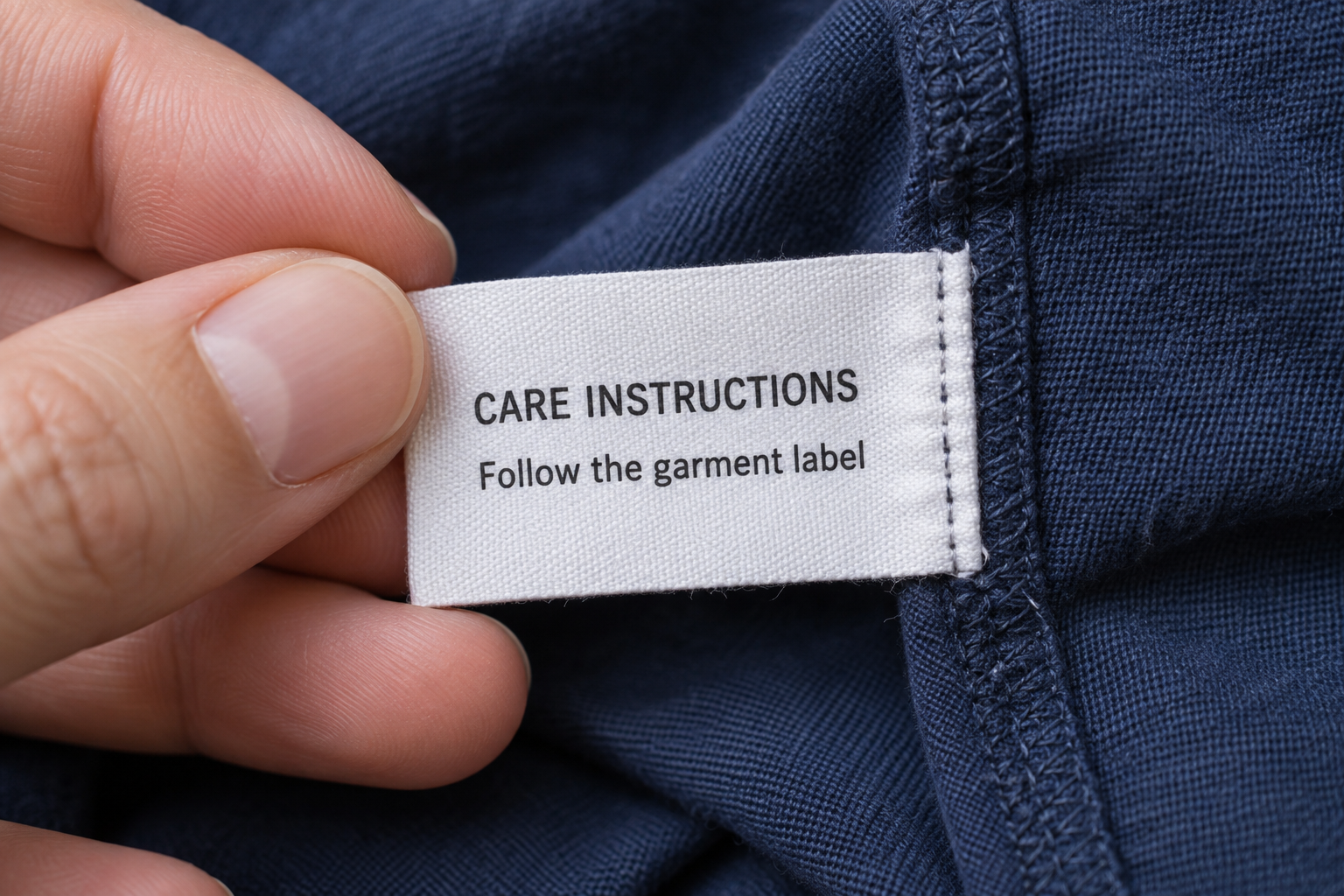
A care label is a set of instructions for the complete garment. Read it before choosing a wash, not after something has changed shape.
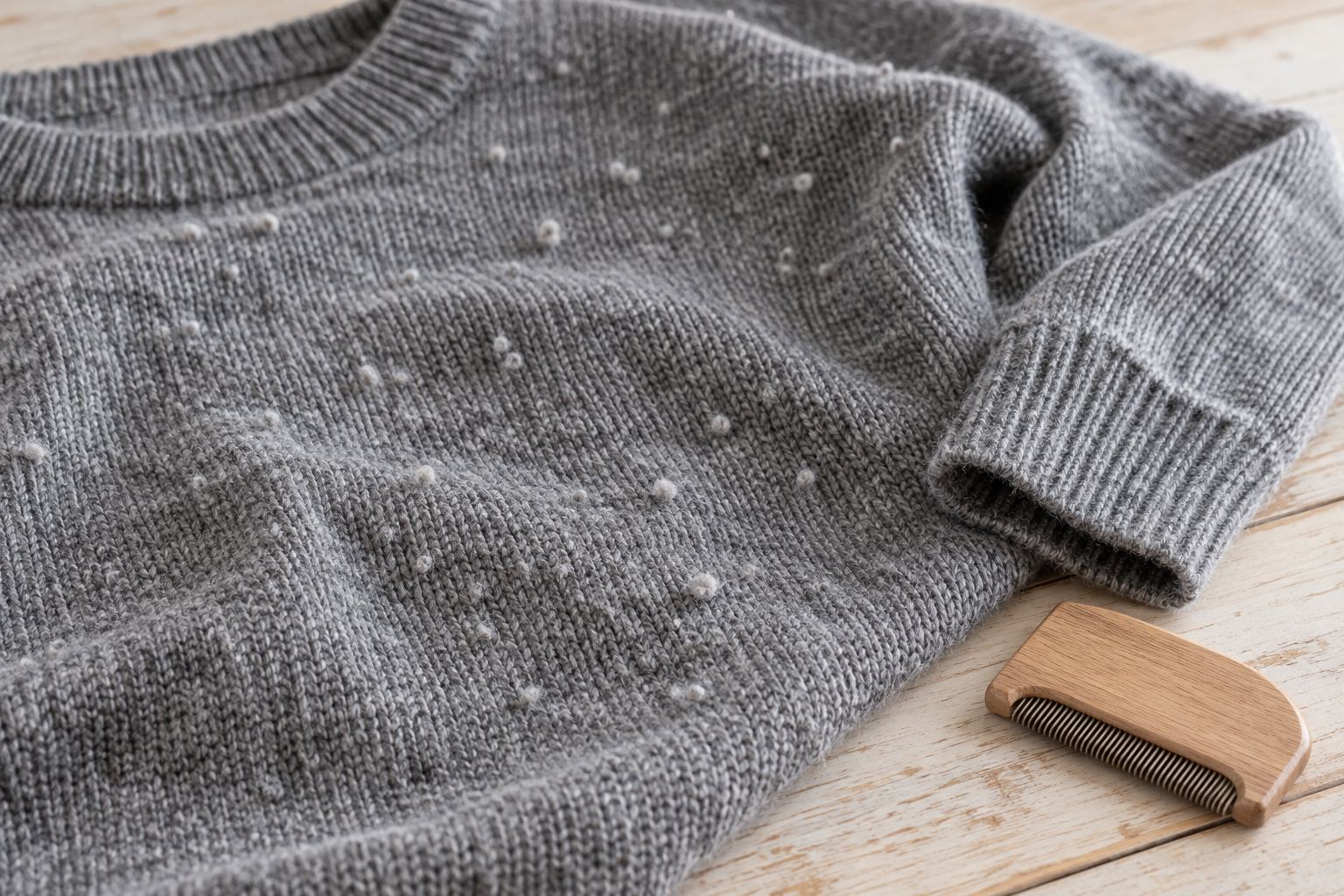
Bobbles often collect where knitwear rubs against itself or another surface. Removing them carefully can tidy a jumper without treating the whole garment as a failure.
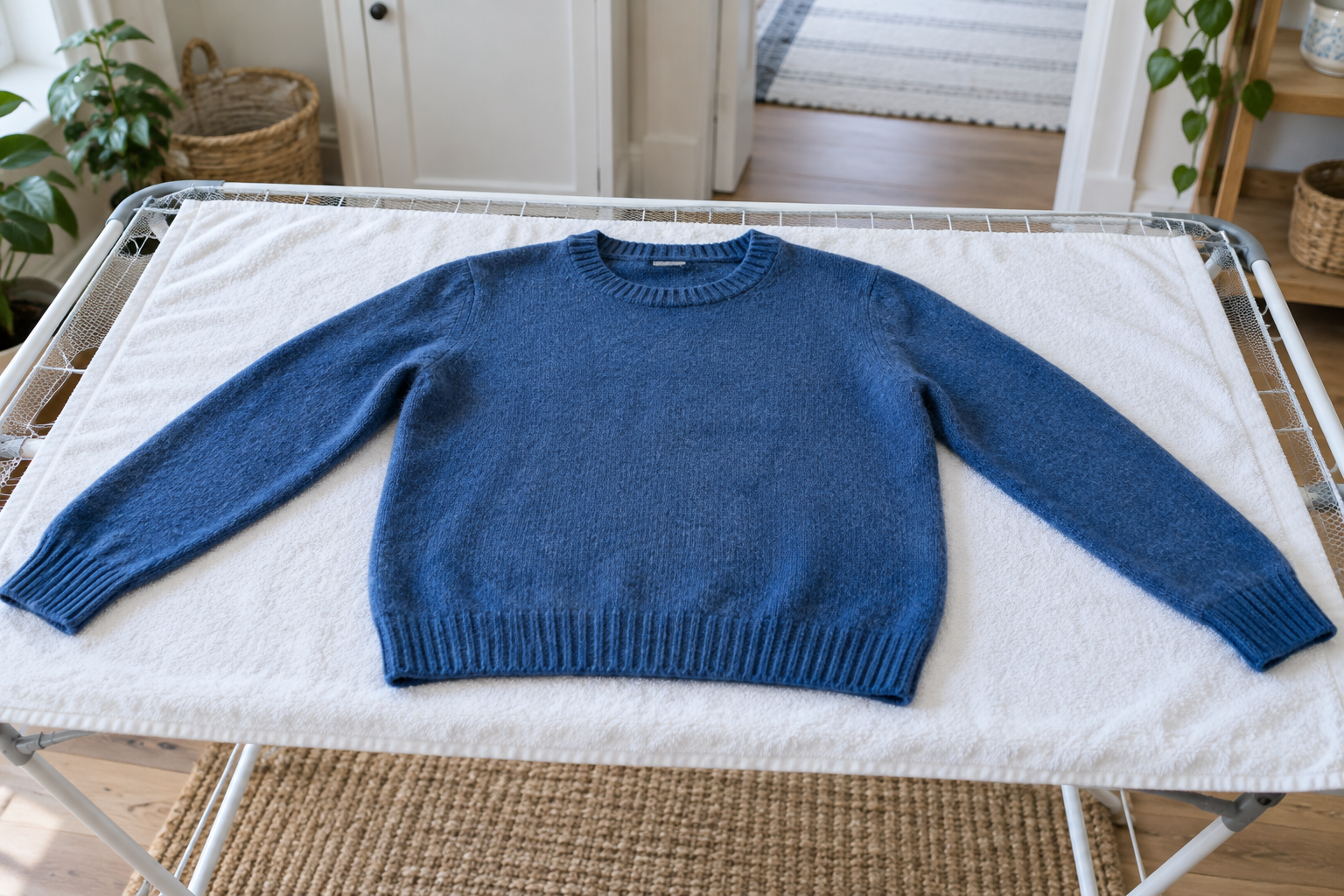
Flat drying becomes much easier when you decide where the wet garment will go before starting the wash. The space needs to support both the fabric and its moisture.
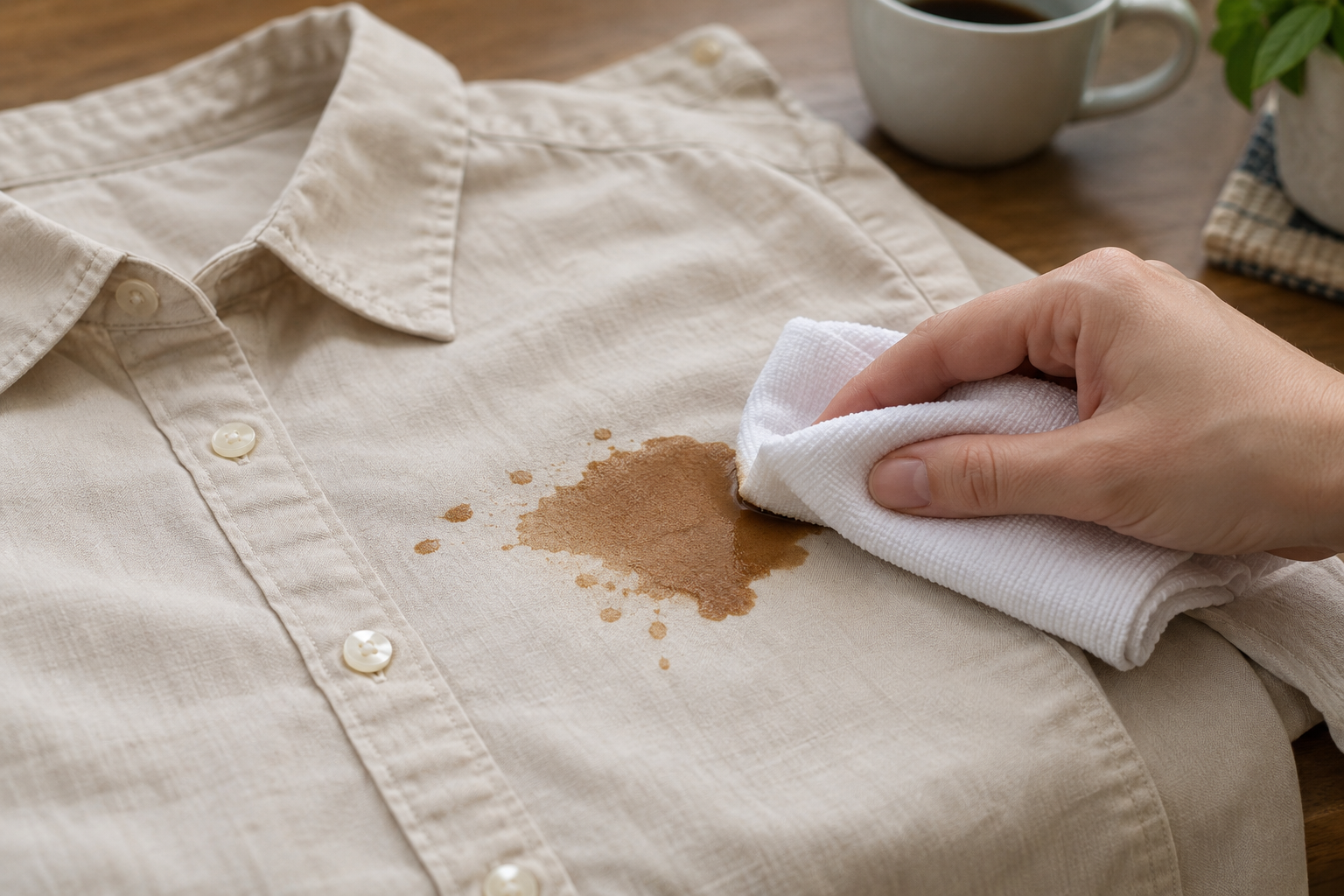
A spill invites a quick reaction, but the wrong treatment can create a second mark. Start by containing the mess and identifying what you are handling.
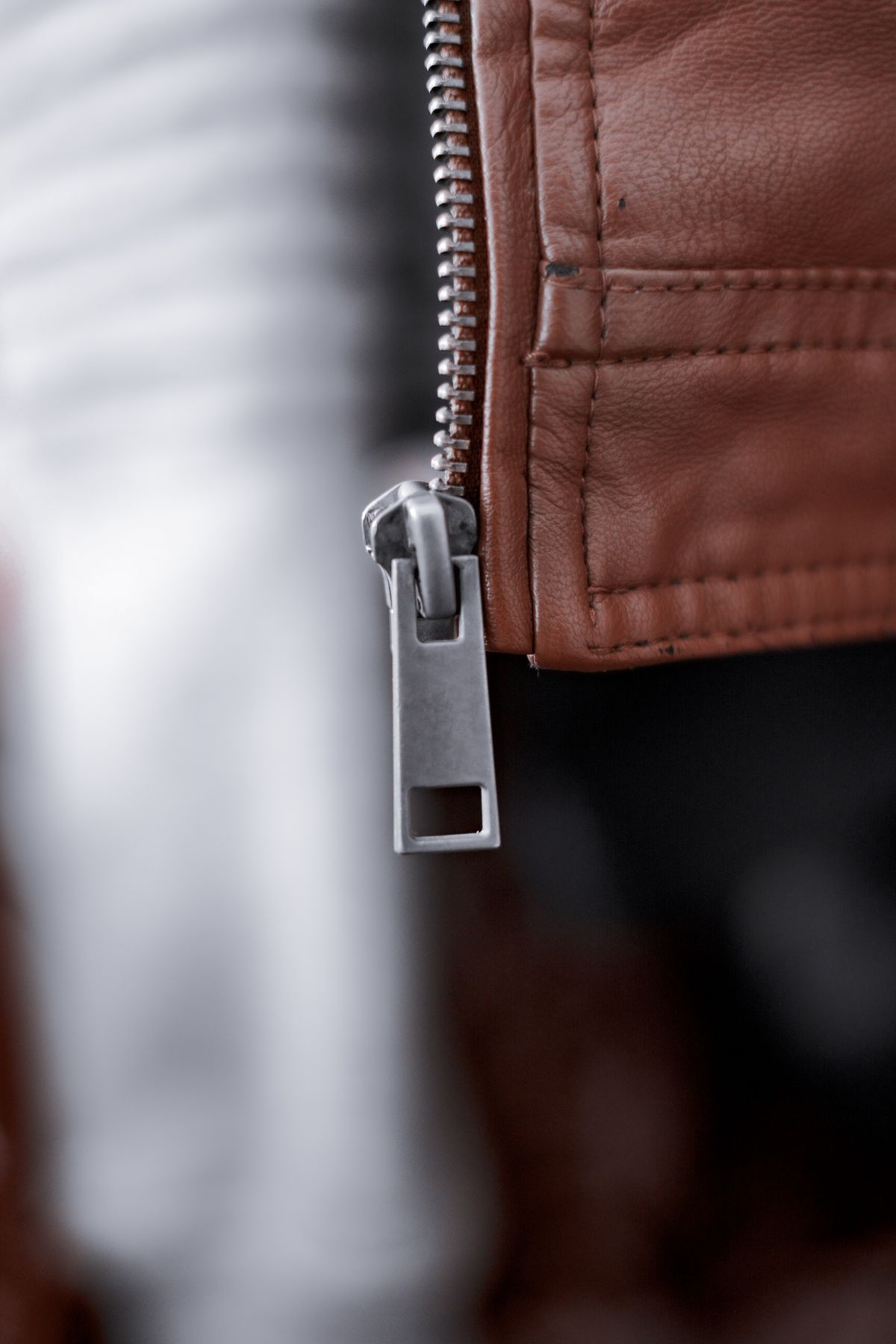
A zip usually benefits from a straight, unhurried movement. When it resists, look for the cause before applying more force.
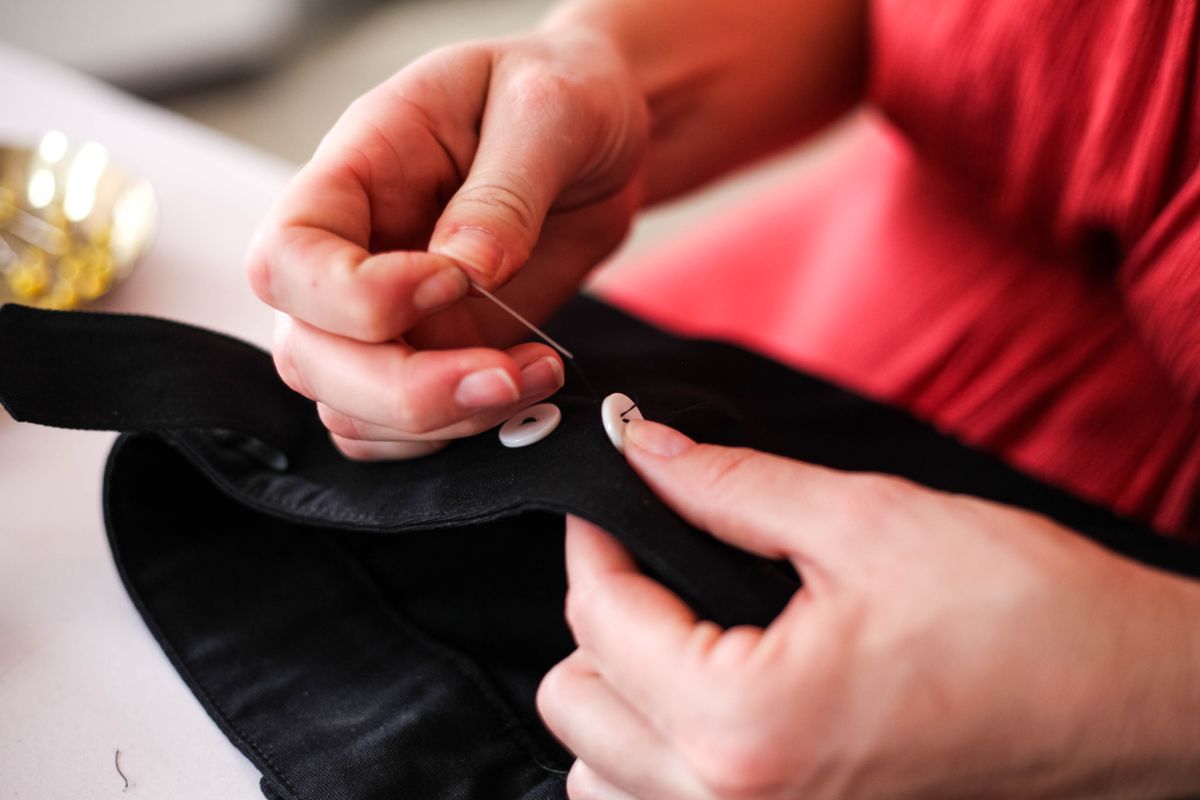
A missing shirt button is a small repair, provided the surrounding fabric is sound. Matching its size and placement matters more than finding a perfectly invisible thread.
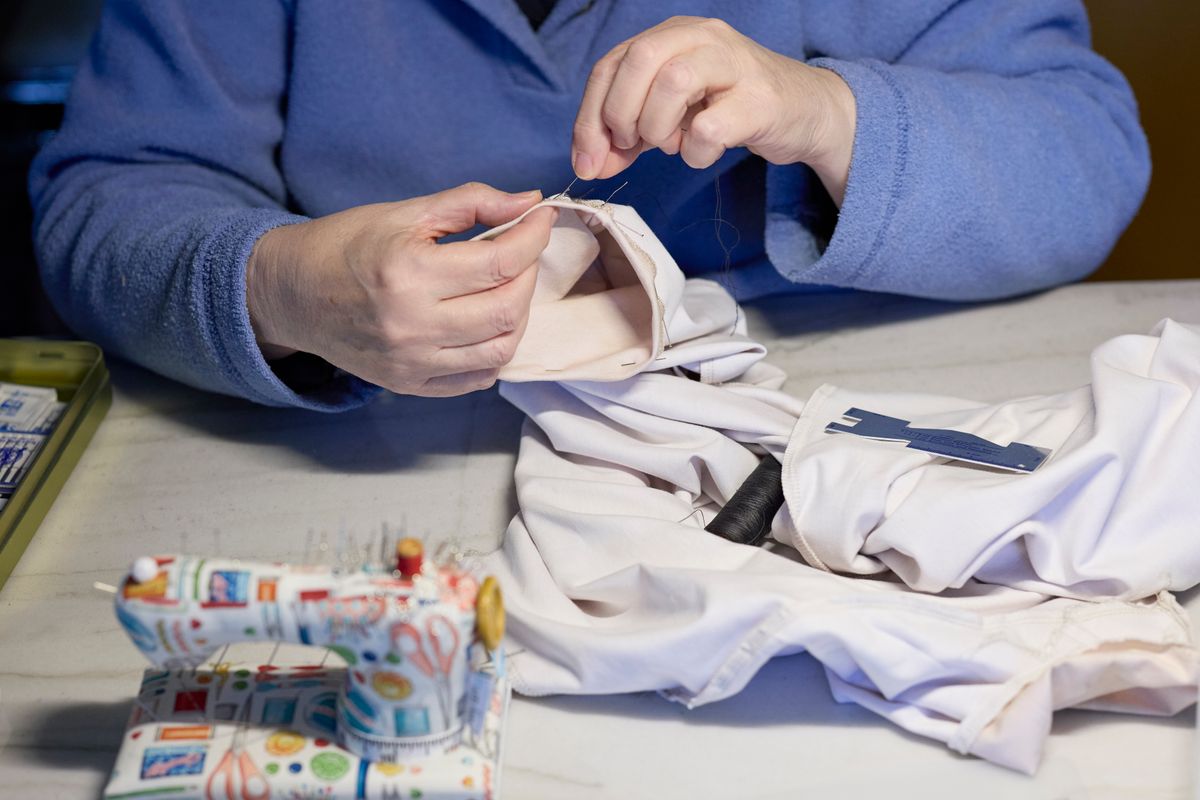
A loose hem is easier to assess while only a short section has come undone. First establish whether the stitches failed or the fabric itself has been damaged.