Start with your normal position
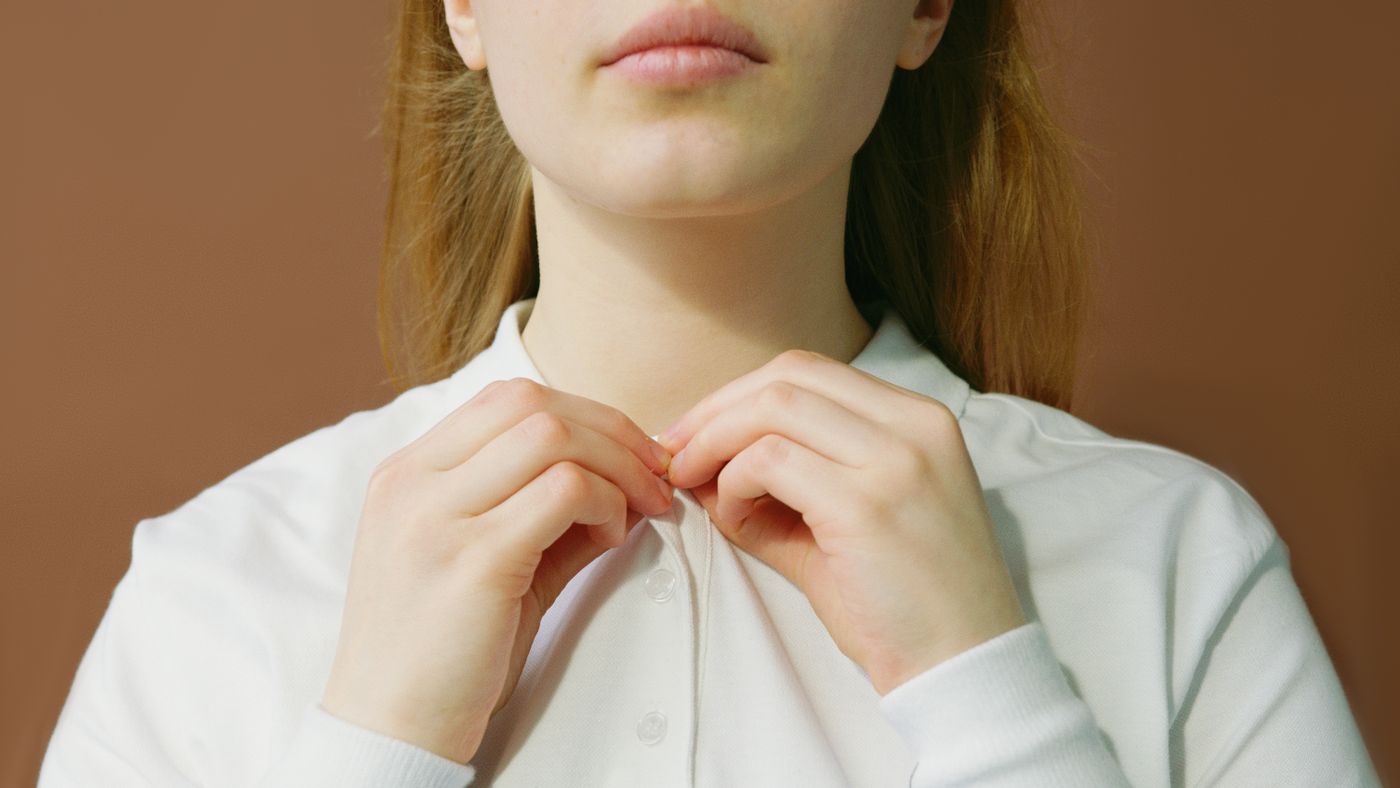
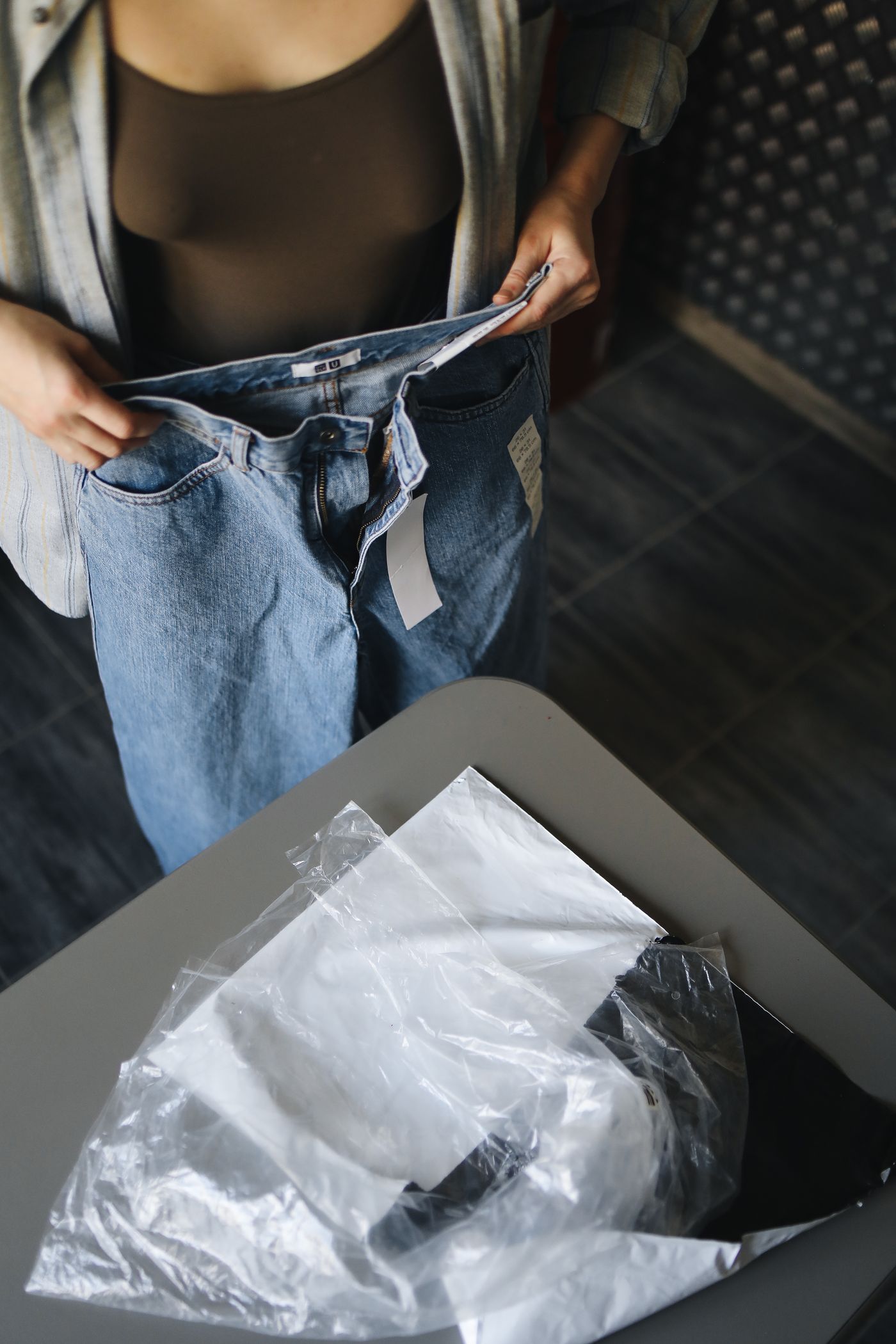
Fasten the trousers where they are designed to sit and let the fabric settle. Check the waist without holding your stomach in or adjusting your posture for the mirror. The waistband should suit how you actually spend the day, whether that means sitting at a desk or moving between errands.
Look at the seat and front as well as the waist. Pulling, gaping or pockets standing open can indicate that a different size or cut would work better. Do not assume every issue can be solved with a belt; it may gather excess fabric without improving the rest of the fit.
Move before deciding
Sit down, take a few steps and bend gently as you normally would. Check whether the waistband digs in, the rise feels uncomfortable or the legs restrict movement. A close fit and a restrictive fit are not necessarily the same thing, but only you can assess comfort in use.
Try the trousers with the kind of shoes you intend to wear. A hem that looks right barefoot may catch beneath a flat shoe or sit differently over a boot. Check both legs and see what happens when you walk rather than judging length from one still pose.
Consider a different cut
If one area fits and another consistently does not, another pattern may be more useful than another size in the same trousers. Compare a different rise, leg shape or waistband construction without treating the label number as a target.
For a possible alteration, ask what can realistically be changed and at what cost before buying. A straightforward hem adjustment is different from changing the rise or rebuilding pockets. Buy trousers whose main structure already works, then decide whether a small finishing adjustment is worthwhile.