Shoes & finishing touches
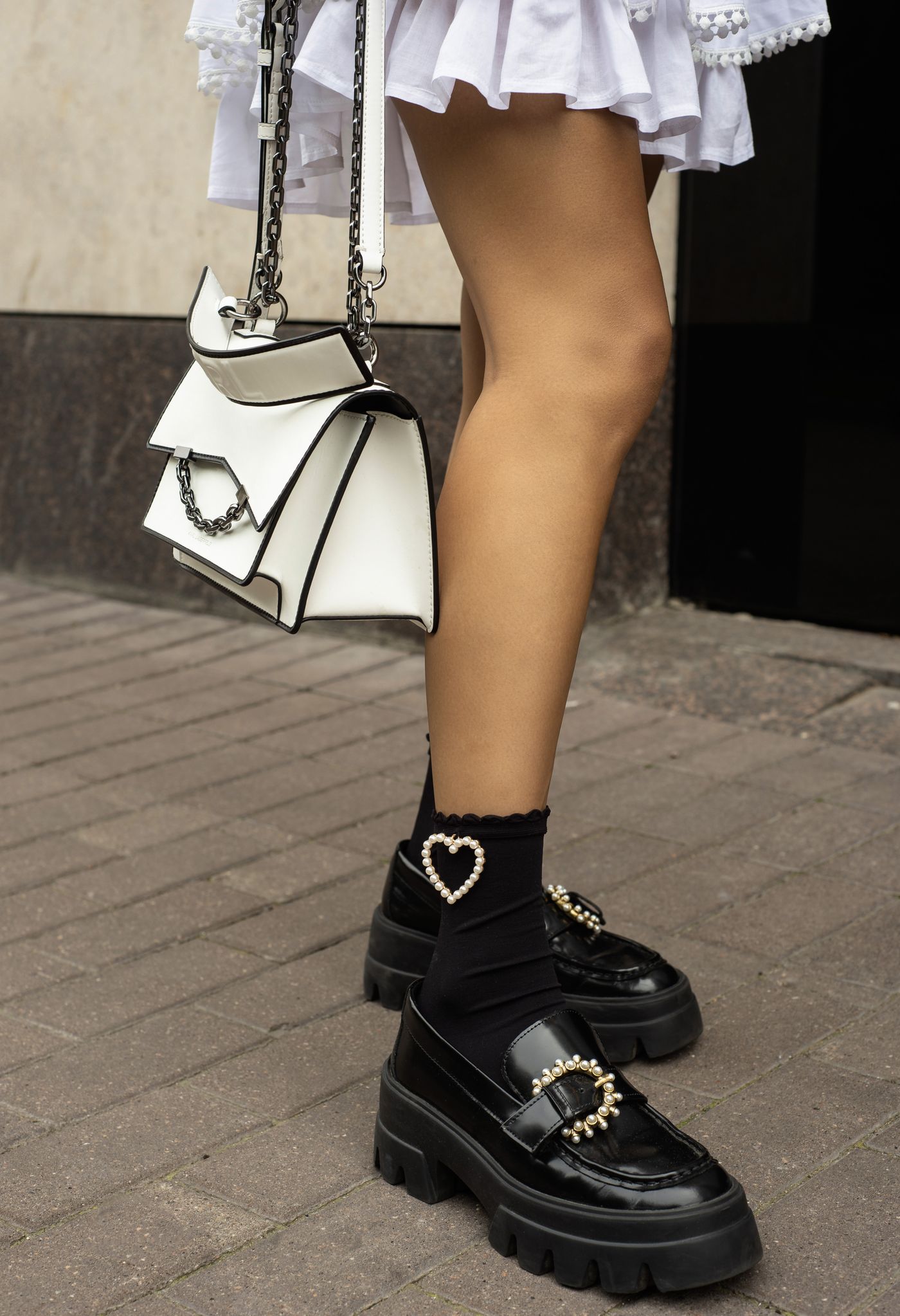
Trying loafers with trousers, skirts and dresses
Loafers can sit between very casual trainers and more formal shoes. The useful pair is the one that feels secure on your foot and works with the hems you already wear.
The wardrobe journal
Shoes, bags and small finishing touches that work with your outfit and your plans.
Shoes & finishing touches
Loafers can sit between very casual trainers and more formal shoes. The useful pair is the one that feels secure on your foot and works with the hems you already wear.
Shoes & finishing touches
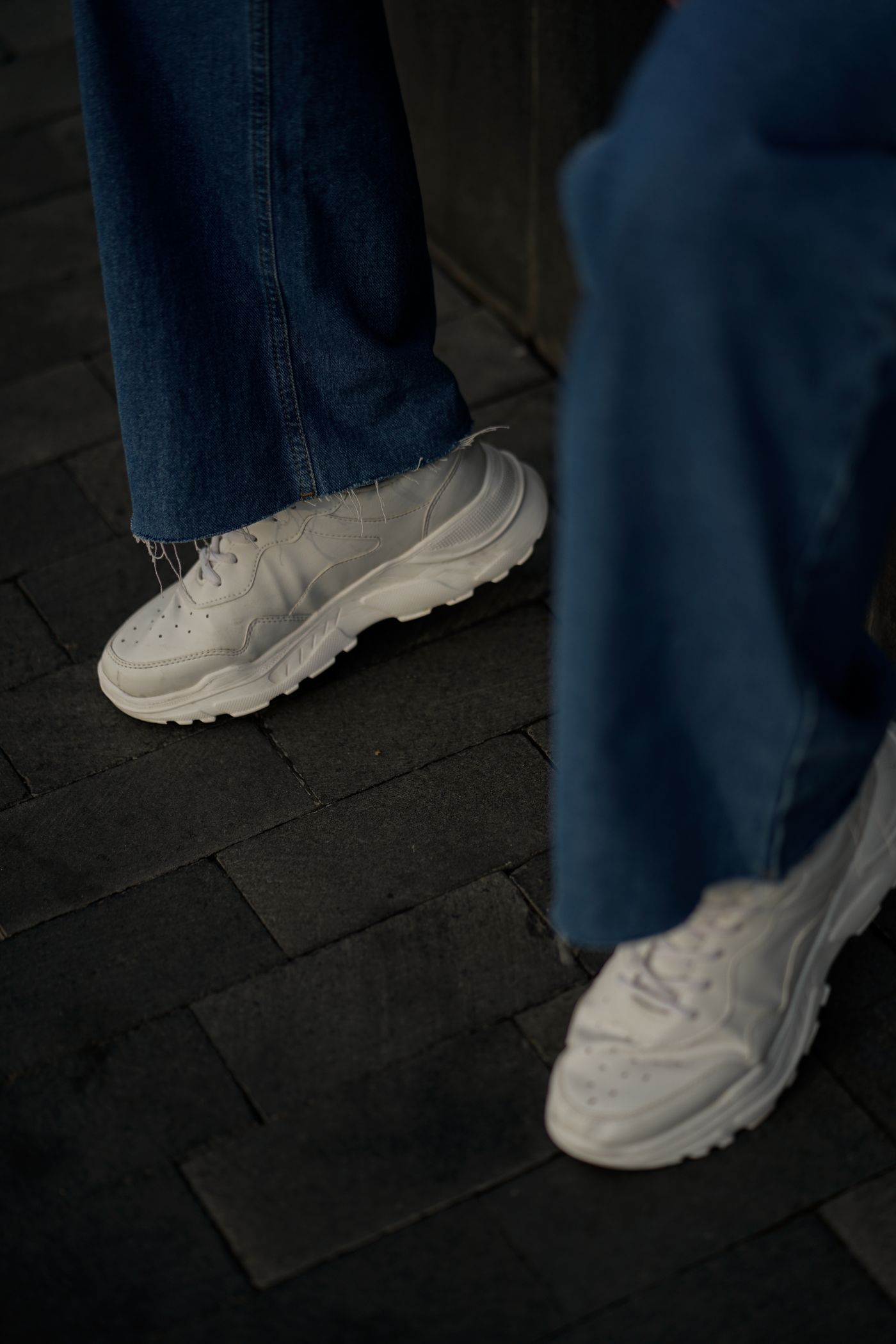
White trainers can connect many casual outfits, but the shape of the shoe matters as much as the colour. Start with the pair you actually find comfortable.
Shoes & finishing touches
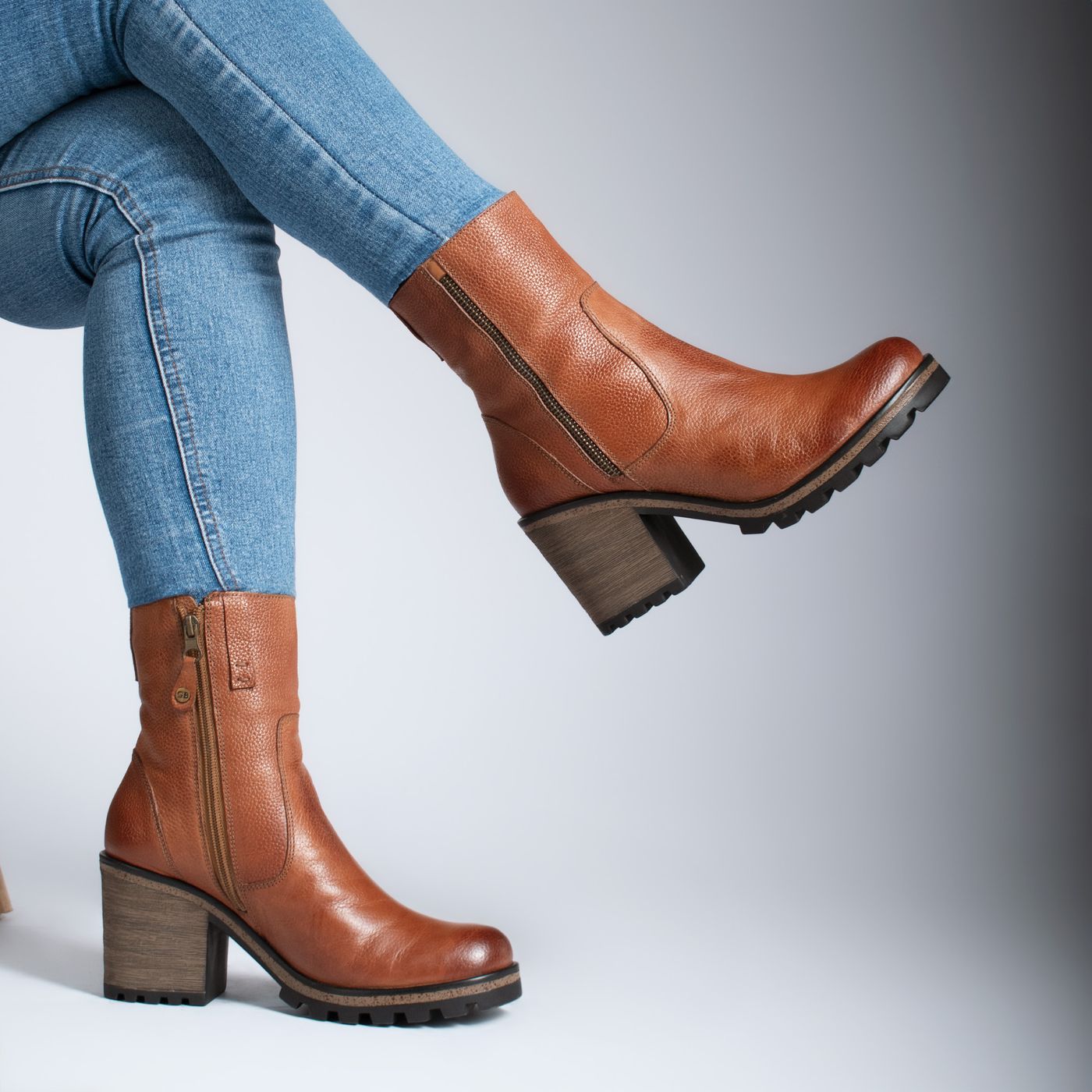
The join between an ankle boot and a trouser hem can make an outfit easy or irritating. A short walk usually tells you more than a long look in the mirror.
Shoes & finishing touches
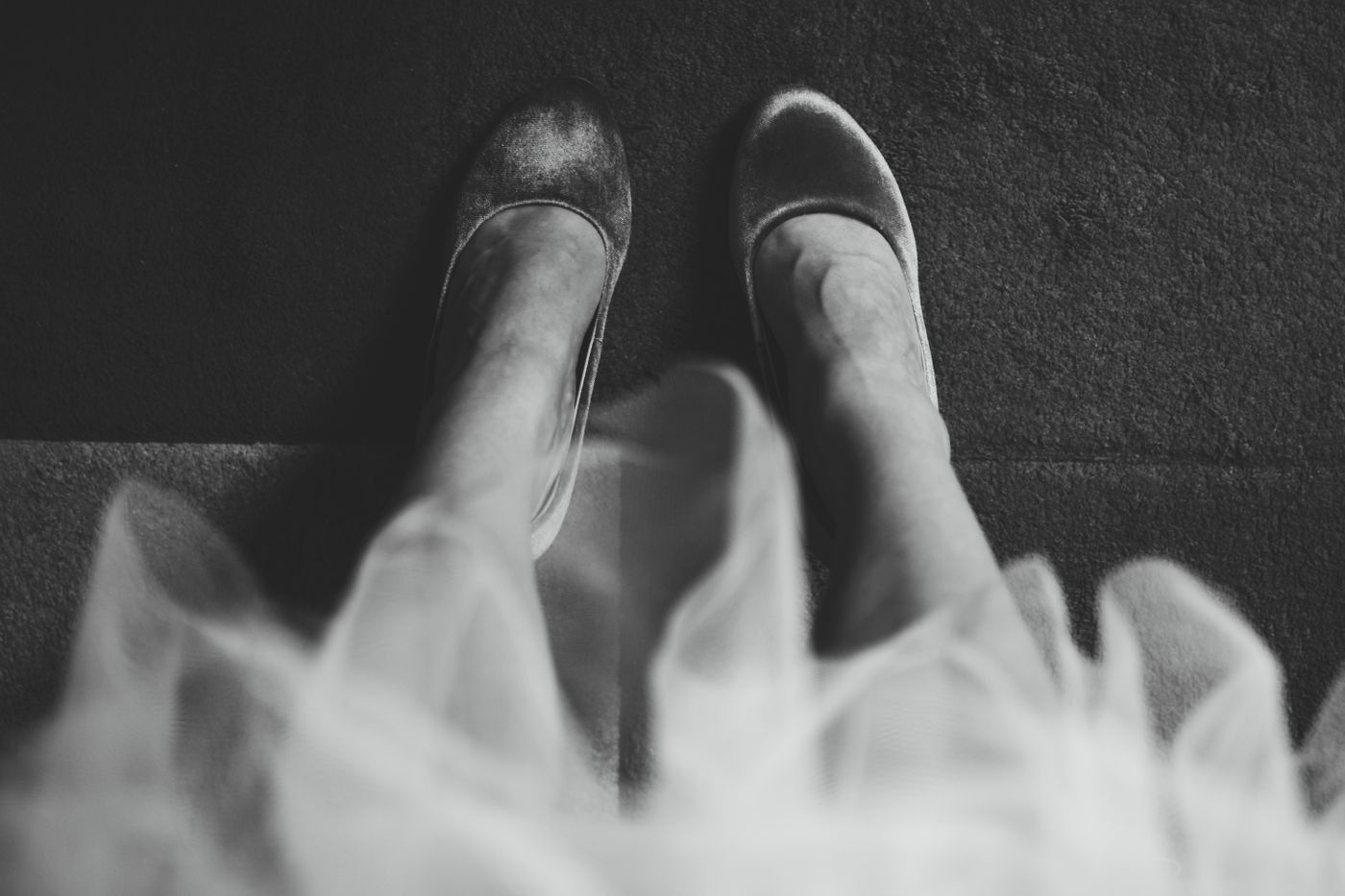
Ballet flats can be a light alternative to heavier shoes. Choose the fit and sole for your day before deciding how delicate the rest of the outfit should look.
Shoes & finishing touches
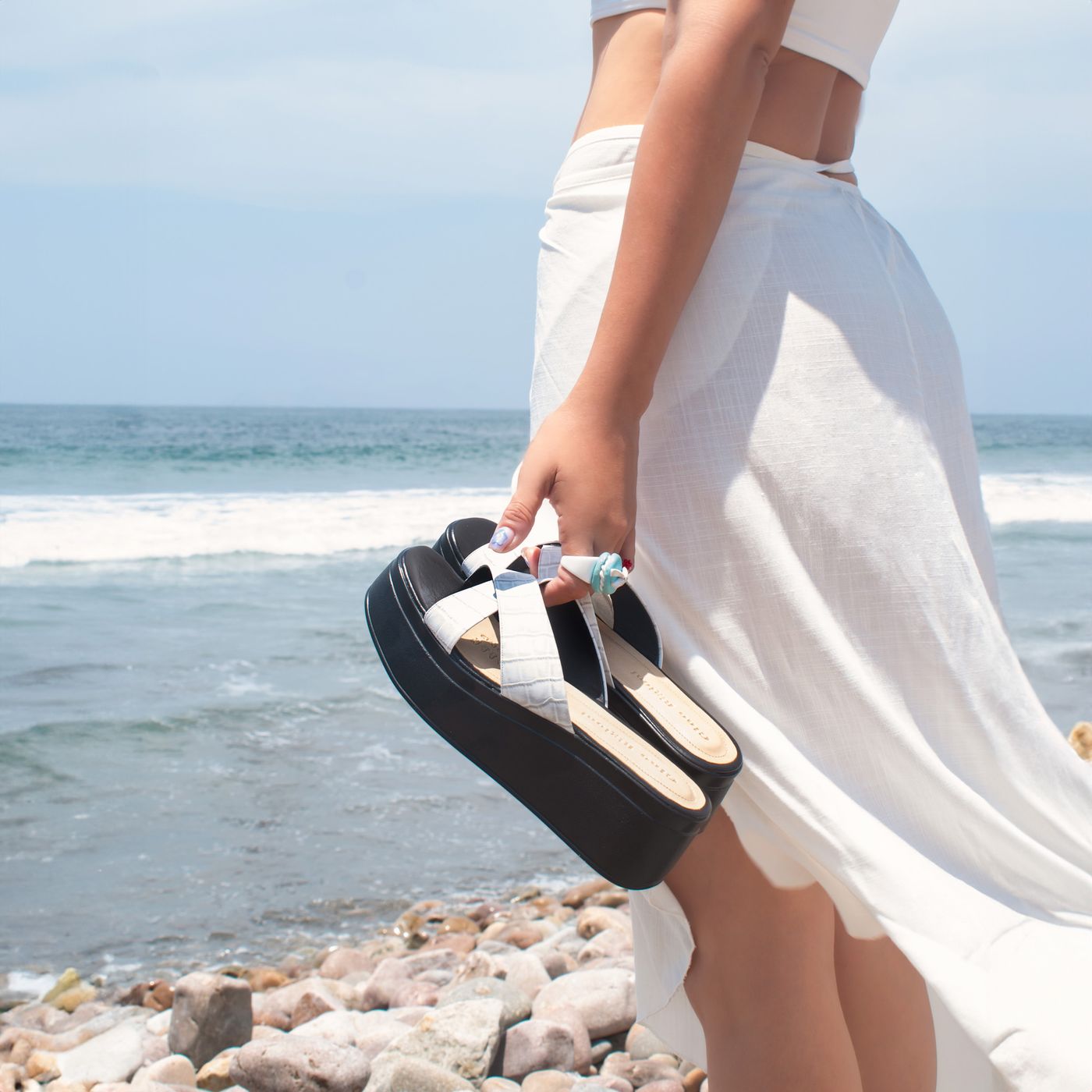
A sandal for a day on foot needs more than a pleasant colour. Test how it stays attached to your foot and how it behaves with the clothes and route you have planned.
Shoes & finishing touches
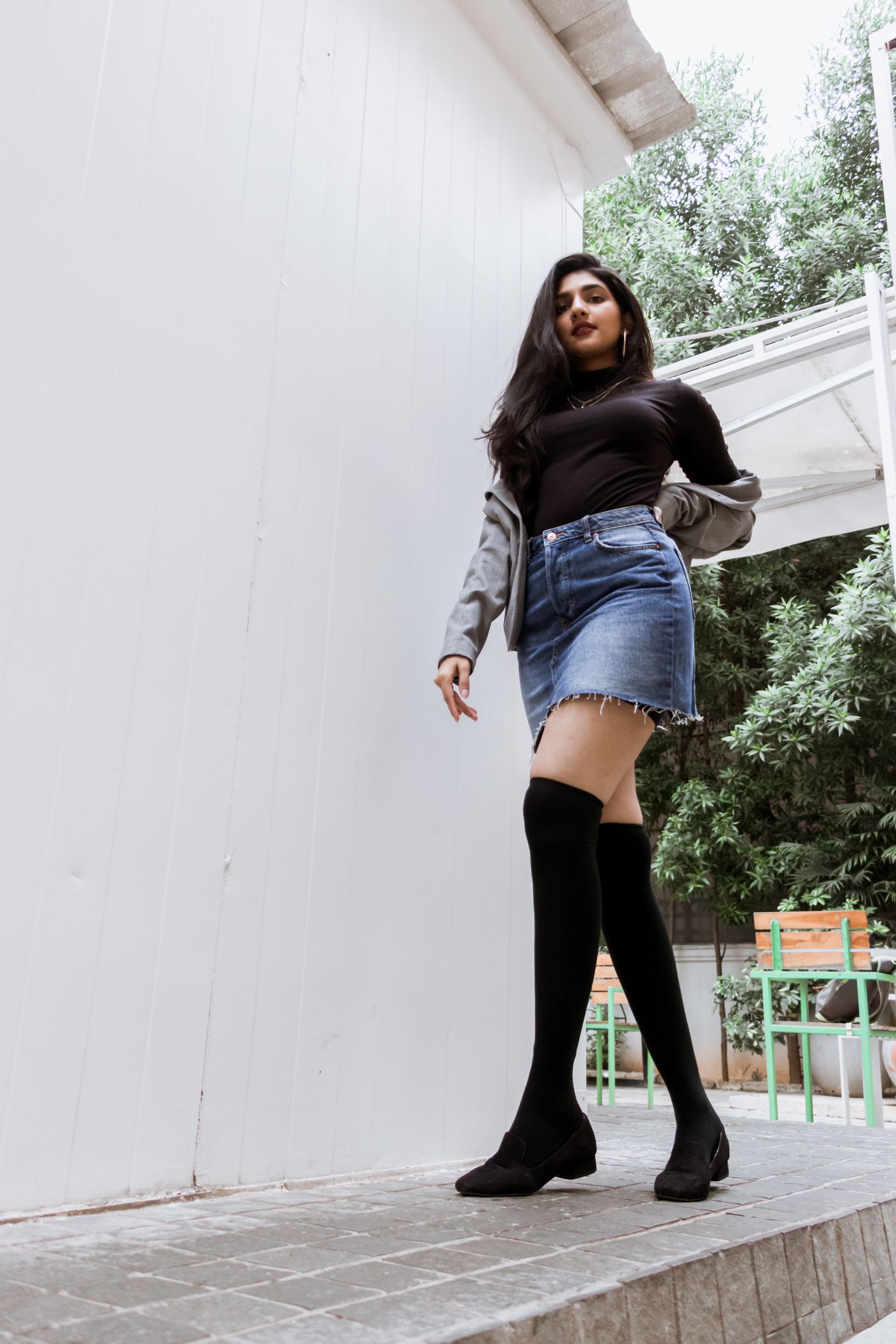
Tall boots can make a skirt useful in cooler weather. The space around the calf and the way the skirt moves over the boot are the first things to check.

Shoes & finishing touches
A belt can mark a waistband or gather a loose layer. Its width should suit the garment and the way you move, rather than follow a fixed rule about body shape.
Shoes & finishing touches
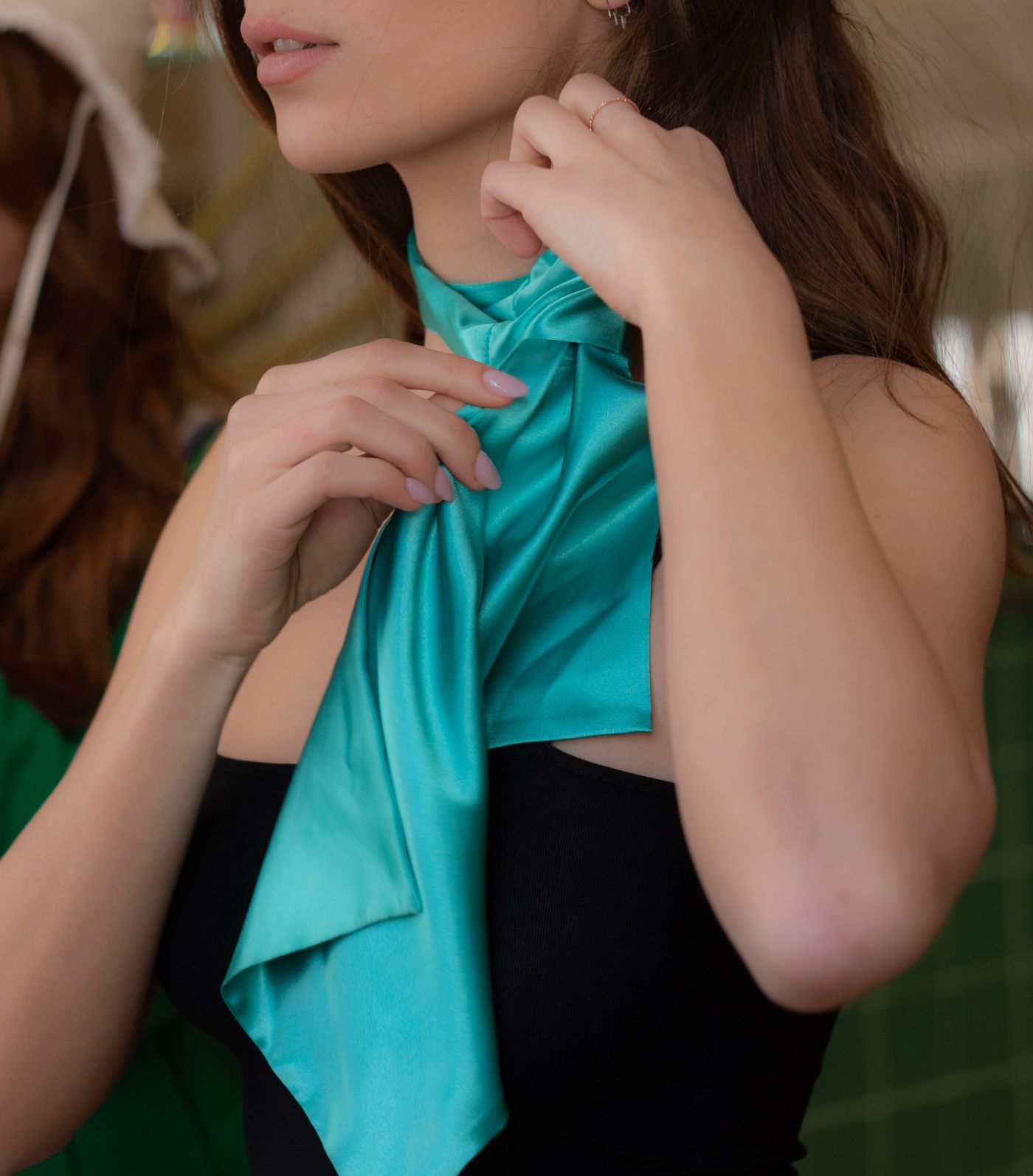
A small silk scarf can add colour without becoming the largest part of an outfit. Try one use at a time and choose a knot that feels comfortable rather than elaborate.

Shoes & finishing touches
A winter scarf should work with your coat fastened as well as open. Warmth, bulk and the position of the collar matter more than the complexity of the knot.
Shoes & finishing touches
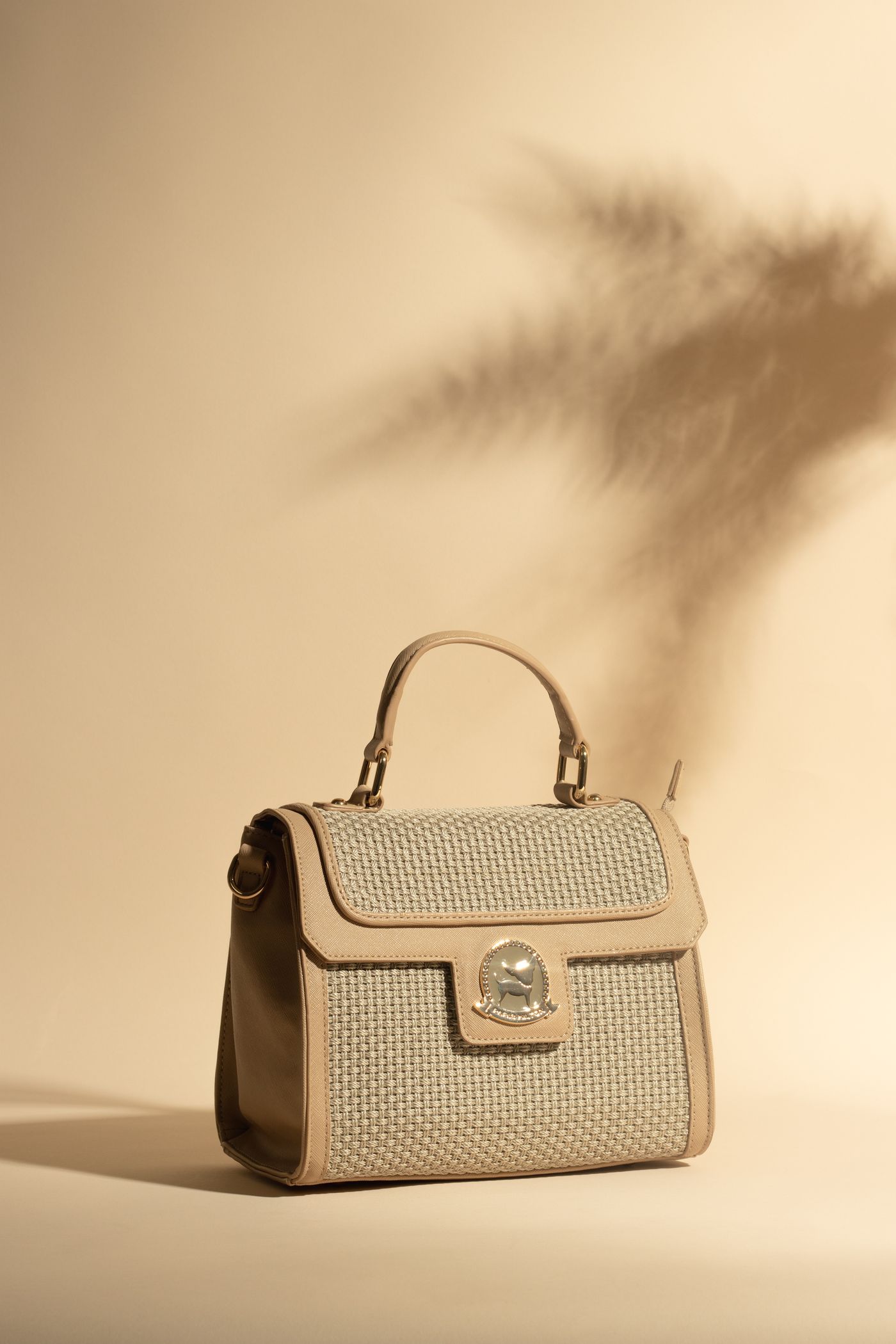
An everyday bag is useful when its opening, straps and pockets suit the things you carry. Begin with those items rather than an empty bag on a shelf.

Shoes & finishing touches
A crossbody bag changes position as you walk, sit and put on layers. Adjust it for the clothes and contents you are actually carrying, not just for a photograph.
Shoes & finishing touches
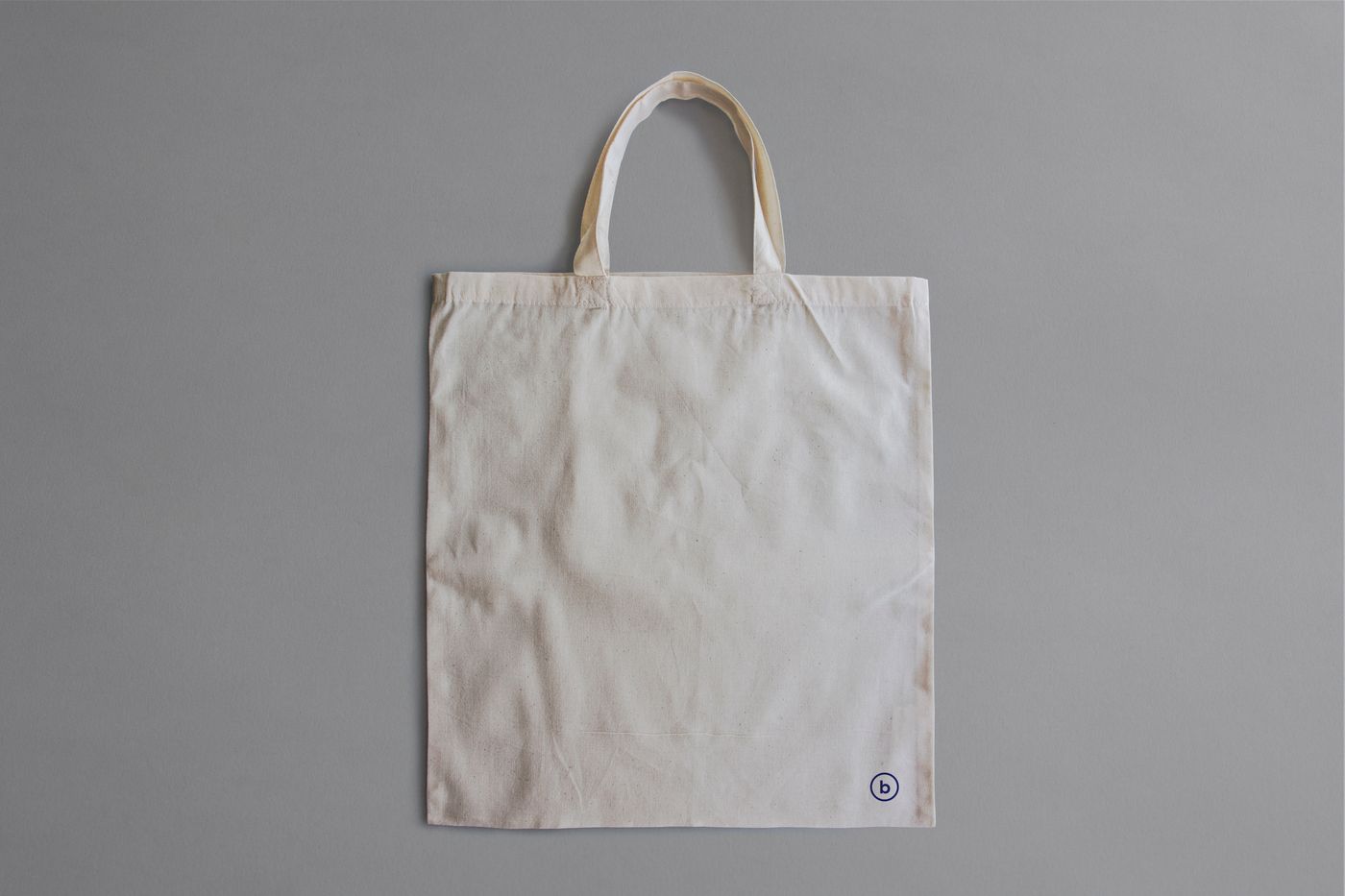
A work tote needs to carry your actual working day. Check the opening, the weight and the journey before choosing one by its outside dimensions.

Shoes & finishing touches
A small evening bag works best when you decide what must fit before choosing the outfit around it. The rigid shape of a phone often matters more than the number of pockets.
Shoes & finishing touches
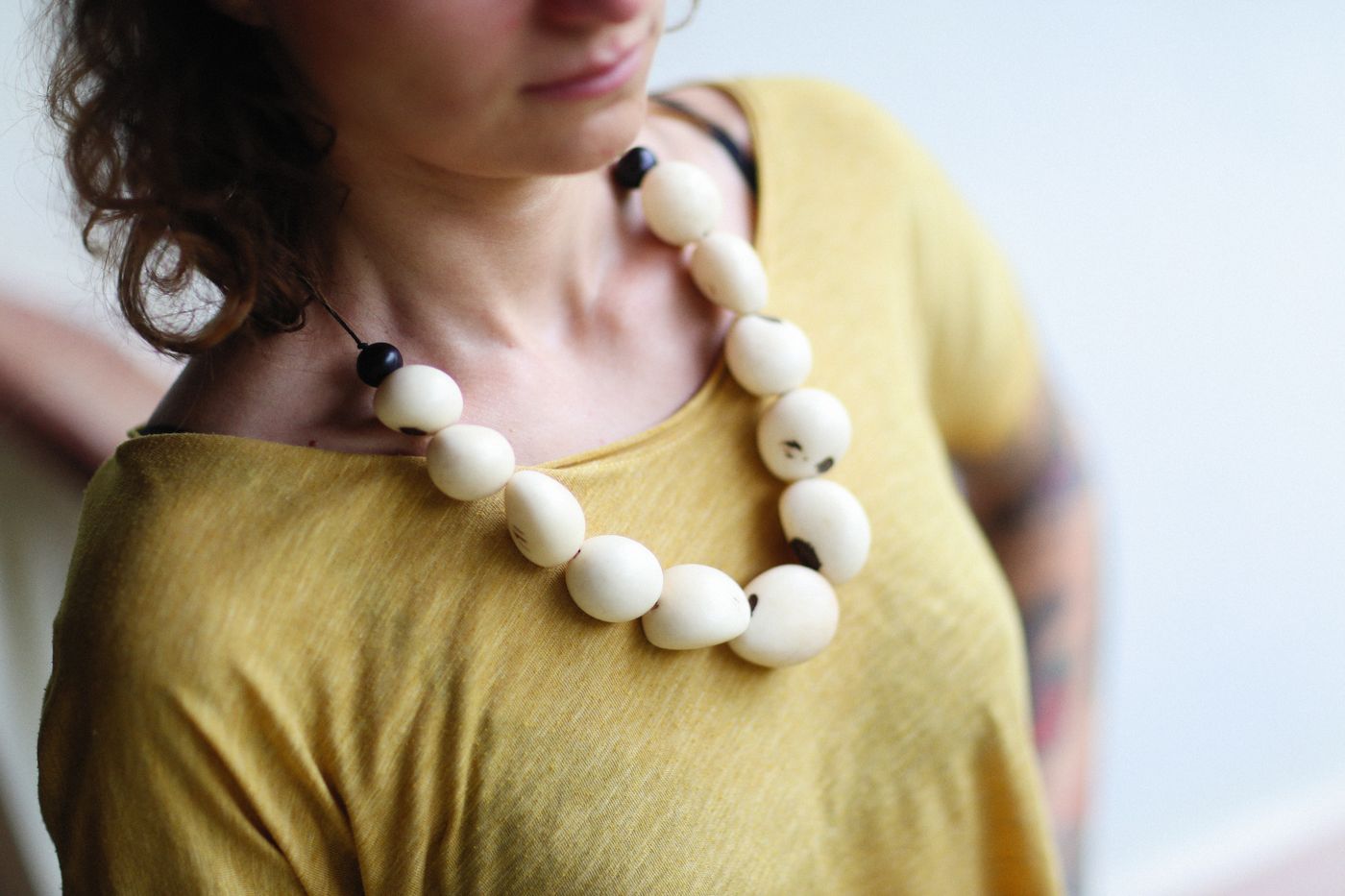
A necklace can follow a neckline or sit clearly apart from it. Try the actual pieces together: a small difference in length can change where a pendant lands.
Shoes & finishing touches
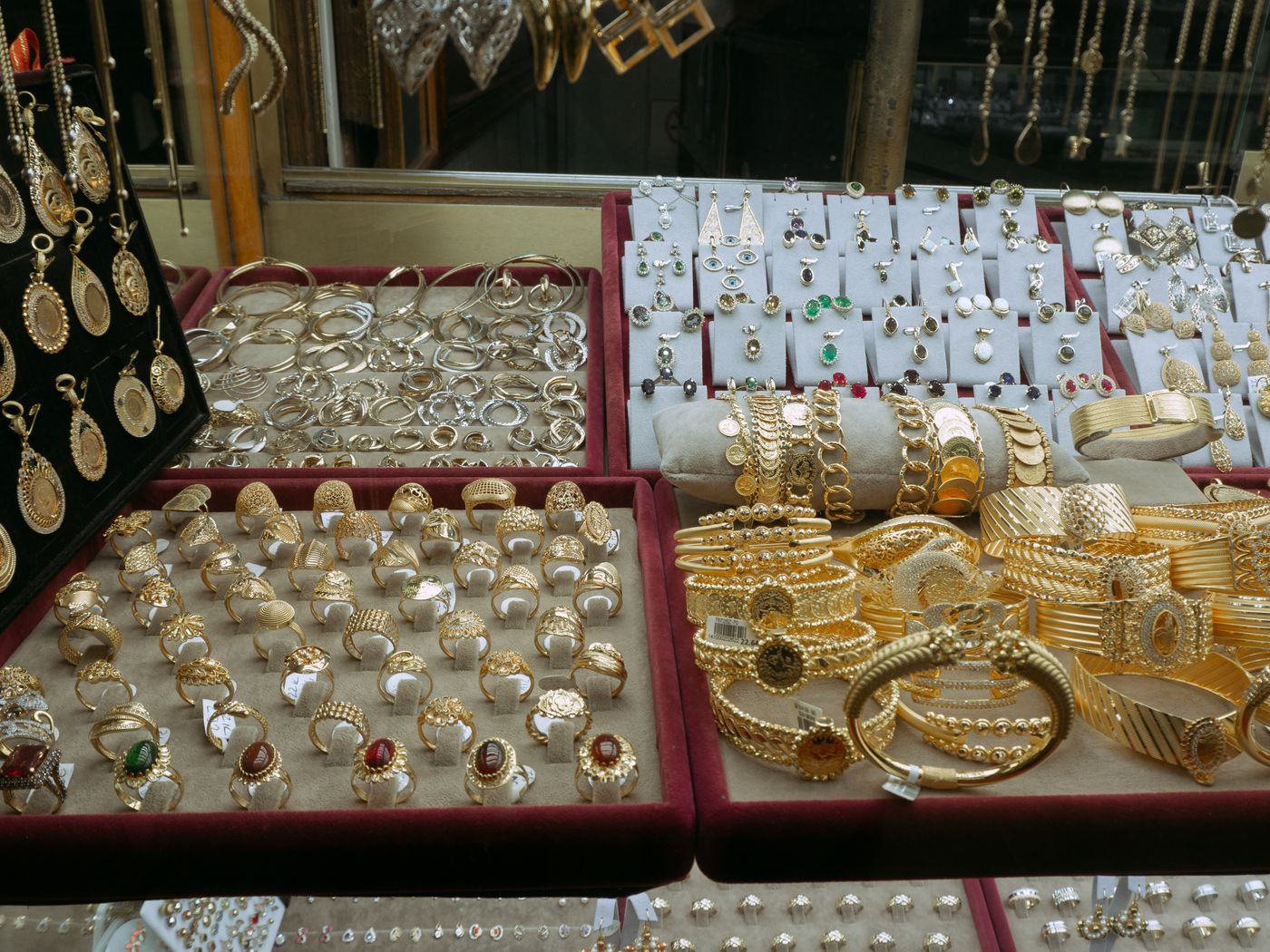
Gold-coloured and silver-coloured jewellery can be worn together. Begin with the pieces you like and look for a connection in scale, shape or repetition.

Shoes & finishing touches
Glasses already create a visible shape near your face. Earrings can echo that shape, contrast with it or remain a small detail in the background.
Shoes & finishing touches
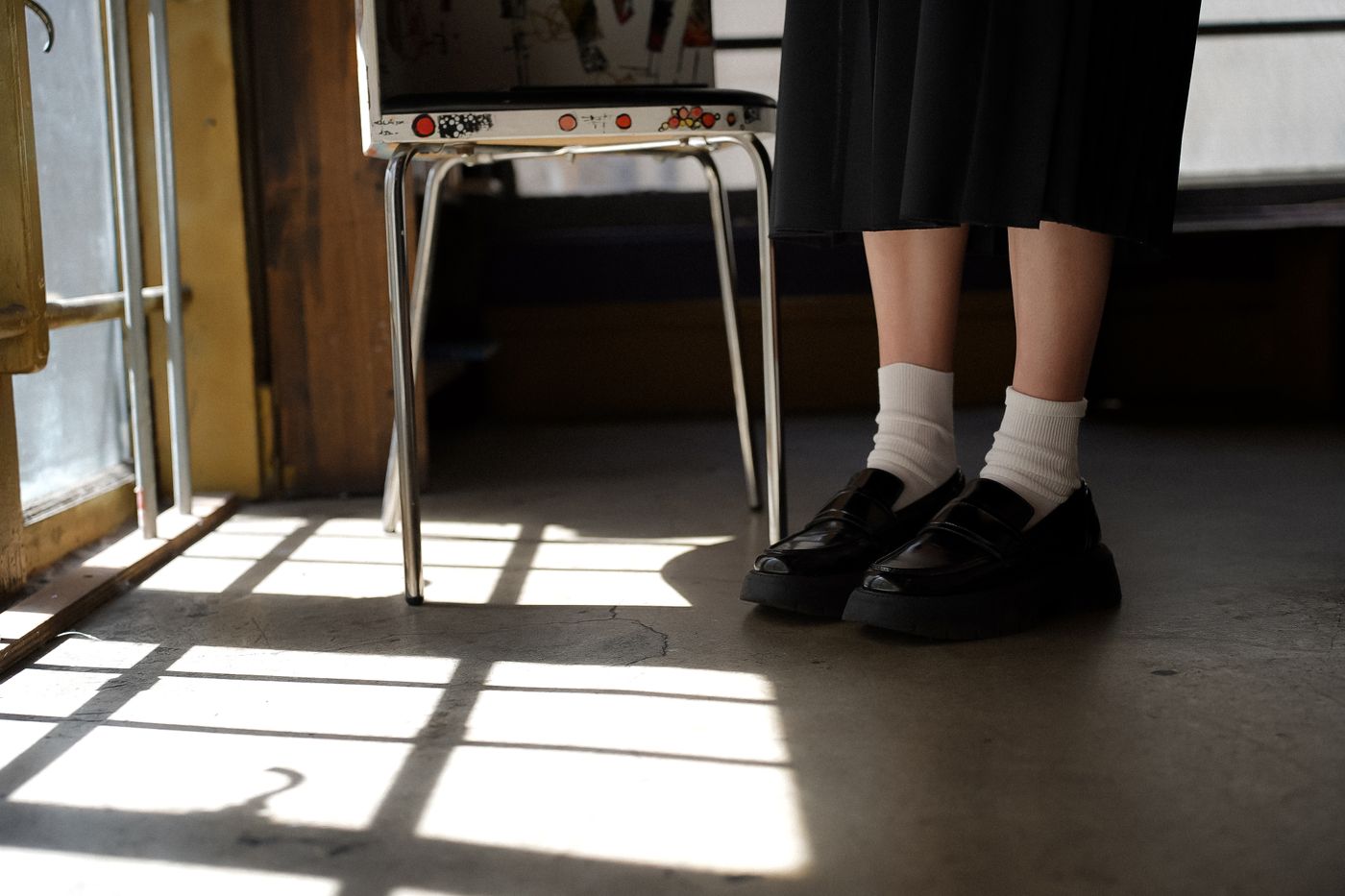
Visible socks can be part of an outfit rather than something to hide. Their thickness and height need to work with the shoe before you think about colour.
Shoes & finishing touches
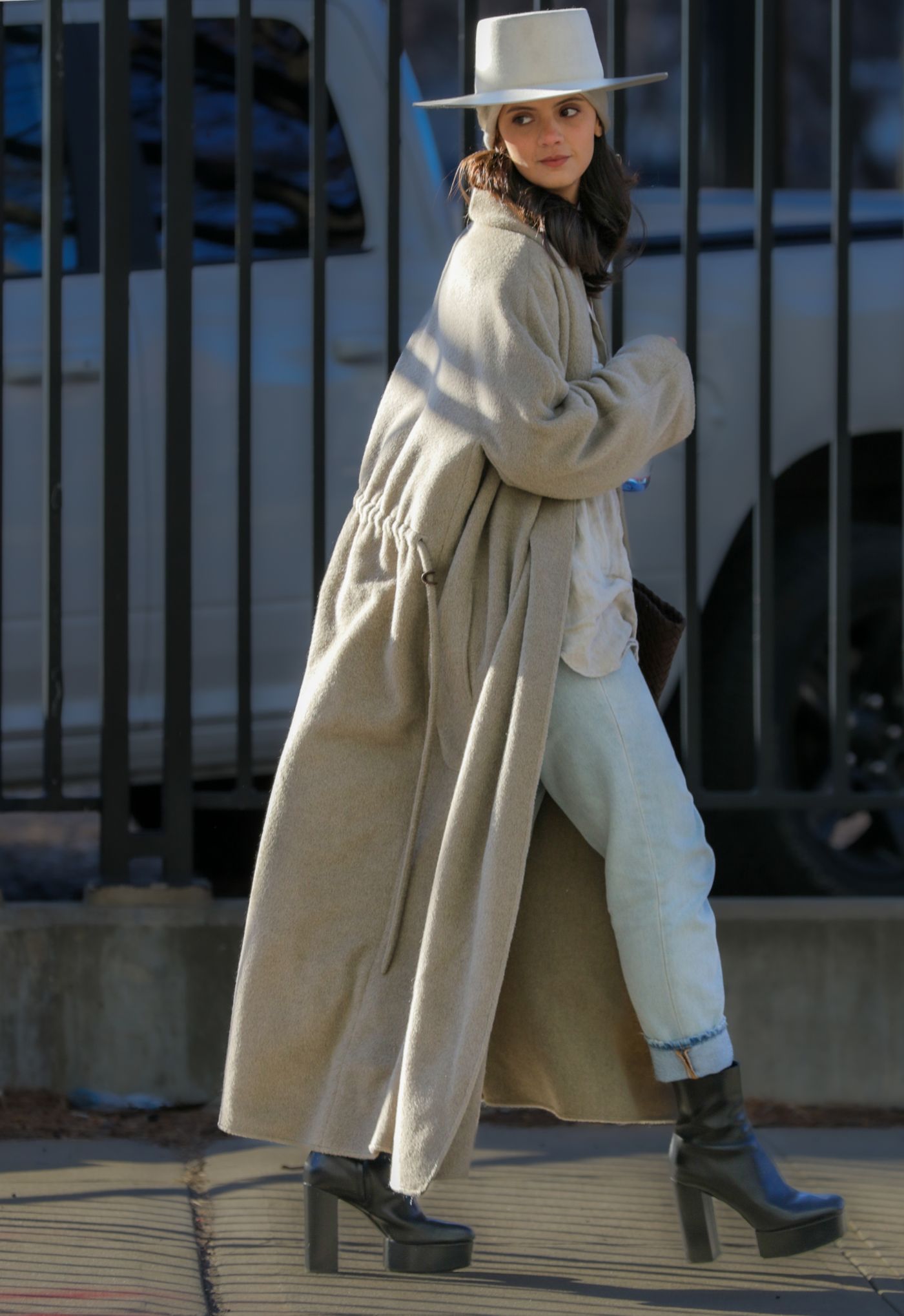
A hat and coat share the most visible part of a winter outfit. Try them together with the scarf and bag you will actually use before deciding that either piece is wrong.

Shoes & finishing touches
An umbrella, a bag and a coat have to work together on a wet day. A few checks before leaving can save you from carrying damp things awkwardly for the rest of the journey.
Shoes & finishing touches
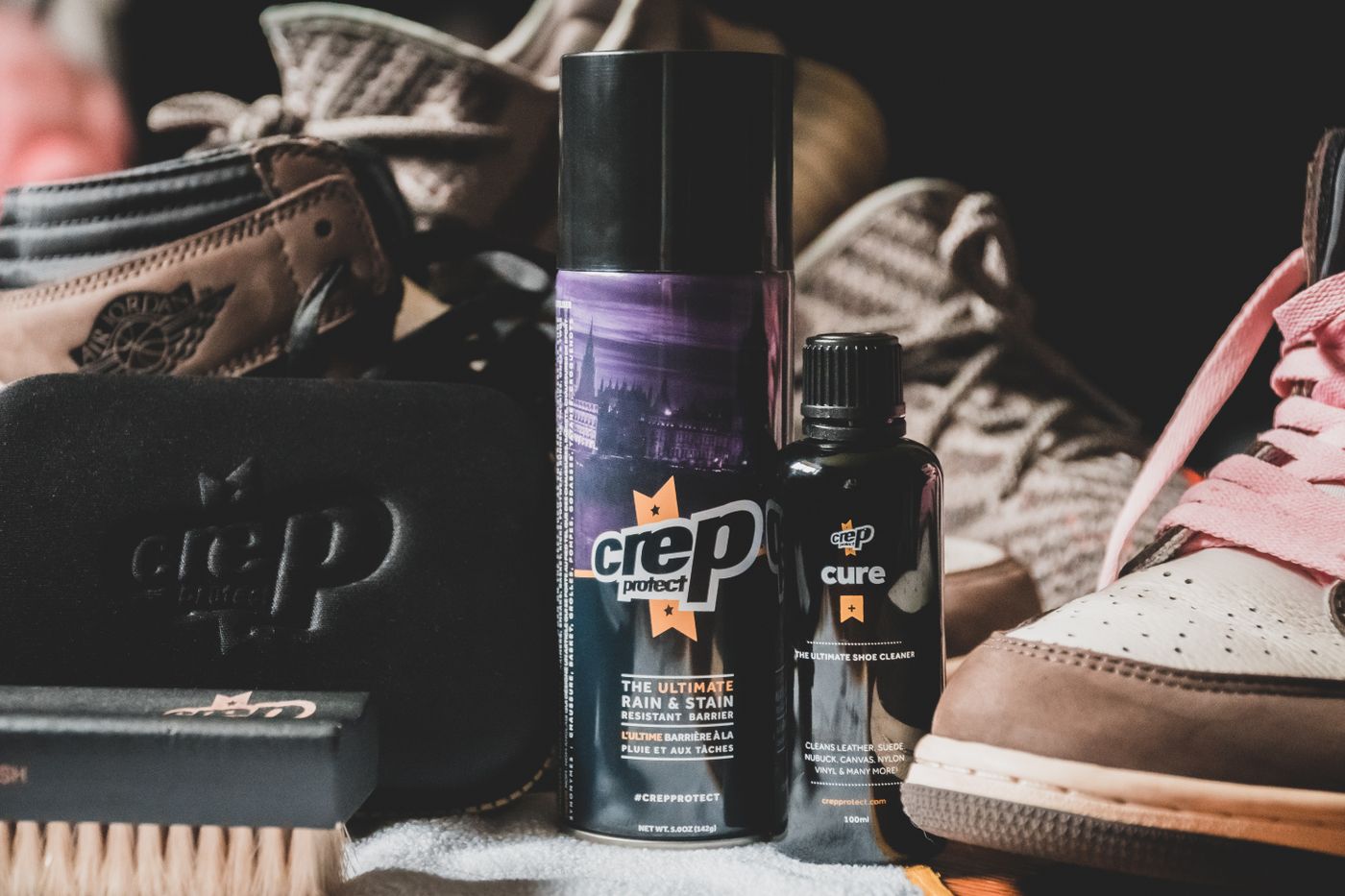
A small shoe-care kit is most useful when it matches the shoes you own. Several targeted tools are better than a cupboard of products with unclear jobs.
Shoes & finishing touches
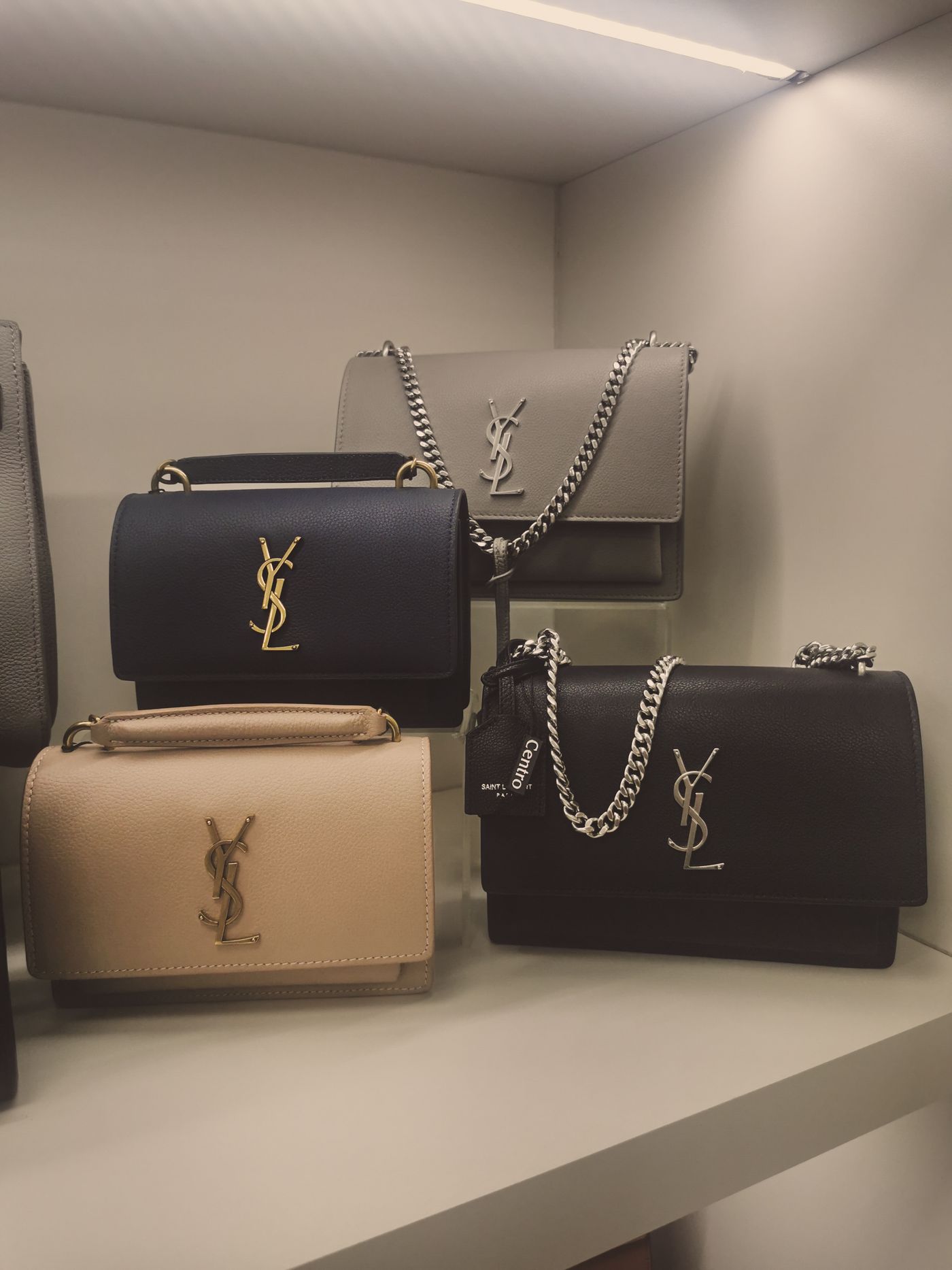
Bags keep their shape more easily when storage supports them without pressure. Start by removing what is inside, then choose a place that suits the material and construction.