Start with the trousers you use most
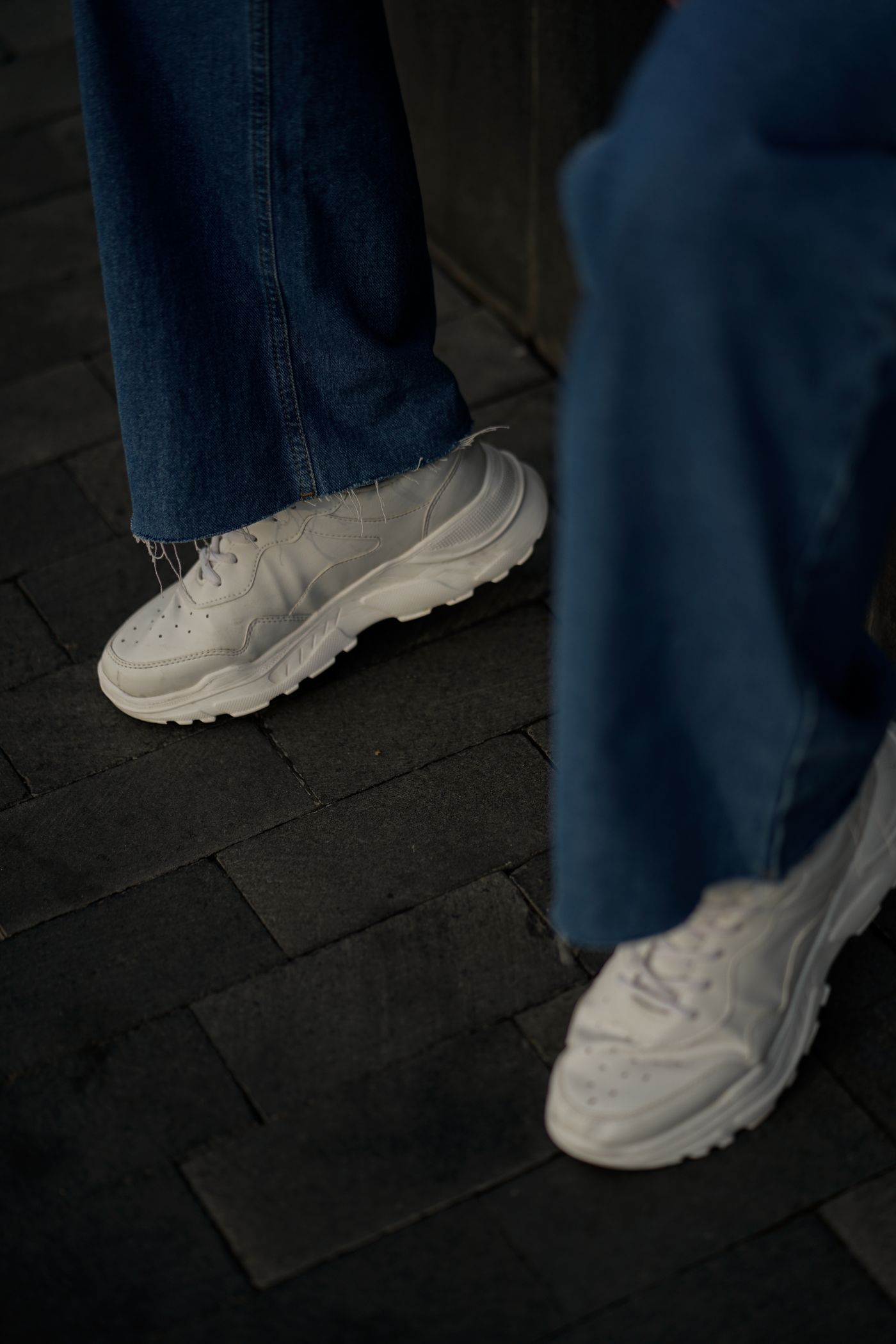
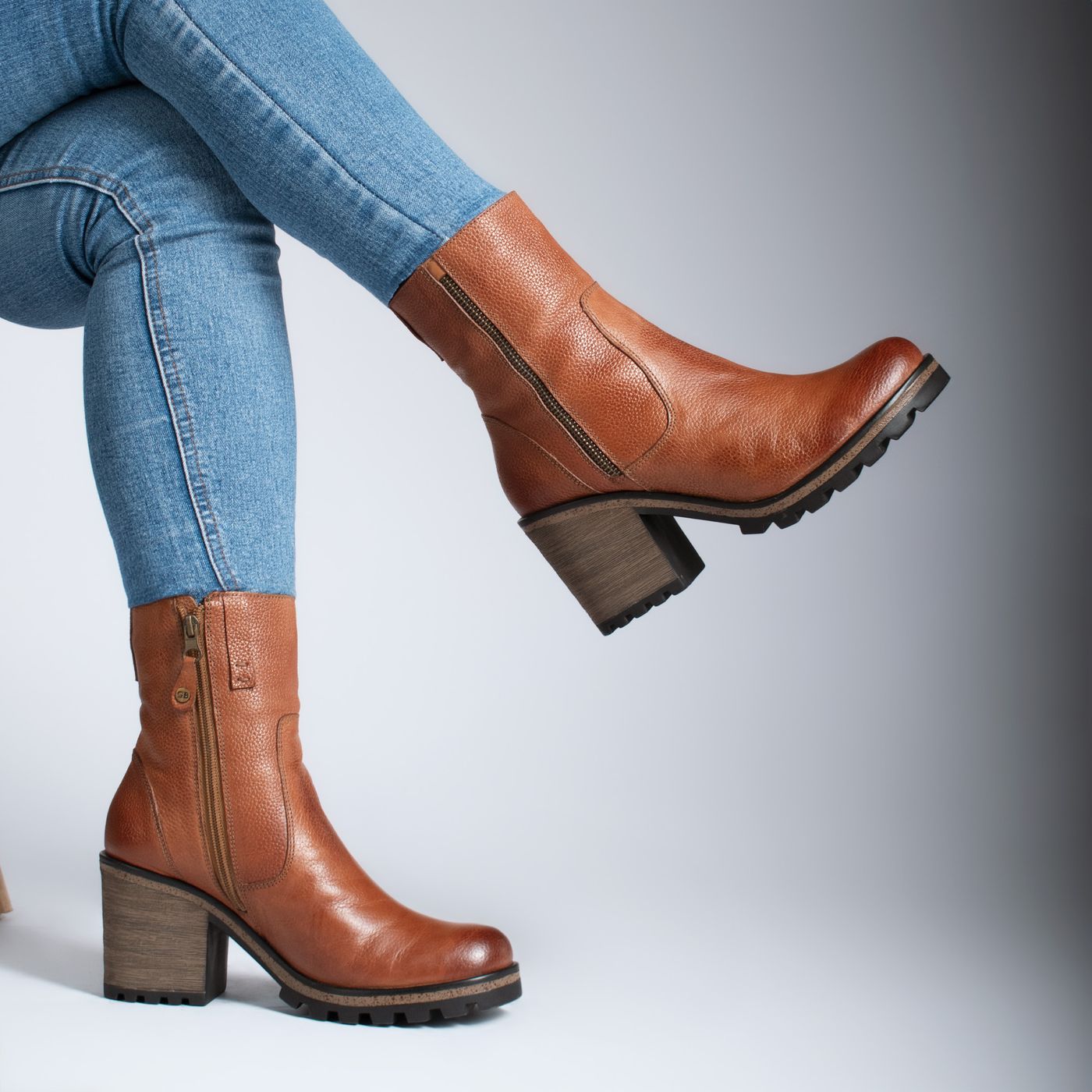
Try loafers with a straight or gently tapered trouser and look at where the hem finishes. A little space above the shoe shows its shape; a longer hem can work if it falls cleanly and does not collect on the front. Wide trousers may need a different length from the pair you wear with trainers.
Walk and turn before judging the outfit. If your heel slips or you are gripping with your toes to keep the shoes on, styling will not fix the fit. Do not assume a painful pair will become suitable after enough wear.
Compare the sole with the skirt
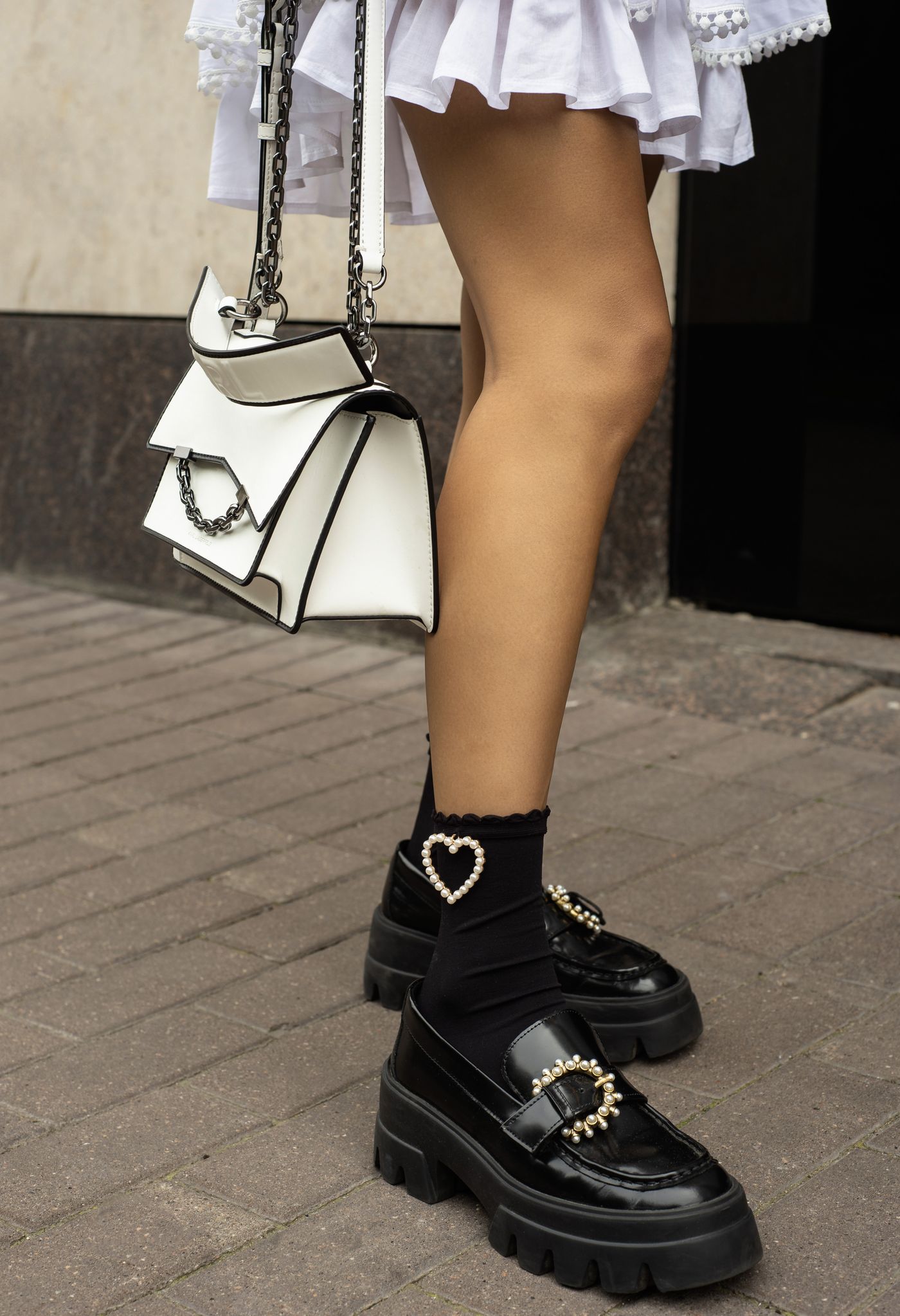
A substantial sole brings a different weight to a skirt than a slim leather sole. Try either with a familiar skirt before buying another item to make the combination work. A longer skirt can partly cover the shoe, so check the moving hem as well as the standing view.
With socks, use the thickness you expect to wear. A loafer that fits barefoot may feel cramped once a thicker sock is added. Visible socks can be a deliberate part of the outfit; they do not need to disappear for the combination to work.
Keep the first version simple
A shirt and jeans, a plain knit with trousers, or a relaxed dress each gives the shoes a clear setting. Add your usual outer layer and see whether the outfit still feels useful for the day ahead. Follow the care instructions for the actual shoe material: smooth leather, suede and coated finishes do not all need the same products.