Empty and check the bag
Remove receipts, food, pens and anything else that could leak or leave a mark. Check the pockets and lining before storing a bag for a while. If it needs cleaning, follow the maker’s guidance and let it dry fully before putting it away.
Do not assume the lining can be washed just because the outside looks robust. Mixed materials and glued components can need different treatment.
Support rather than overfill
A structured bag may benefit from light, clean support inside, if suitable for its material. The aim is to preserve the natural shape, not stretch it. Avoid packing the bag tightly or forcing the closure over stuffing.
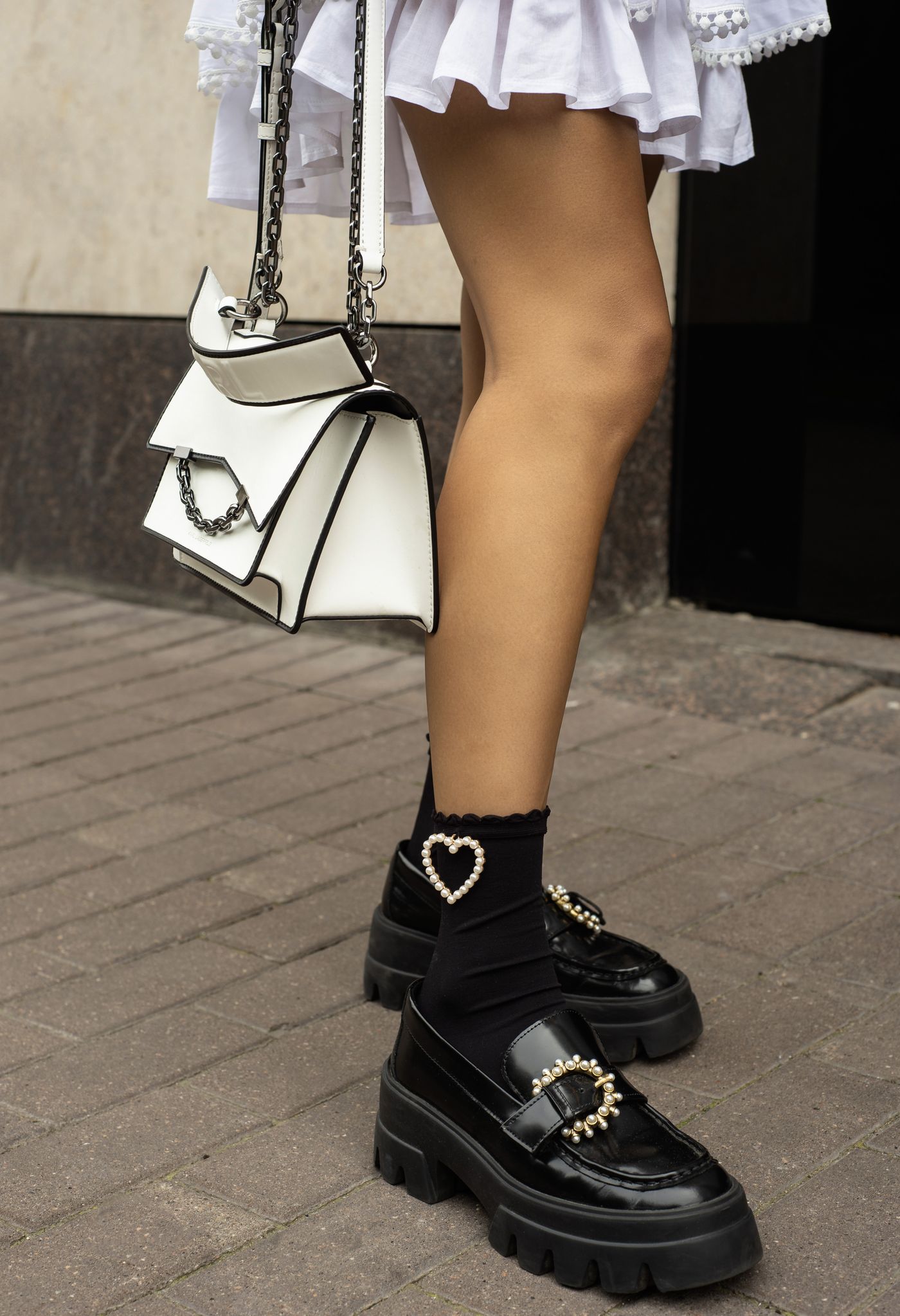
Let straps and chains rest without pressing sharp impressions into the surface. Hanging a heavy bag by its handles for a long period may not suit its construction. Check the maker’s storage advice, especially for delicate leather, coated finishes or unusual shapes.
Give each bag some breathing room
Choose a clean, dry place away from direct sunlight and unnecessary heat. Avoid crushing softer bags beneath a stack of heavier ones. A suitable dust bag can protect a surface, but do not seal a damp bag away and expect the cover to solve the moisture problem.
Store frequently used bags where they are easy to reach. Occasional bags can sit farther back, provided you can still check them. Before the next outing, look at the fastening, strap attachments and interior. A quick inspection is easier when the bag has not become a container for unrelated things.