Make a small contents list
Set out your phone, keys, wallet and any other daily essentials. Add the things that are genuinely regular, such as glasses, a notebook or a compact umbrella. Separate occasional extras so they do not automatically dictate the size of every bag you own.
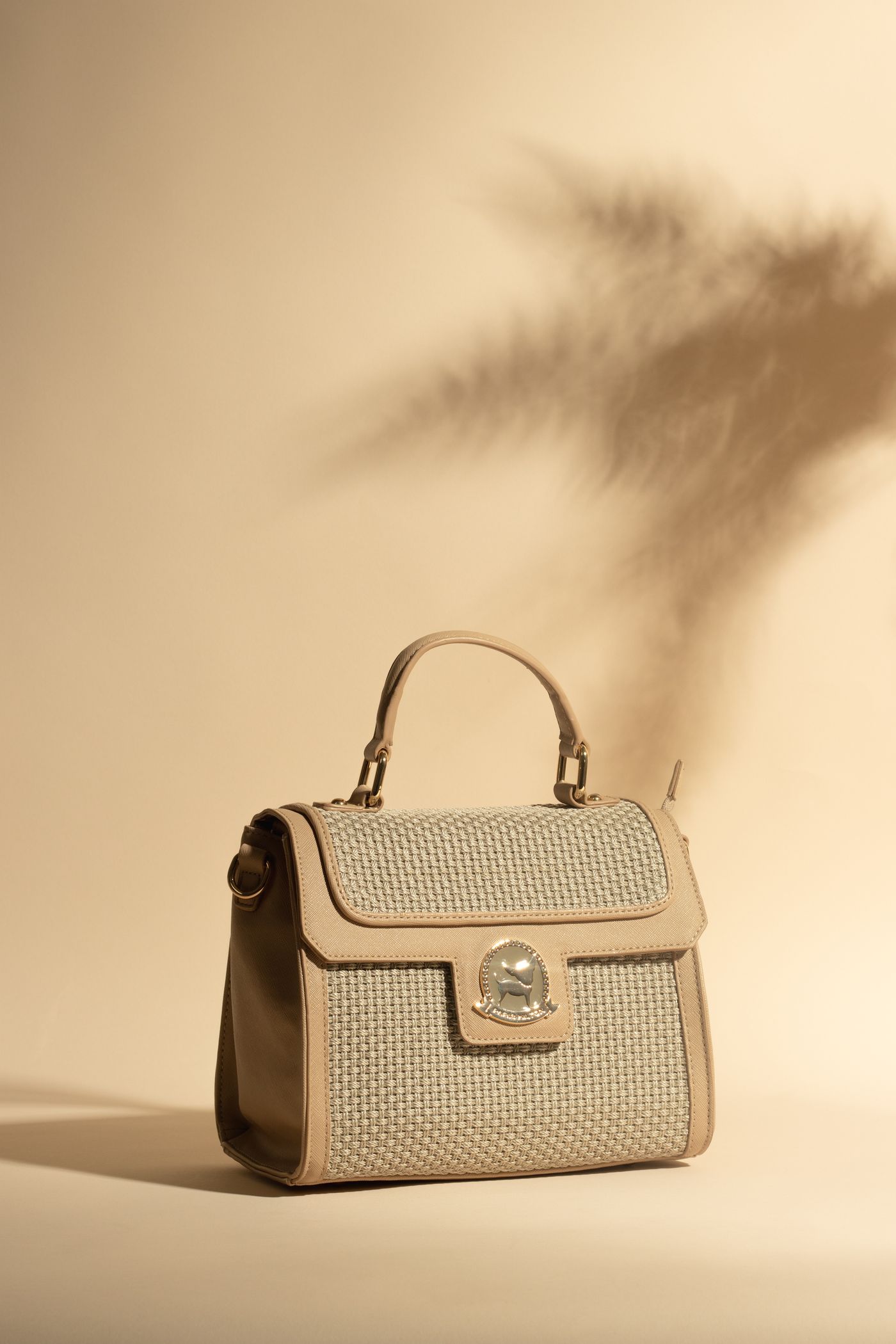
Measure the largest rigid item. A bag can look spacious but have an opening too narrow for a notebook or case. Check the interior shape and closure, not just the advertised width.
Test the carrying position
Try the bag over the clothing you expect to wear. A strap that sits comfortably over a thin top may be awkward over a winter coat. If it is adjustable, check the useful range and whether the excess strap stays contained.
When permitted, test with a realistic load. The empty weight is only part of the experience. Notice whether the strap digs in, slips or leaves the opening difficult to reach.
Give pockets a specific job
A small secure pocket for keys can be useful. Several tiny compartments may be less helpful if they do not fit your belongings. Choose organisation you can remember rather than assuming more pockets are always better.
Finally, consider where the bag will rest at work or at home. A structured bag needs suitable storage, while a soft one may collapse around delicate contents. Follow the maker’s material-specific care guidance and check whether the bag suits the weather exposure in your normal journey.