Make the fit the starting point
Try both shoes and walk in them on an appropriate indoor surface. The heel should feel secure and the front should leave your toes comfortable. A soft-looking upper is not proof that a shoe will feel good after an hour.
Use the socks or liners you intend to wear, if any. They change the fit, particularly in a shallow shoe. Do not rely on sizing down to prevent slipping if that creates pressure elsewhere.
Pair with a familiar trouser shape
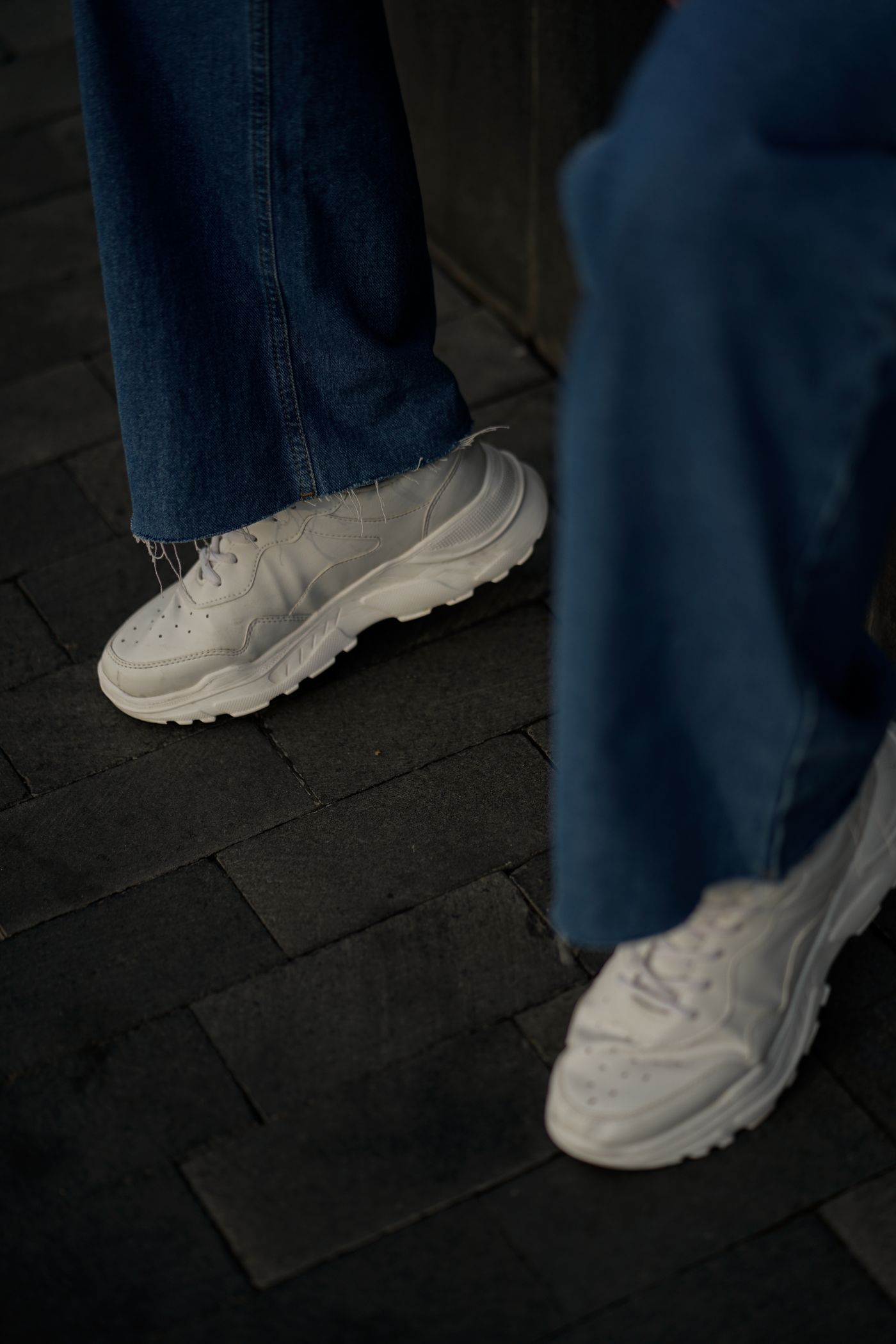
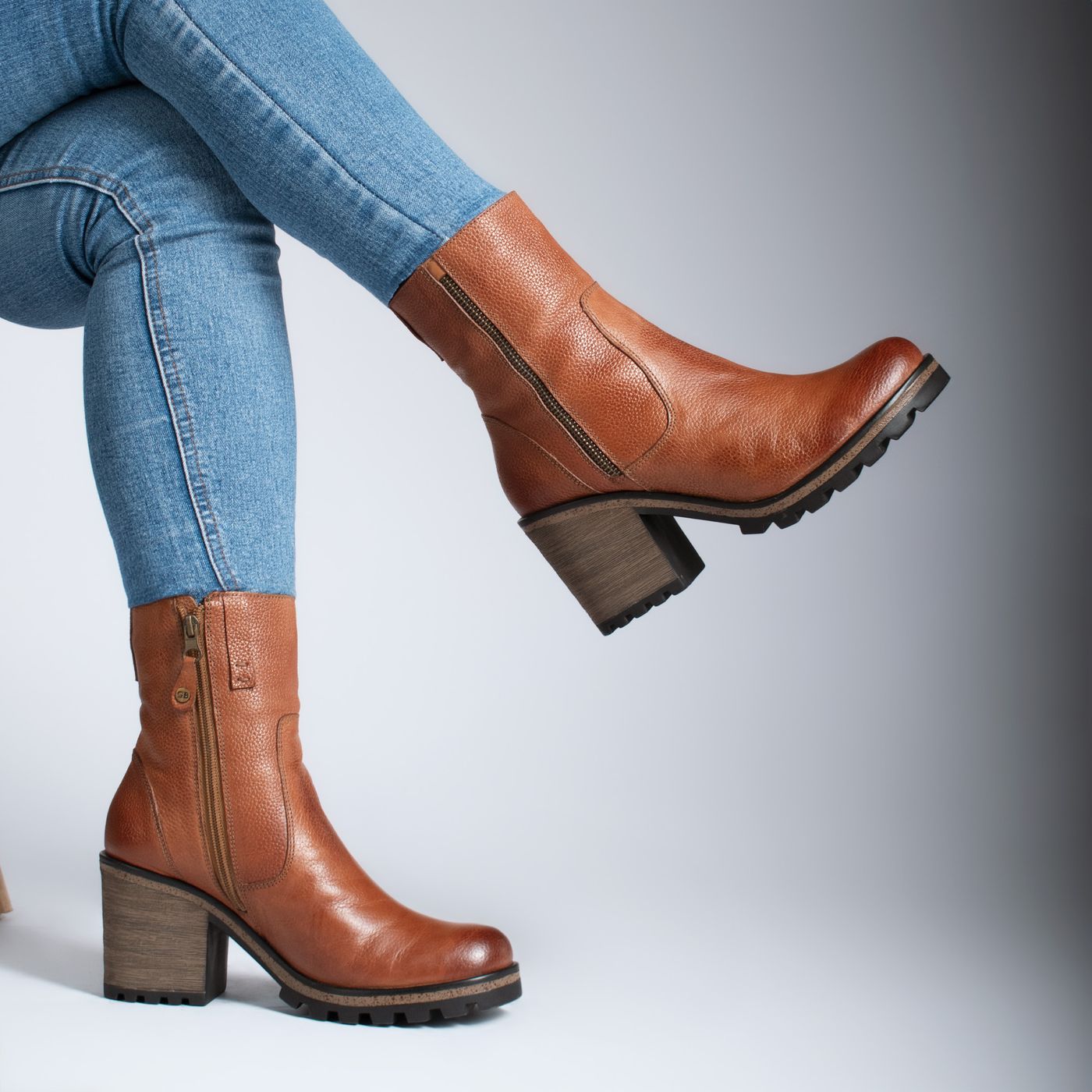
Straight jeans or tailored trousers provide an easy first outfit. Check where the hem lands, because a low shoe leaves more of the foot visible than a trainer or boot. A dragging hem can make the pair impractical even when you like the overall look.
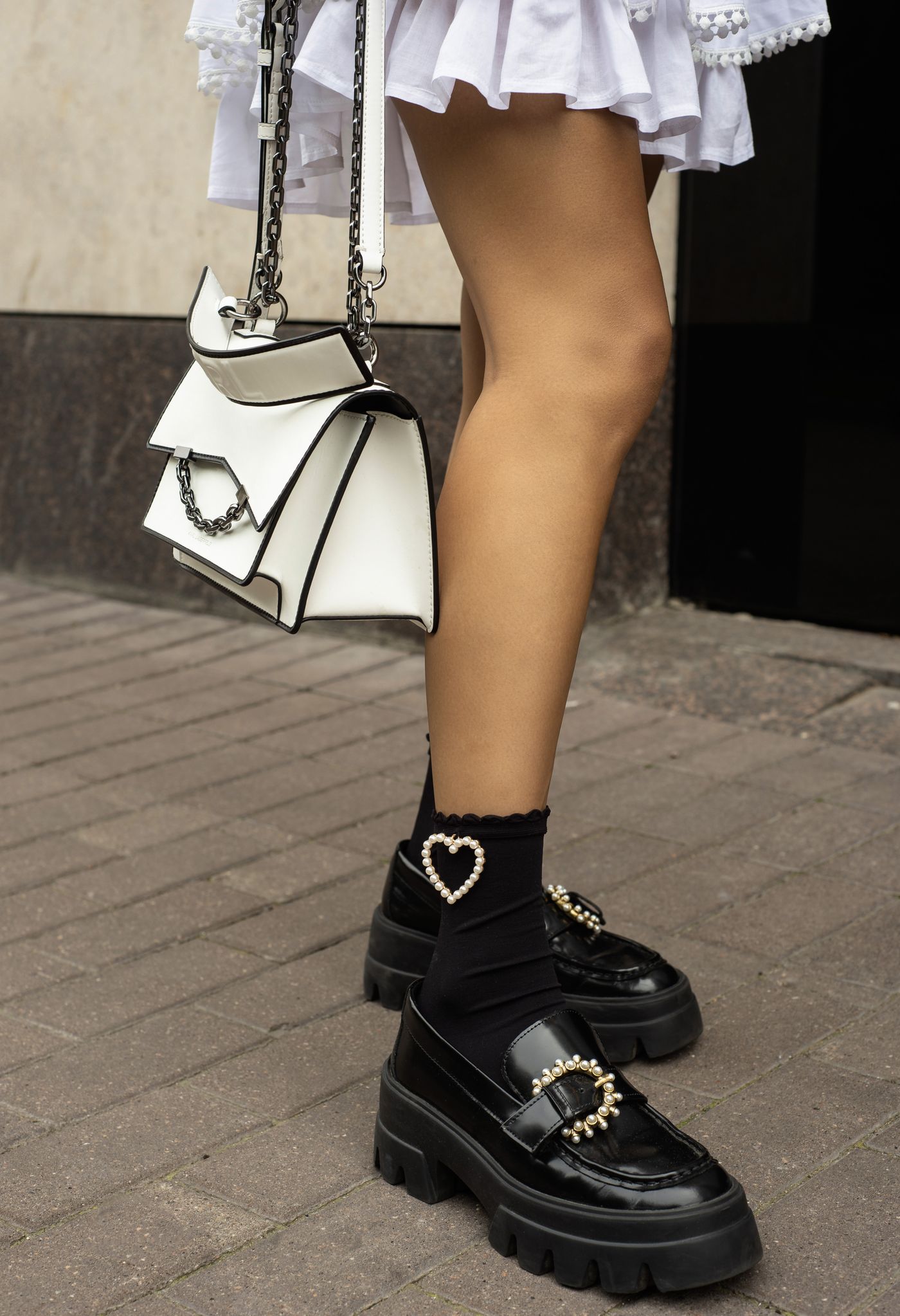
With wider trousers, a slightly shorter length may reveal the shoe. With a skirt, compare the weight of the fabric and the shape of the toe. These are visual choices rather than rules about which bodies can wear a particular shoe.
Dress for the ground as well as the room
Thin soles and low uppers may be less useful in persistent rain or on rough ground. Choose the pair according to the journey, or carry them as a change of shoes if that suits your plans. A familiar, comfortable pair is preferable to an untested one for a long day.
If the shoes have bows, straps or decorative edges, check that they do not rub or catch on the hem. Small details that look attractive on a shelf can behave differently once you start moving.