Start with the fabric around it
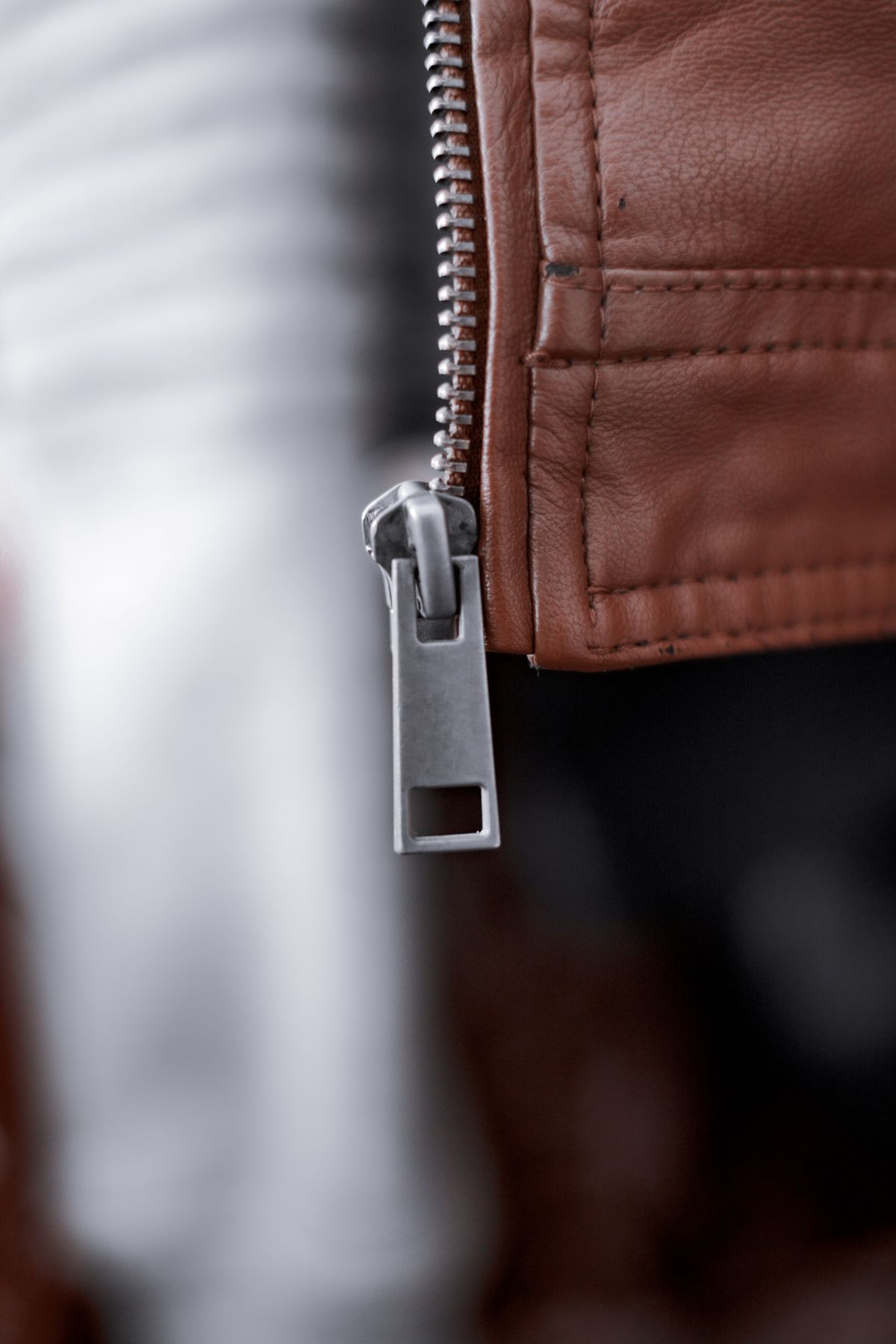
Hold the garment so the two sides are not pulling sharply apart. On a coat, make sure the bottom of the zip is properly engaged before drawing the slider upward. If the garment is under strain, ease that tension rather than expecting the fastening to overcome it.
Check whether lining, a loose thread or an edge of fabric has entered the slider. YKK advises easing the slider back while freeing caught material instead of forcing it farther along. Work slowly in good light; repeated hard tugs can make the catch worse.
Prepare zips for cleaning
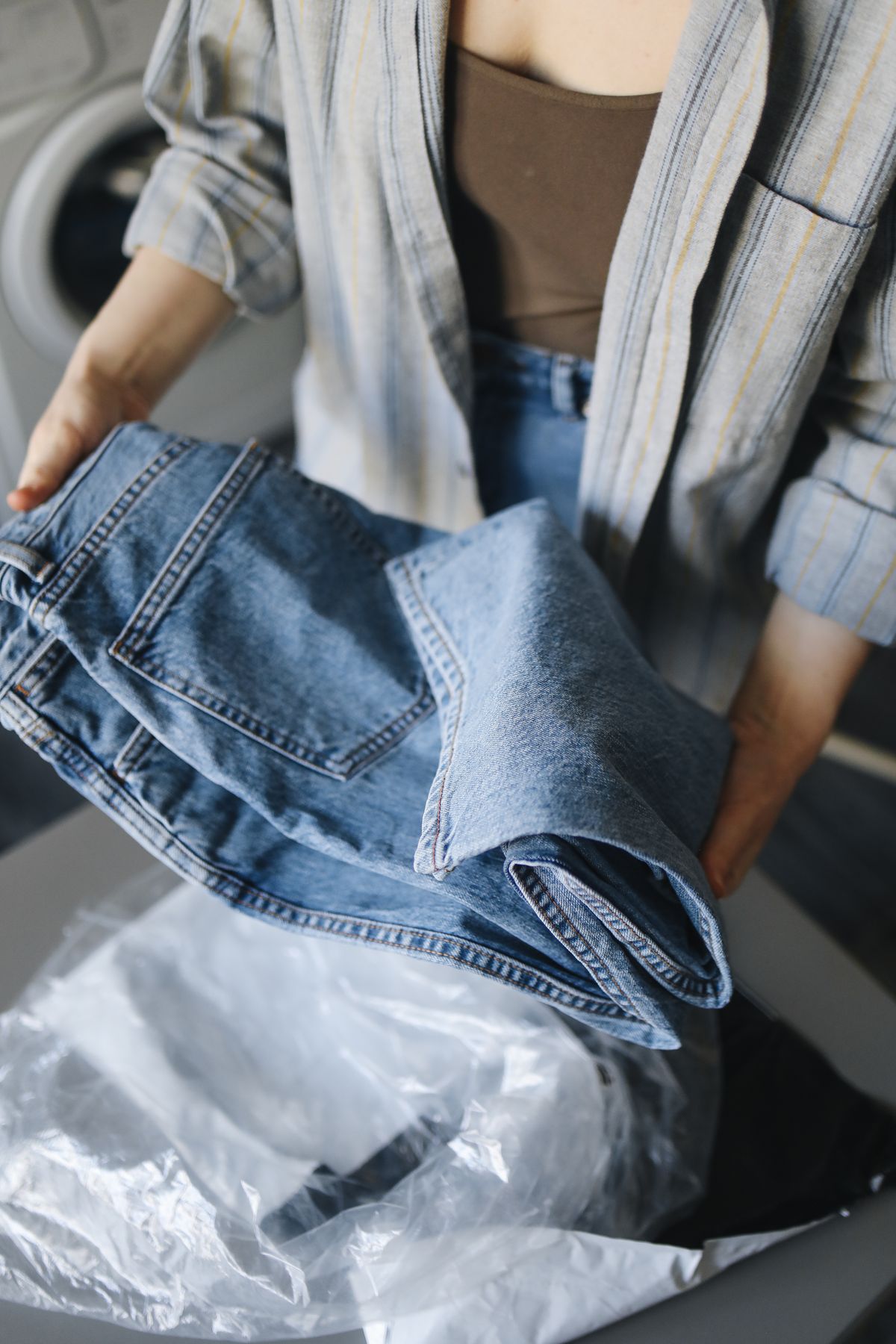
YKK recommends closing zips before machine washing to reduce snagging and damage. Still follow the garment's care label: a closed zip does not make an unsuitable wash programme safe. A mesh laundry bag may be useful for vulnerable pull tabs where the care instructions allow it.
Keep an eye on the surrounding stitching too. A zip can be functional while its tape is coming away from the seam. Dealing with a small loose area early may prevent further strain, but do not stitch through parts that need to move or lock.
Know when to stop adjusting
Missing or bent teeth, a damaged slider and a zip that separates repeatedly deserve a repair assessment. Household oils and improvised lubricants can mark adjacent cloth, so use only a product appropriate to the zip and fabric if lubrication is recommended.
Before storing a garment, let it dry fully and check that the fastening works normally. When buying second-hand, open and close the zip gently through its full travel. A reluctant fastening may be repairable, but the cost and method are worth finding out before it becomes your next unfinished task.