
Buying & fit
Why to compare measurements rather than size labels
A familiar size label is a starting point, not a promise that another garment will fit the same way. Measurements and the intended cut give you more useful information.
THE EVERYDAY WARDROBE
Look beyond the size label. Consider fit, fabric and the clothes you already own.
A familiar size label is a starting point, not a promise that another garment will fit the same way. Measurements and the intended cut give you more useful information.

An alteration can make a promising garment more useful, but only if the change is feasible. Ask the questions before buying a piece that depends on being rebuilt.

Cost per wear can help compare how clothes are used, but it is easy to turn an estimate into an excuse. Keep the arithmetic connected to real habits.
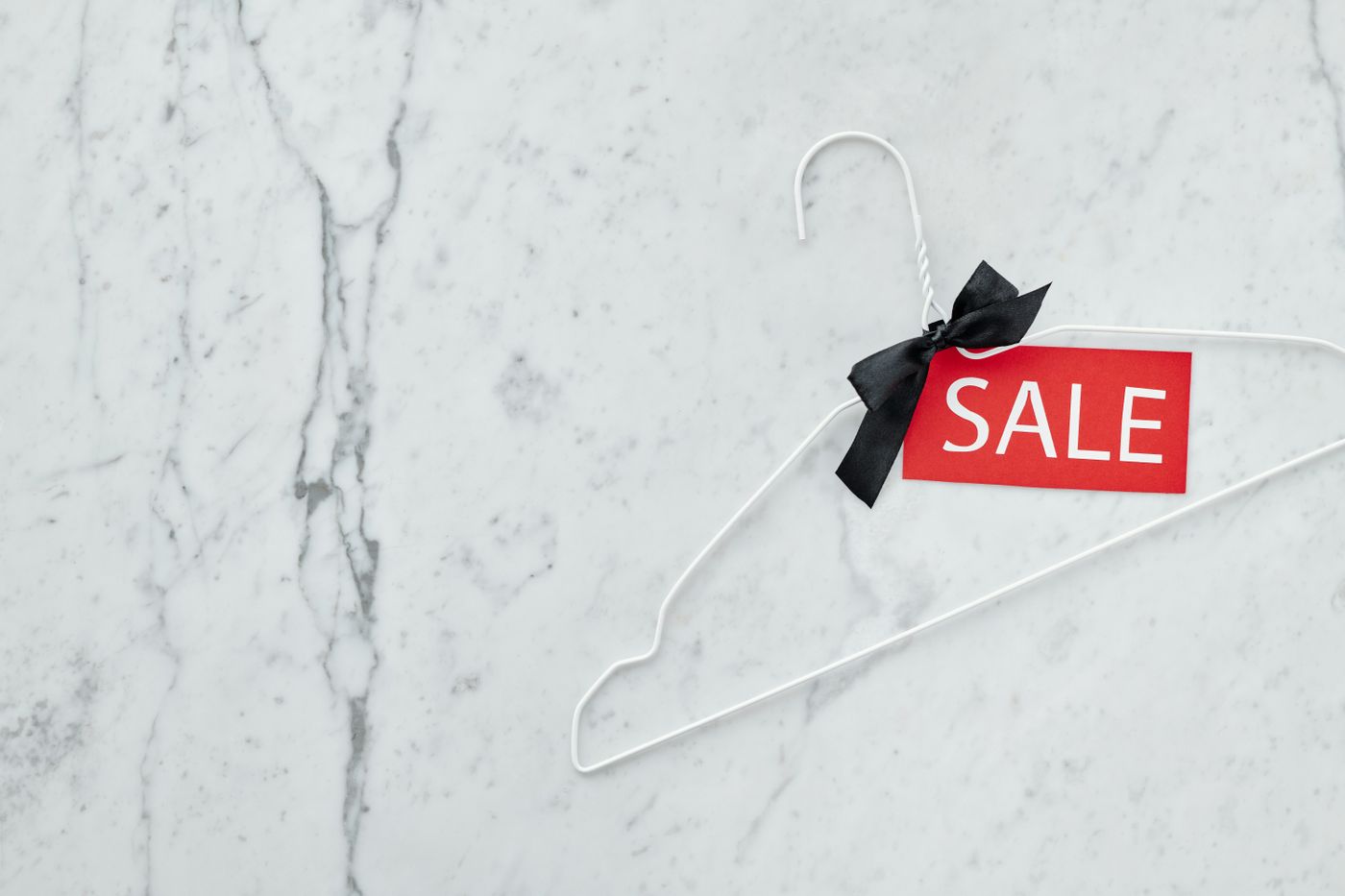
A sale price can make a decision feel urgent. A short pause gives you time to check whether the garment solves a real wardrobe need or simply looks attractive beside a reduction.
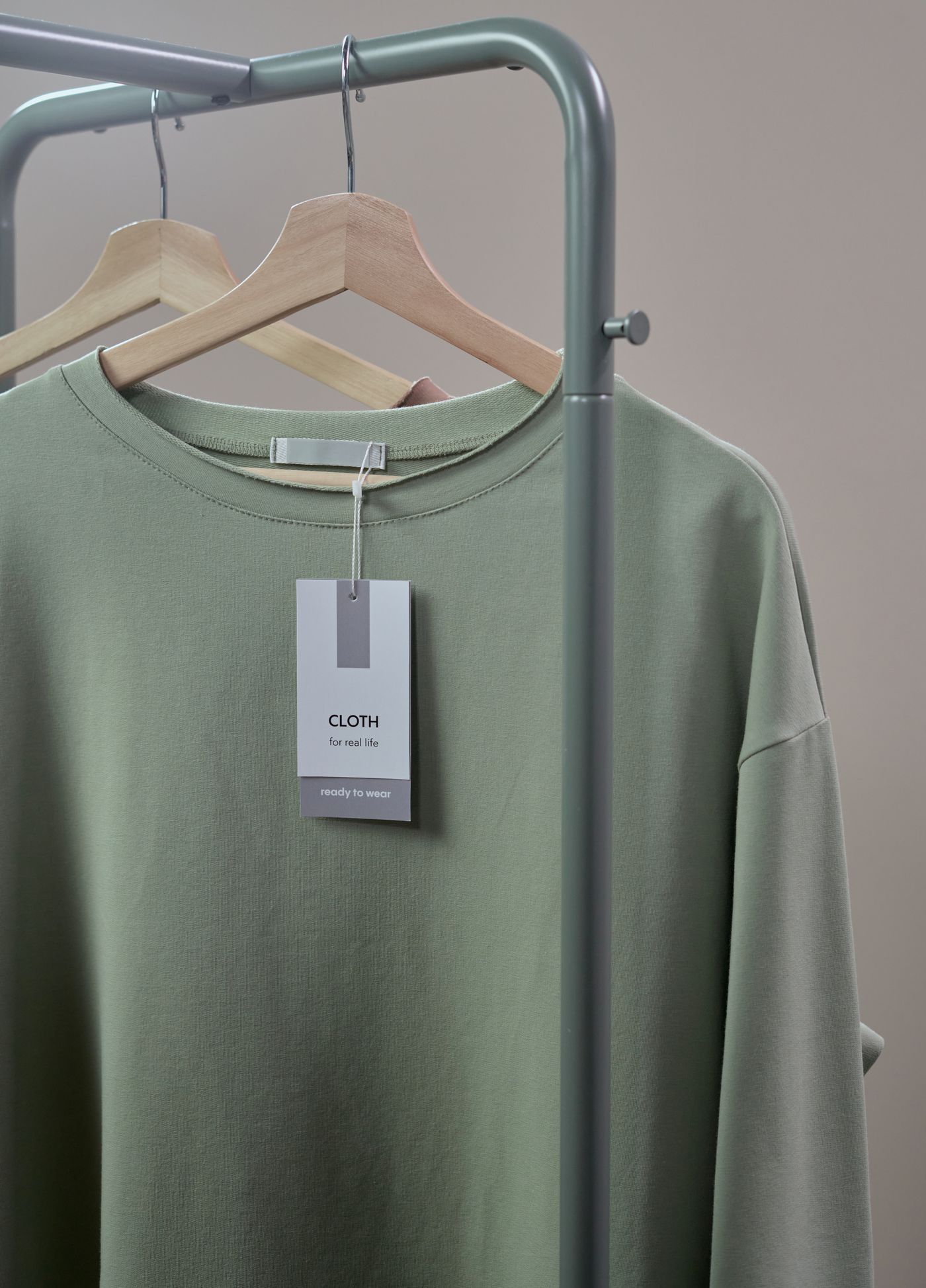
Keep the tags attached while you decide whether a new garment is right. A calm check at home can reveal details that were easy to miss in a shop or product photograph.
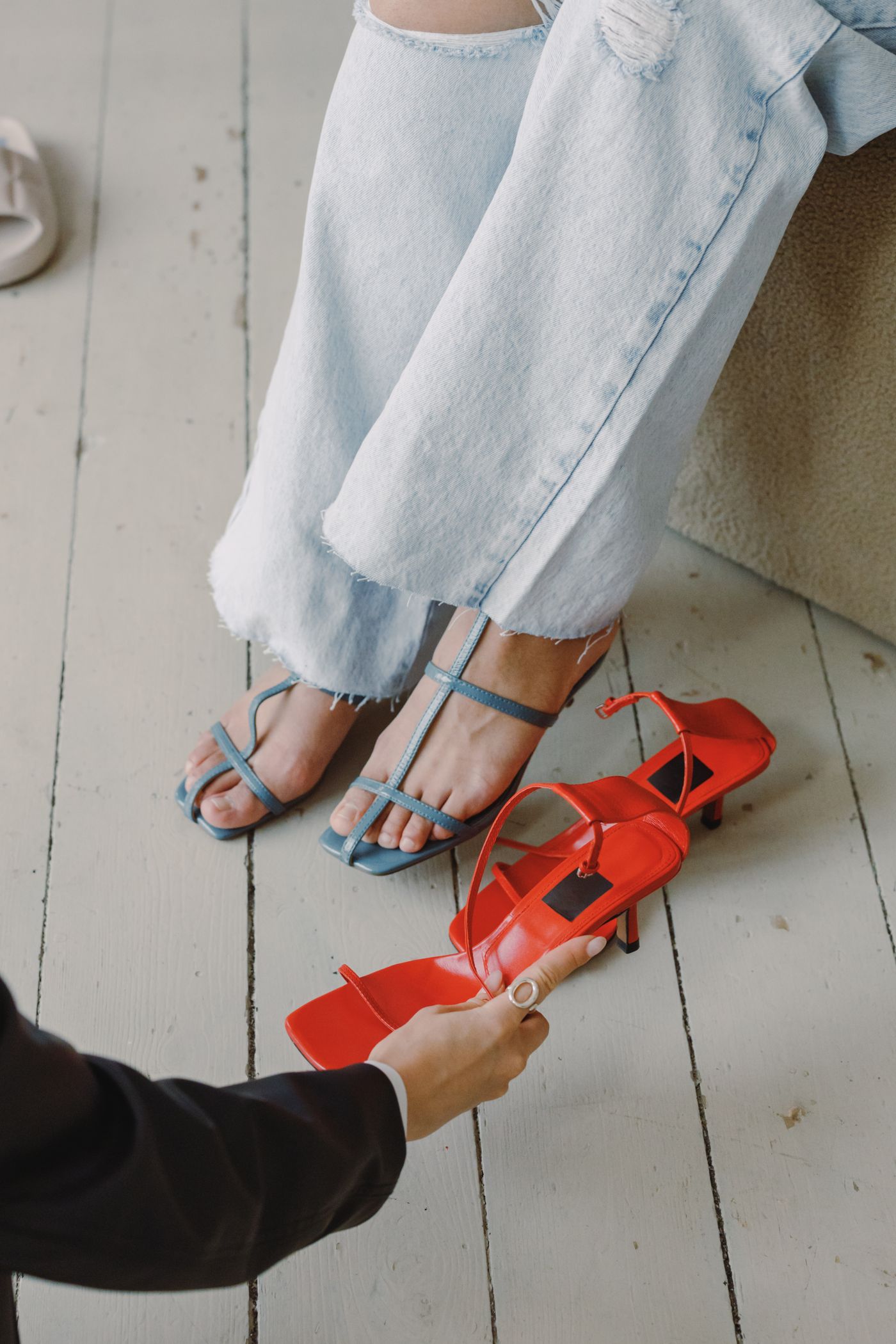
Trying on shoes is more useful when you recreate the way you will wear them. Bring the intended socks and give both feet a proper chance to move.
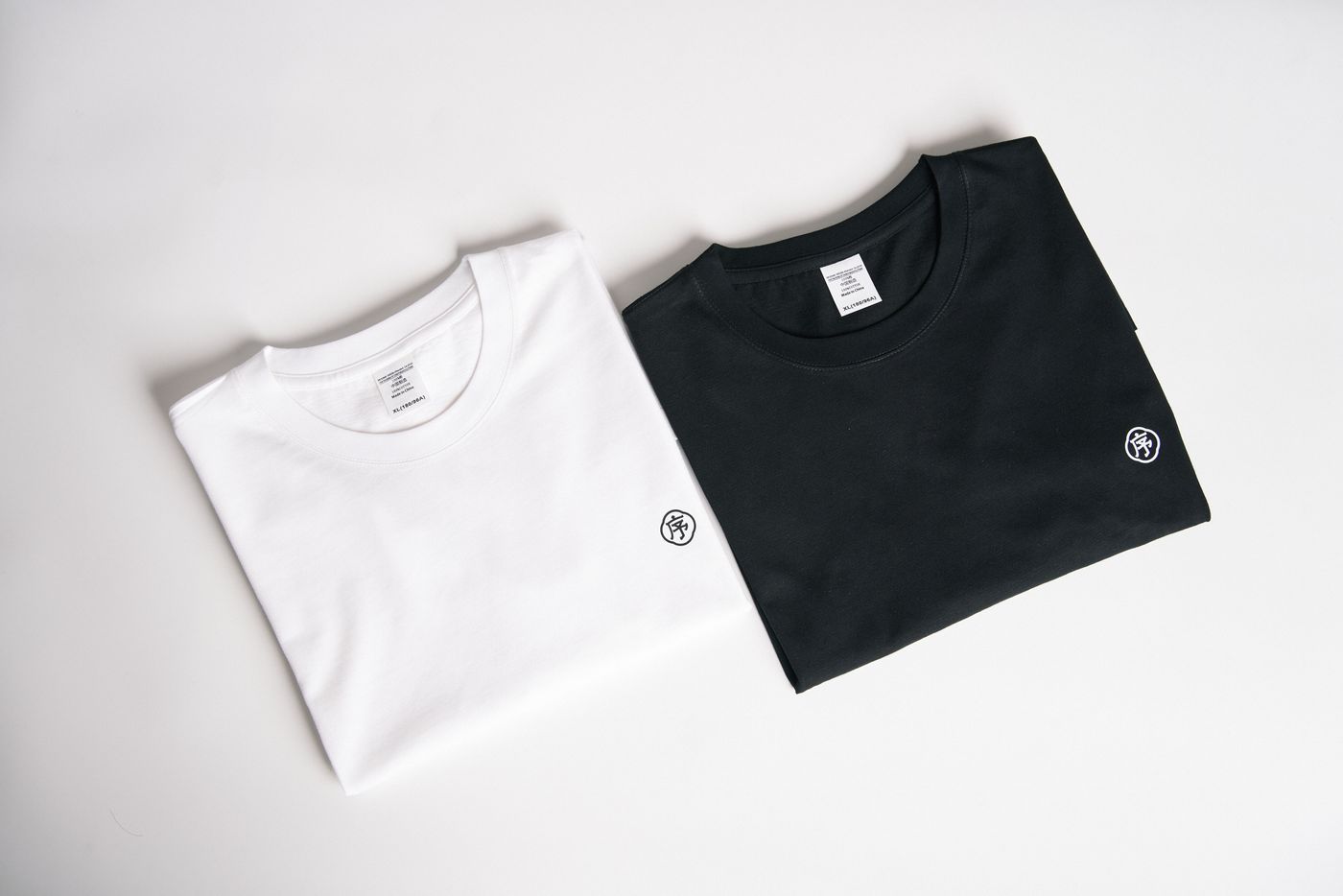
A duplicate basic can make a busy wardrobe easier to use. It is most convincing when the first version already proves its value, rather than when the second merely promises to be useful.