Find the actual problem
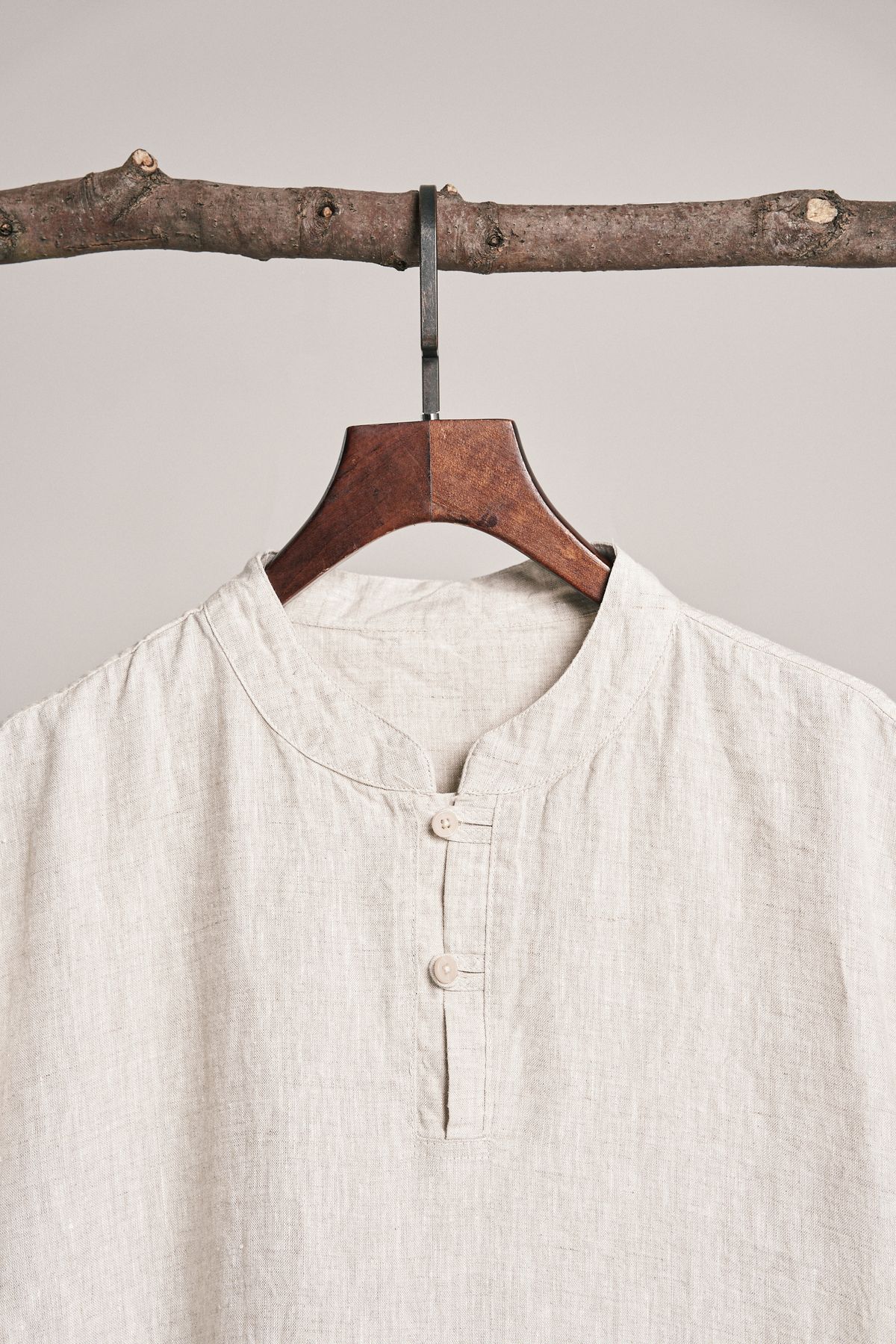
Look at the collar, cuffs, underarms and front in daylight. A food stain needs a different decision from general discolouration or a mark transferred from another garment. Identify what you can before choosing a treatment, and check the care label for restrictions.
White is a colour, not a washing instruction. The shirt may contain stretch fibres, delicate decoration or a finish that limits treatment. Do not assume that a pale appearance permits the hottest wash, chlorine bleach or any whitening product sold for laundry.
Keep the load compatible
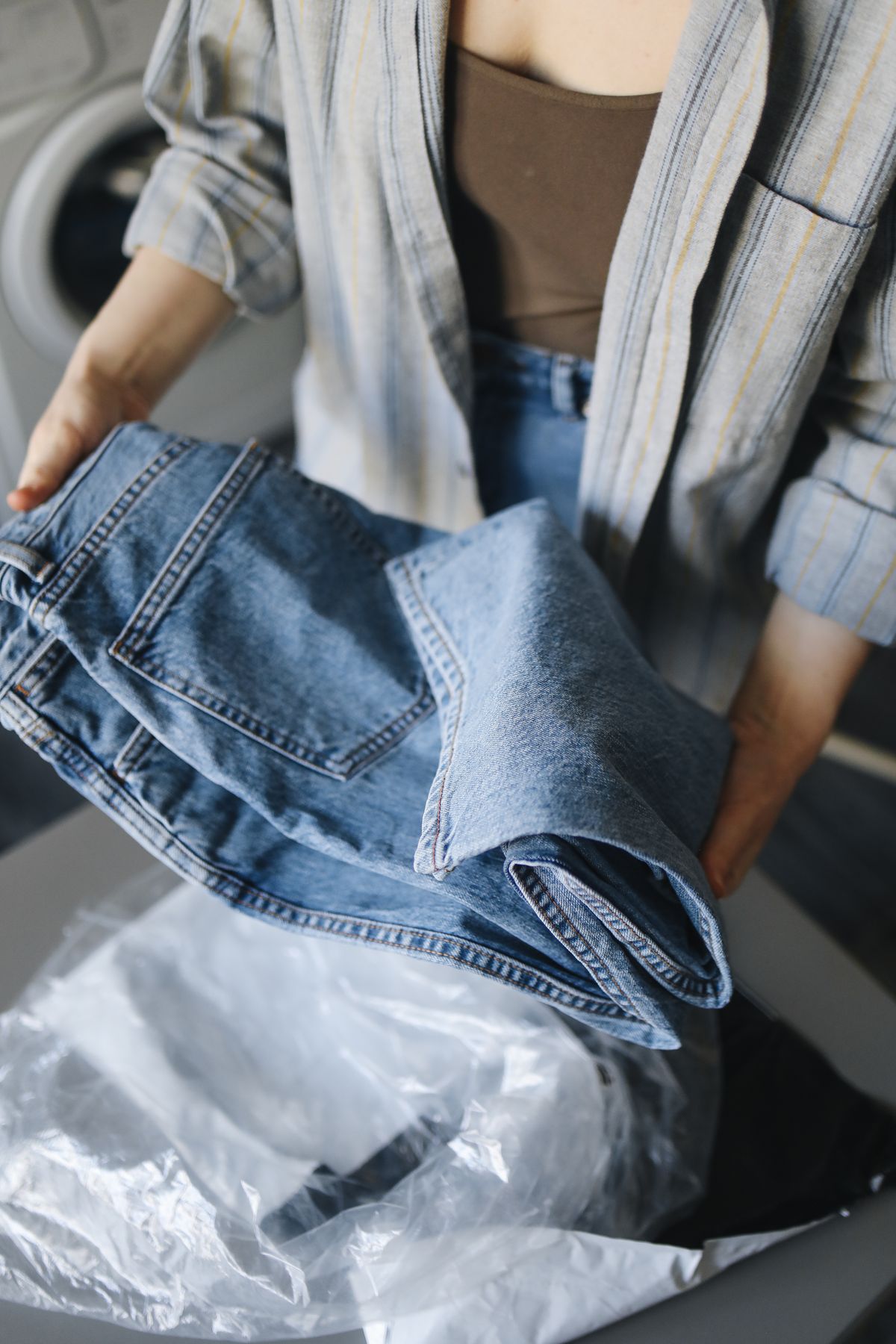
Separate the shirt from garments likely to release colour and choose items with similar care needs. Use the labelled programme and measured detergent. Give the load enough room rather than compressing several days of shirts into a drum that is already full.
For a stain product, read the instructions and check compatibility with both cloth and colour details. A white shirt with coloured stitching or buttons is not necessarily an all-white treatment case. Never combine cleaners in the hope that two will work better than one.
Make the final check before wearing
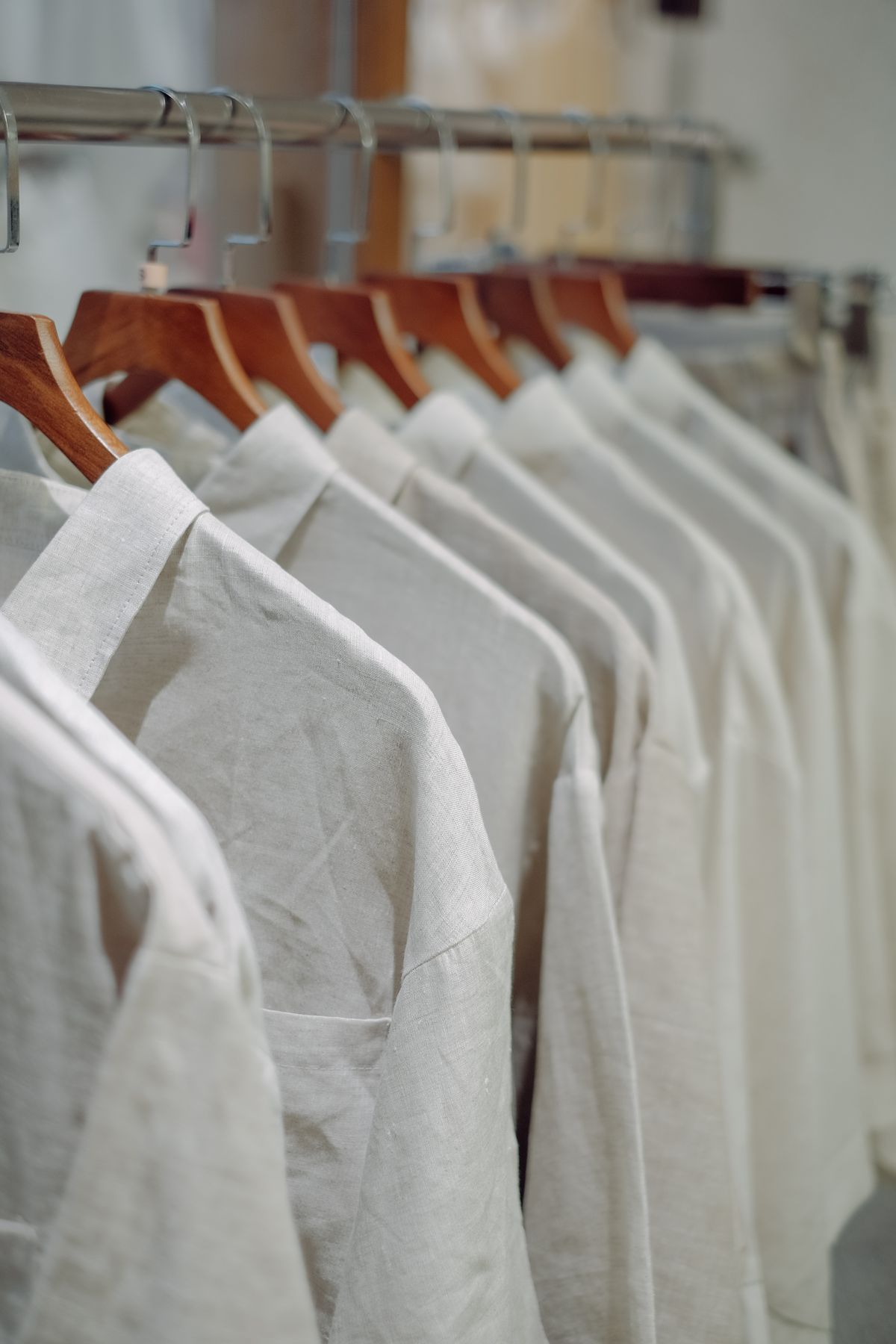
After washing, inspect the problem area before applying heat. Follow the drying and ironing instructions, and check that the collar is fully dry before placing the shirt back on its hanger. Store it away from dusty surfaces and avoid pressing it tightly against dirty outerwear.
If the fabric is becoming thin or the cuffs are worn, whitening will not restore the construction. Consider whether a repair, a different use or replacement makes more sense. A shirt can remain useful without being brilliant white, but repeated aggressive treatment should not become its automatic route back into the wardrobe.