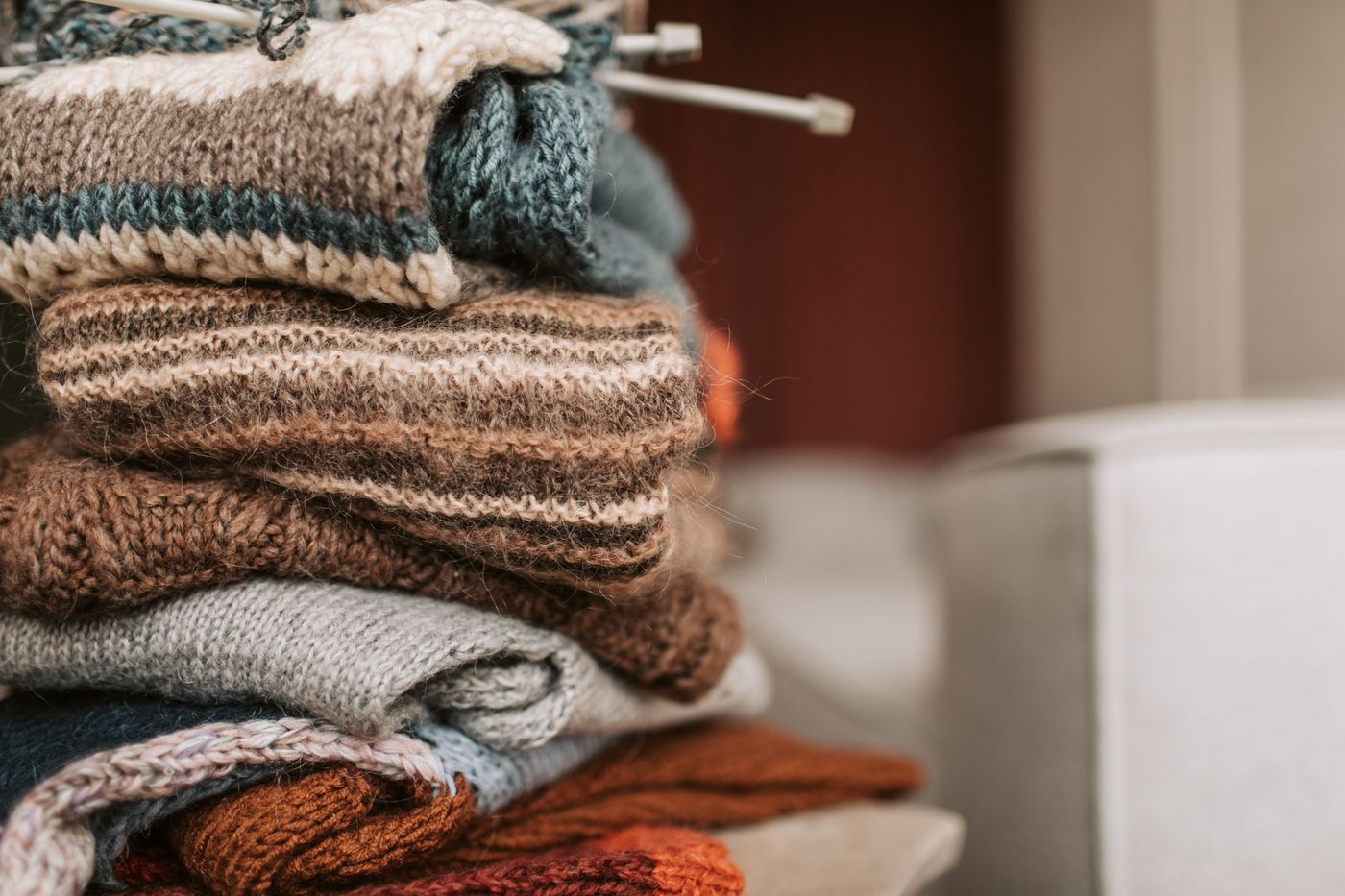
Define what delicate means here
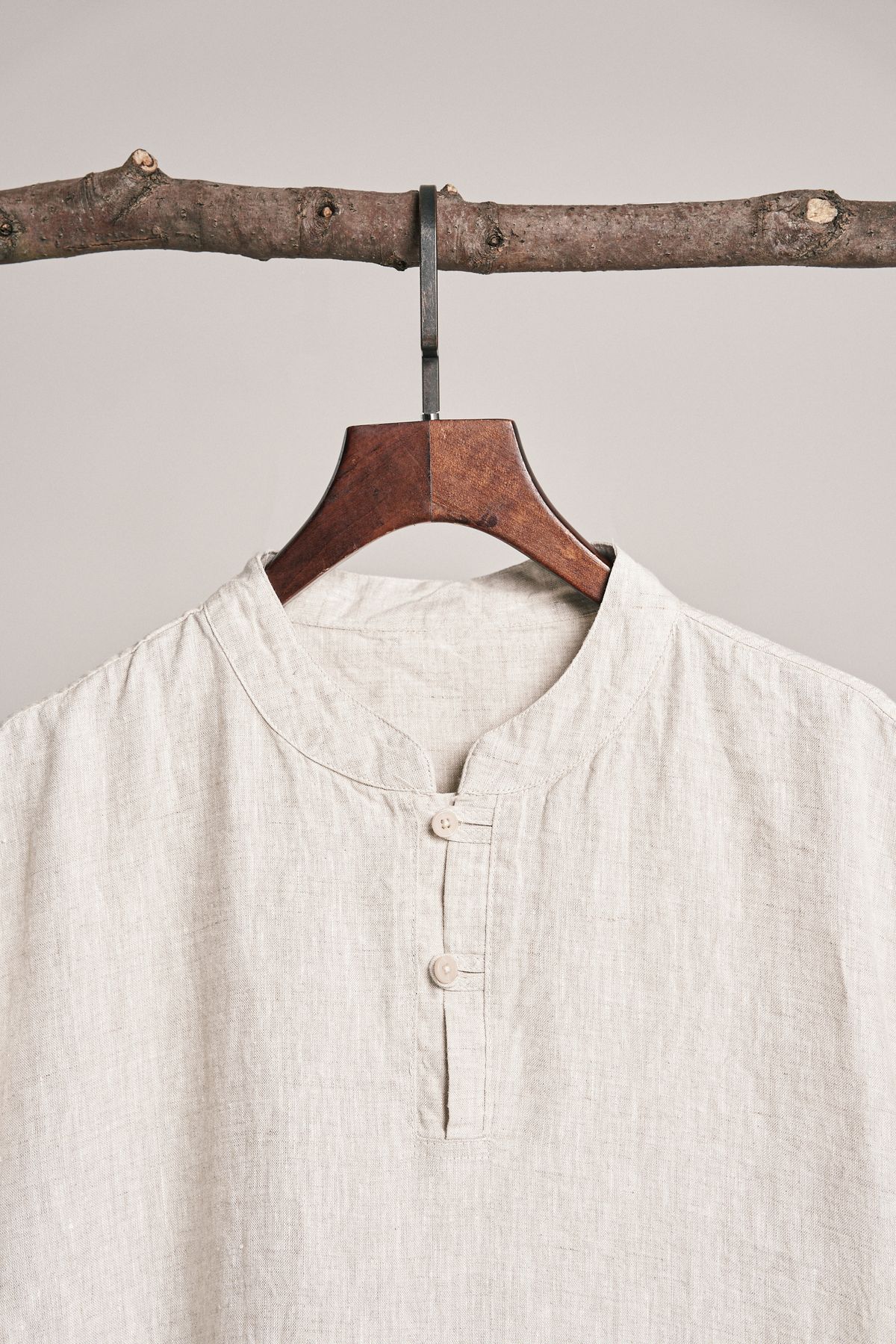
Read each item's label before grouping it with other fragile-looking clothes. A fine cotton blouse may allow machine washing while a similar-looking silk piece requires professional cleaning. Appearance alone is not a reliable guide to treatment.
Check loose hooks, zips, decoration and existing damage. Repair or assess a loose seam before washing puts it under further movement. Remove detachable parts only where appropriate, keeping them somewhere they will not be lost during the laundry process.
Make a suitable load
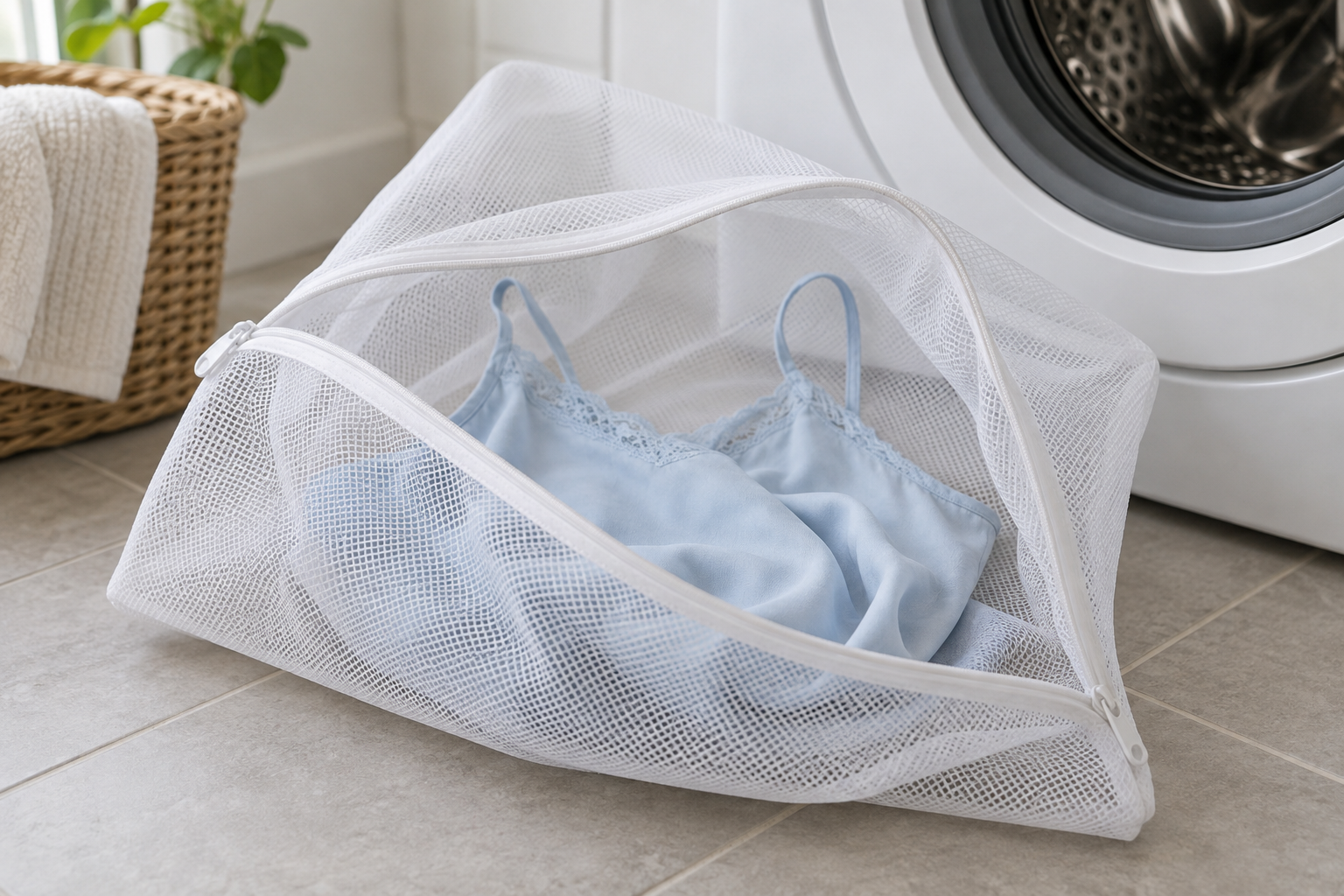
Use the permitted programme and avoid overfilling the machine. A mesh laundry bag can help contain a small garment or reduce catching, but it does not override a care label. Choose a bag roomy enough for the item rather than forcing a dress into a pouch designed for smaller pieces.
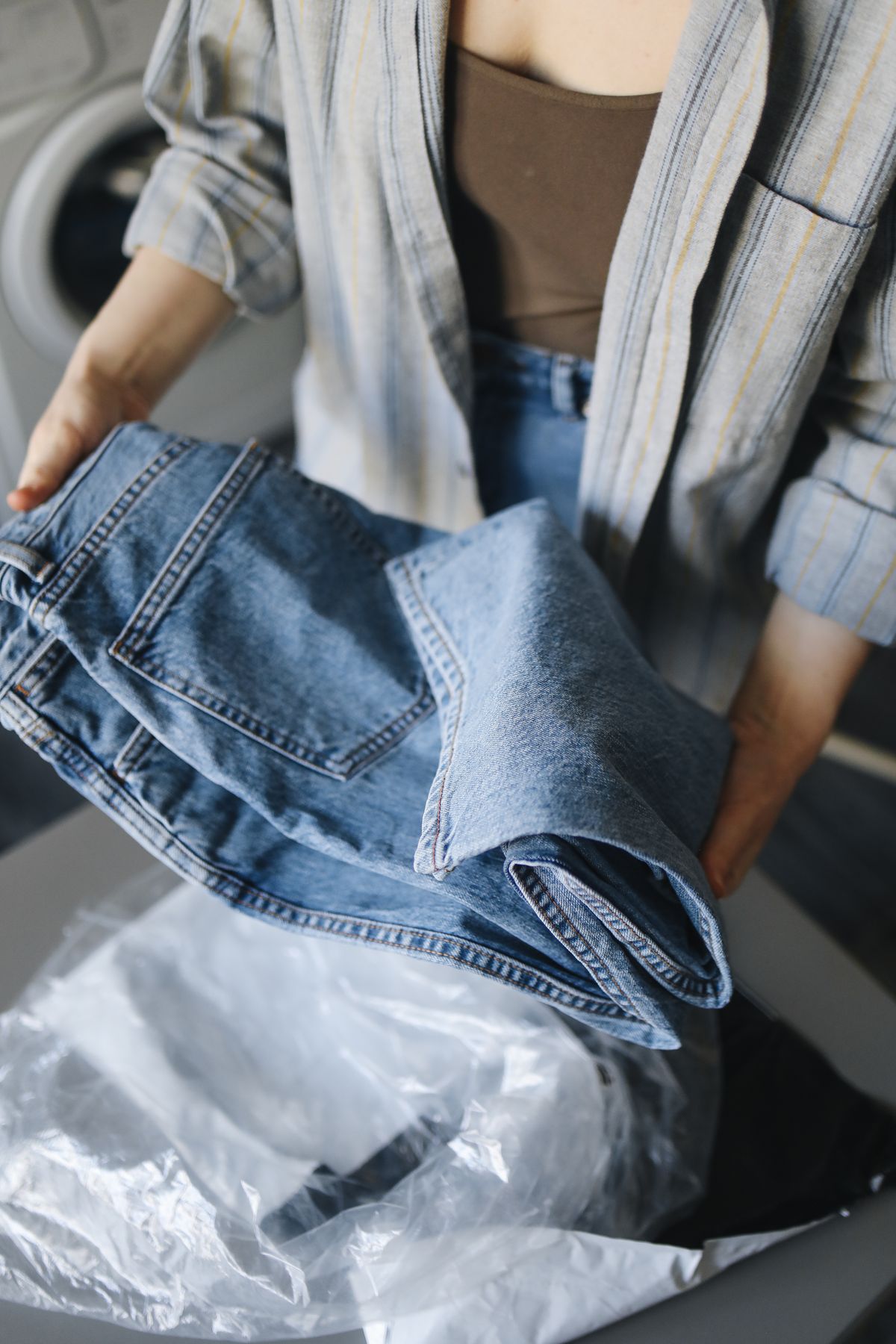
Keep rough or heavy items out of the load where they could abrade fragile cloth. Sort colours and use a suitable measured detergent. If hand washing is required, follow the recommended temperature and handling instead of assuming that a machine's delicate setting is equivalent.
Arrange the next step in advance
Prepare the drying space before starting. A wet garment can be vulnerable to stretching, so lift and support it in a way that suits its construction. Follow the labelled drying method rather than hanging everything from one convenient rail.
Once dry, inspect fastenings and seams again before putting the item away. If washing delicate clothes always becomes a last-minute rush, set aside a smaller manageable batch. The aim is not a complicated ritual: it is to give the garment enough space, compatible company and the treatment its construction can tolerate.