Give the busy days first choice
Look at the next several days for practical differences: a long walk to an appointment, an office visit, a meal out or a day spent at home. Check likely weather near the time rather than building the whole week around an early forecast. The day with the least room for delay deserves the first ready outfit.
Choose the shoes before settling the rest when walking or standing is involved. Then build upwards with clothes that feel comfortable together. A pair of trousers that works with loafers may have a hem that drags with your usual trainers, which is easier to notice on Sunday than at the front door.
Keep the plan small
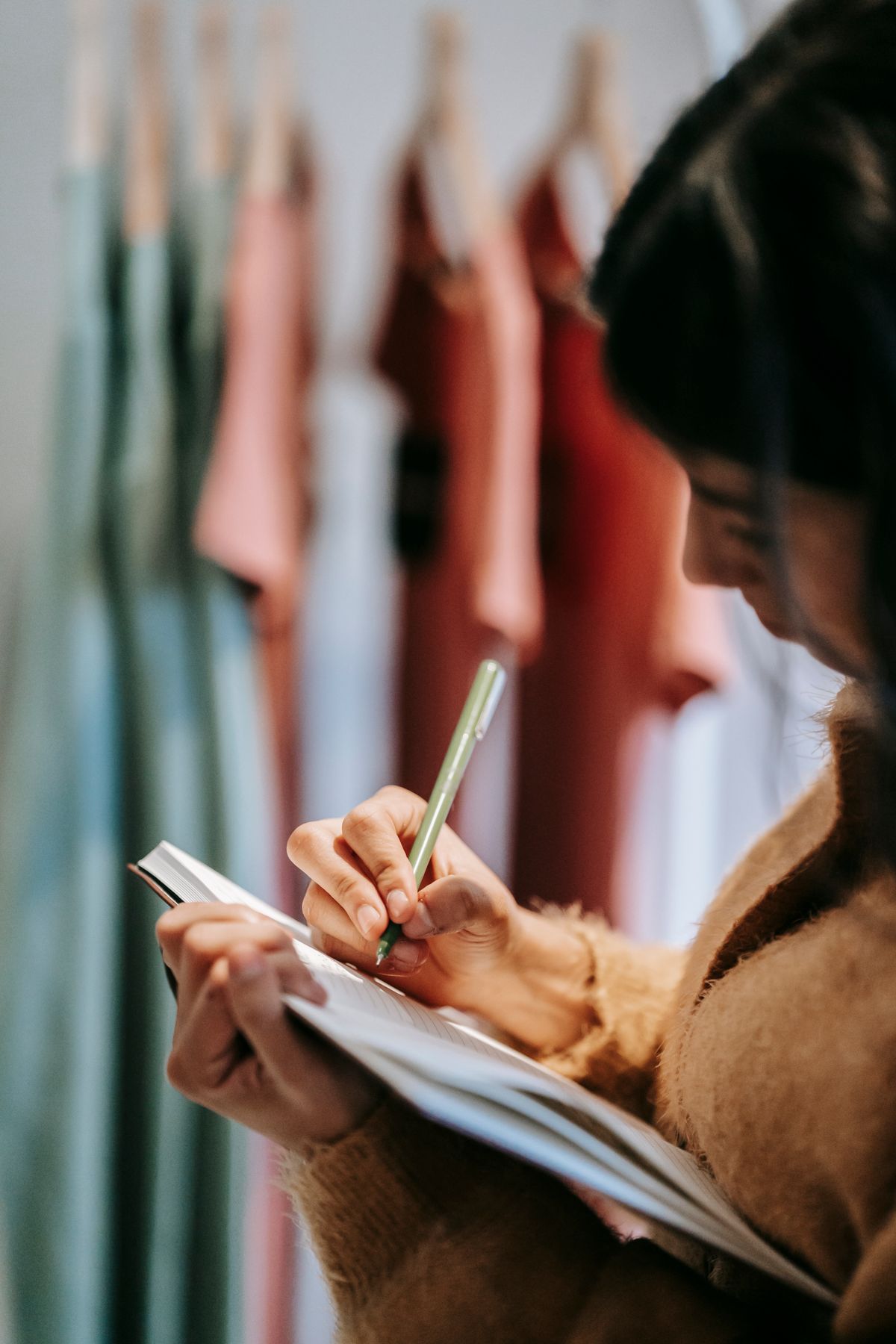
Set out two or three combinations and let quieter days remain flexible. Use a photograph, a short note or neighbouring hangers, whichever takes least effort. Include the layer you will need outdoors and any item that must be washed or pressed before it is available.
Avoid assigning the same essential shirt to two consecutive days unless you have a realistic alternative. Equally, there is no need to invent a fresh look for every diary entry. Repeating trousers with another top can be the most useful part of the plan.
Leave room for a change
Keep one easy outfit available for a colder morning, an unexpected errand or a delayed wash. It should use clothes already in the wardrobe, not create a shopping requirement. A comfortable knit, familiar trousers and weather-appropriate footwear often cover more situations than a carefully styled spare.
At the end of the week, notice what you actually wore. If a planned combination remained on the hanger because a waistband pinched or the layers felt bulky, record that detail. It gives next week's choices something concrete to improve.