Keep a running replacement list
When a regularly worn item begins to fail, note what you would need from its replacement. Record useful details such as pocket depth, sleeve length, fabric weight and the shoes it works with. You can look before the old piece becomes unusable, instead of buying quickly under pressure.
Separate replacements from experiments and occasion needs. They have different priorities. A worn everyday coat may matter more than a colour you would like to try, while an upcoming event may be handled by clothes already in the wardrobe.
Review the next season before shopping
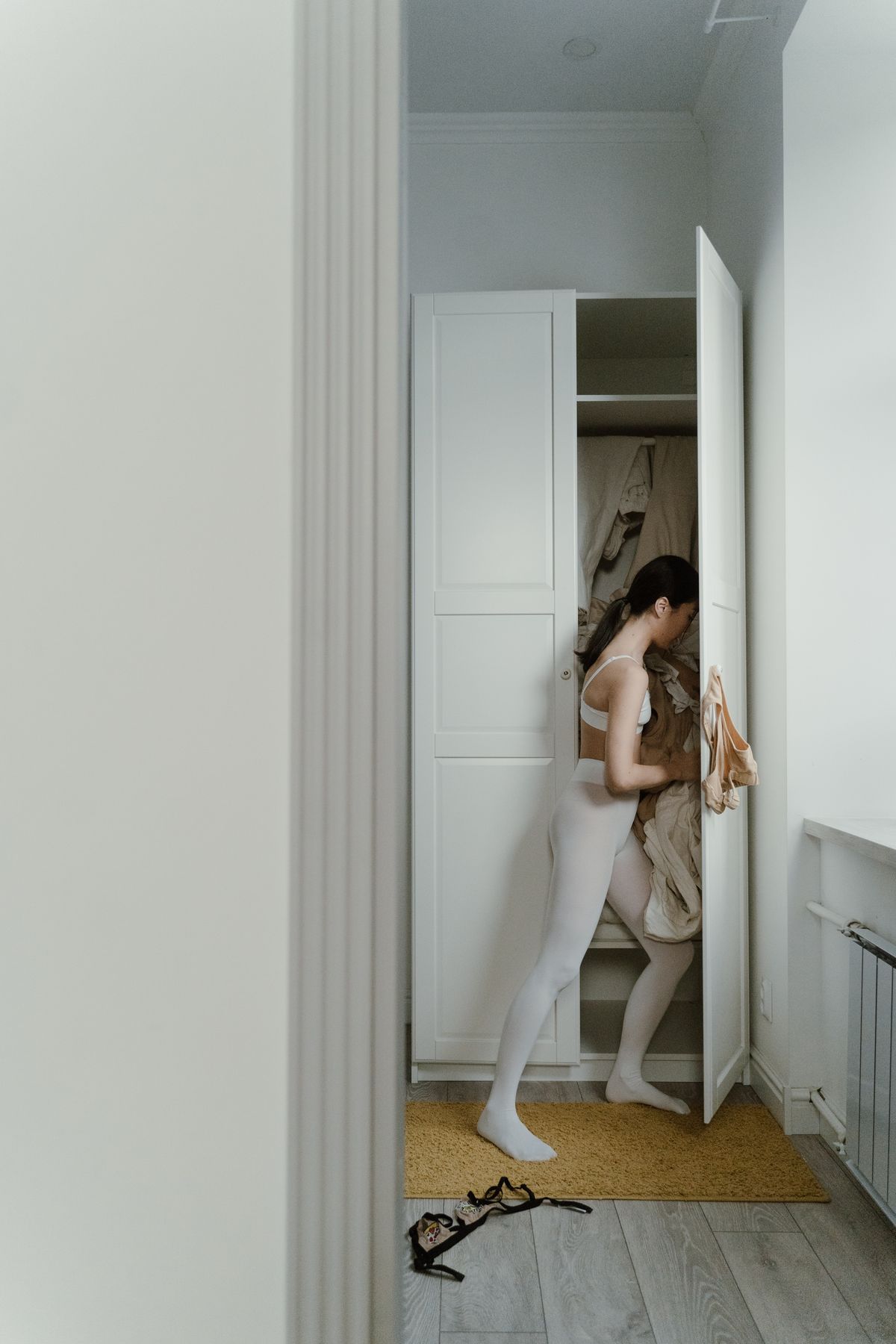
Try returning seasonal pieces on and inspect them. Check whether a repair, cleaning or alteration would solve the apparent shortage. Make a short list of unresolved needs once you know what is usable, rather than starting with a retailer's seasonal collection.
Keep space for changing circumstances. A new commute or different workplace may alter what is practical, and there is little value in buying far ahead for assumptions that may not hold. A list should help you choose, not obligate you to purchase every item on it.
Make comparisons meaningful
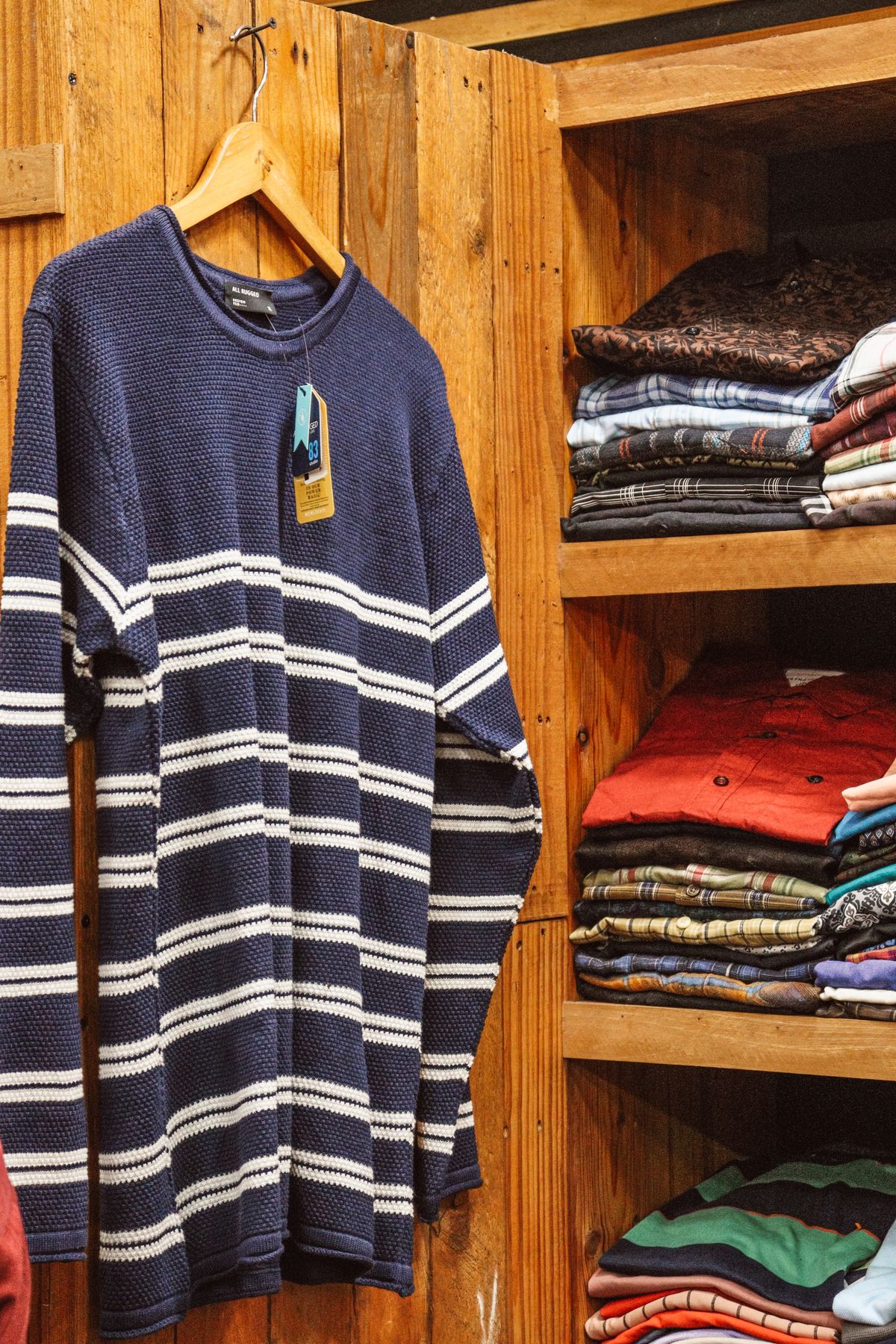
For each possible addition, consider the complete job: fit, comfort, care, likely wear and compatibility with existing clothes. A low price is not useful if the item remains unworn. Equally, a higher price alone does not establish better construction or a better fit for you.
Pause after an addition
Wear and assess the new piece before buying several similar ones. Does it solve the original problem? Does it need unexpected care or another purchase to work? Keep those observations with your list. Planning becomes more accurate when it responds to the clothes you actually use, rather than to the excitement of buying them.