Record the whole outfit
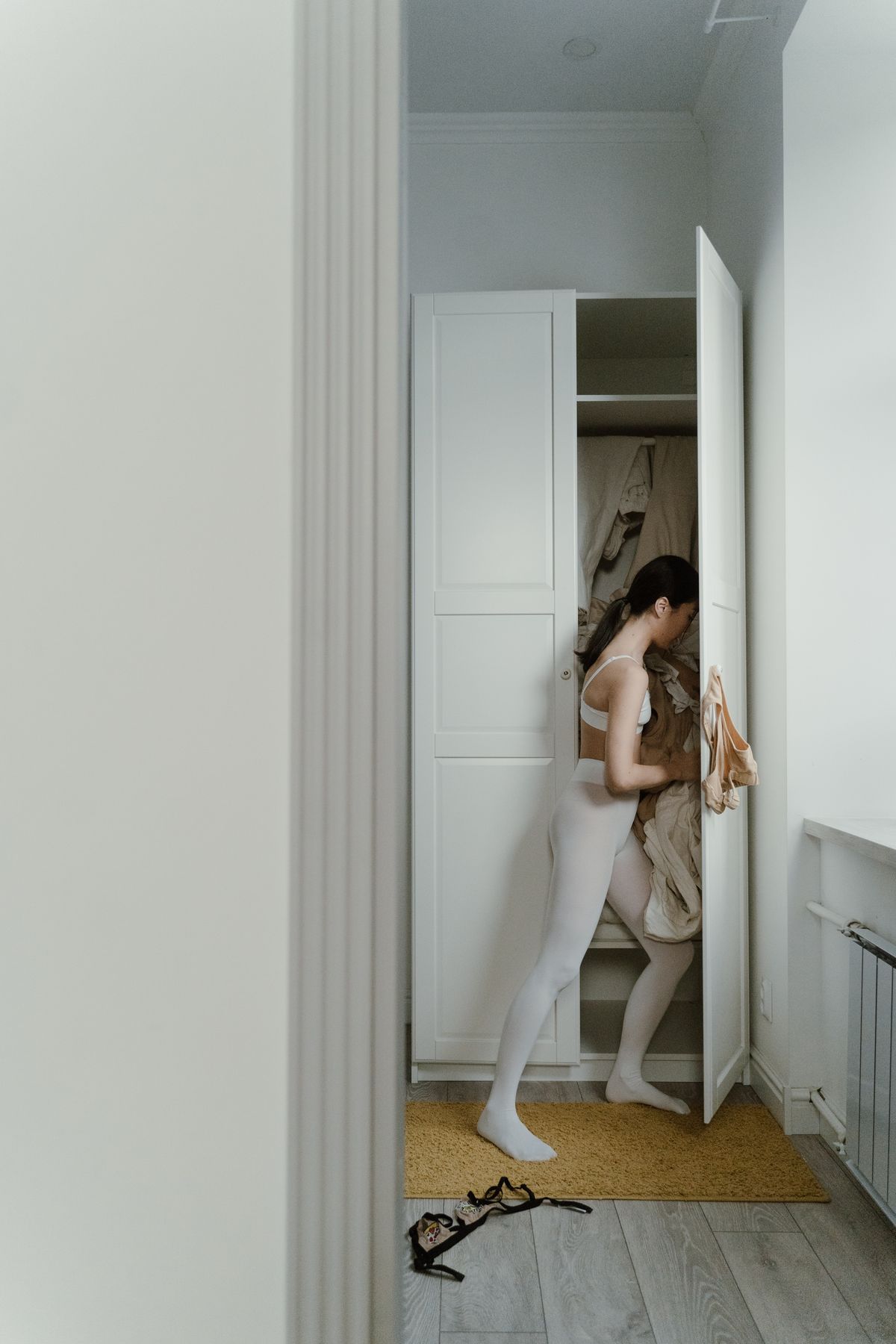
Take a simple mirror photograph or lay the garments together after wearing them. Include shoes and the outer layer, because those often decide whether an outfit is practical. There is no need for a polished photograph, a public account or a separate planning app. A private phone folder is sufficient.
Add the circumstances while they are fresh: a rainy commute, a warm office, several hours standing or a relaxed lunch. A photograph of trousers and a shirt may look unremarkable, but a note that the combination stayed comfortable on a long train journey makes it useful later.
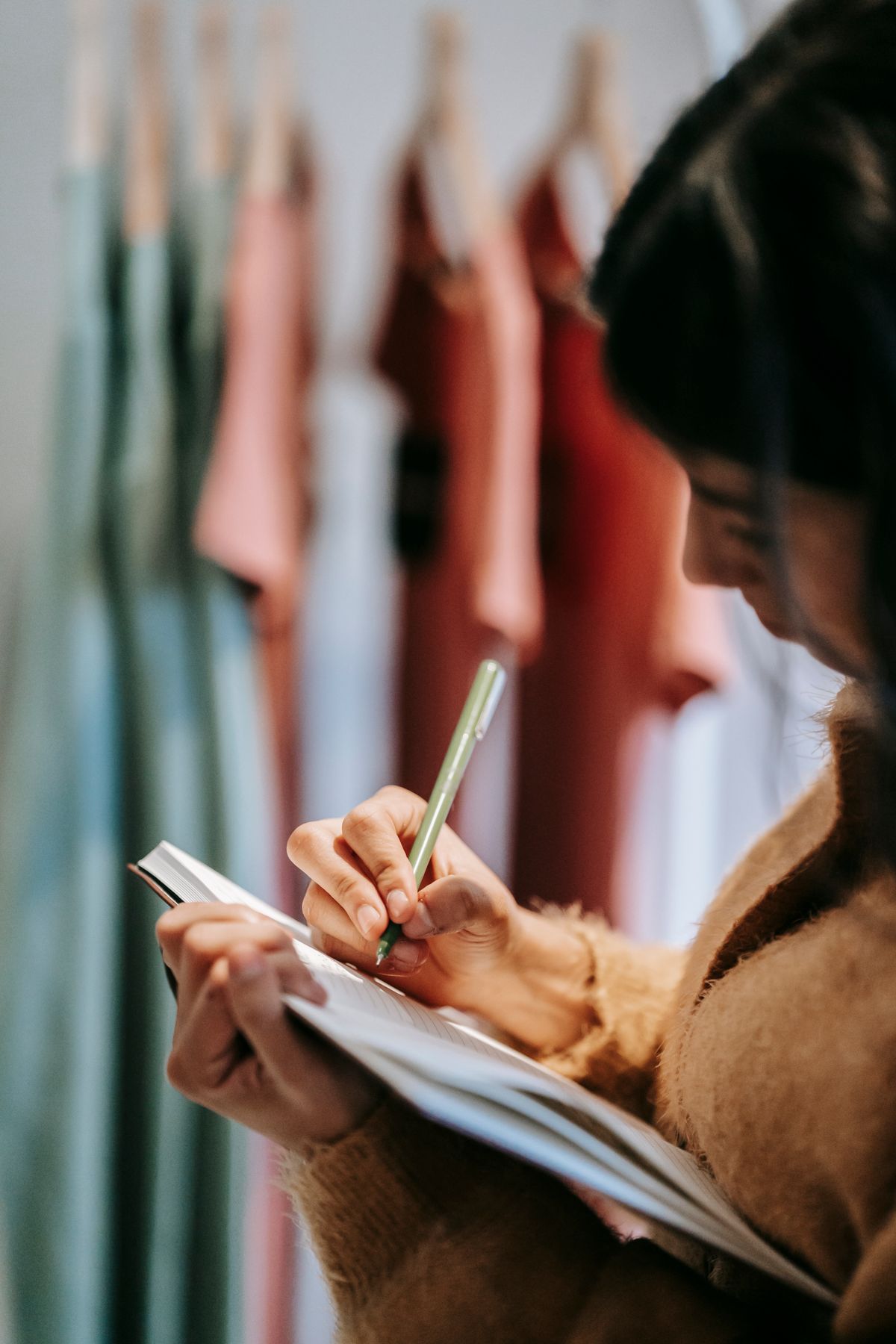
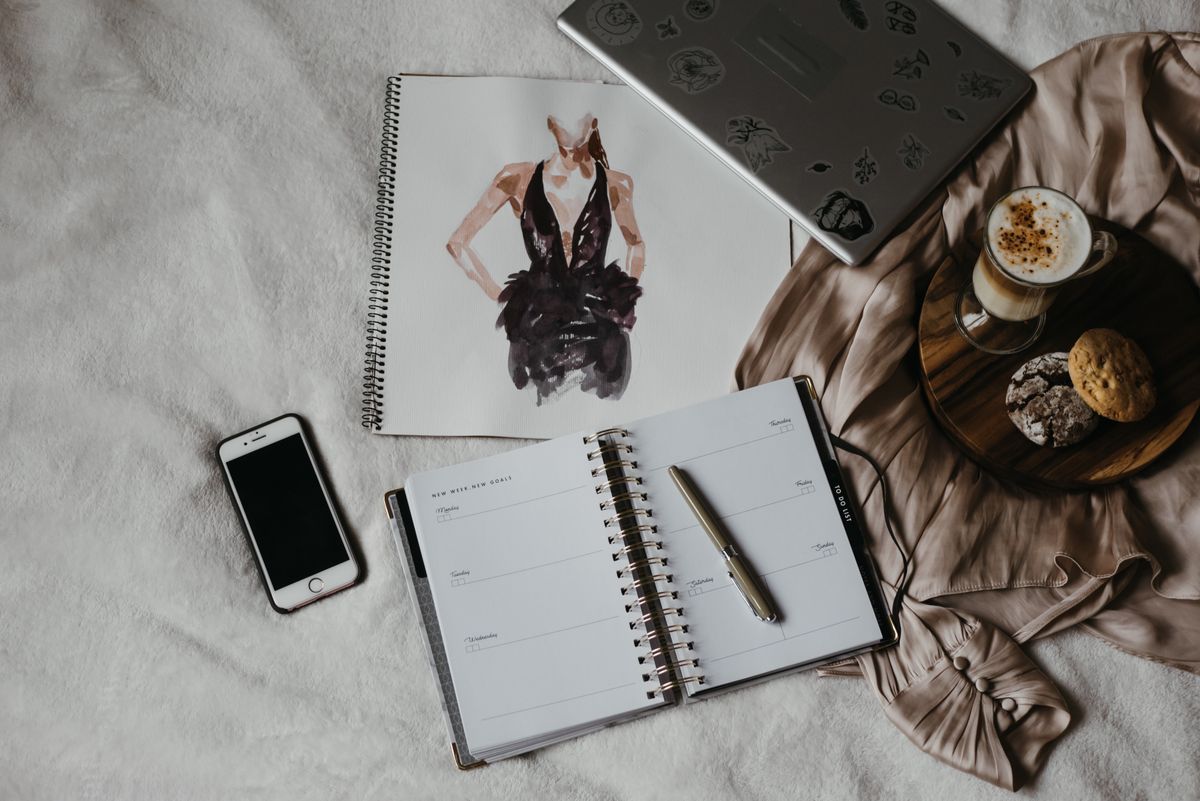
Write the detail a picture misses
Record one observation about fit, comfort or preparation. Perhaps the sleeves bunched beneath a cardigan, the skirt caught against tights, or the trousers needed their shorter shoes. These are more helpful than a score out of ten, which leaves you guessing what caused it.
Keep the language direct. 'Good for walking; bag strap slips on coat' gives you two usable facts. 'Must improve style' gives you none. If a combination needed repeated adjusting, write that down rather than saving only the photograph that looked best.
Reuse the evidence
Before a busy morning, browse the small set of outfits suited to that kind of day. Repeat one or change a single element. This keeps the record connected to getting dressed instead of turning it into another collection to organise.
Delete images that no longer help because the clothes have gone or the combination was uncomfortable. Once a month is plenty if the folder grows quickly. Over time, your notes can reveal a real missing item, but they can just as easily show that you already own enough workable options.