Notice what stops an outfit working
For a couple of weeks, write down moments when getting dressed becomes difficult. Be specific: 'no shoes comfortable for the walk with these trousers' tells you more than 'need better shoes'. You may find several apparently different problems share one cause, such as hems that suit only one heel height.
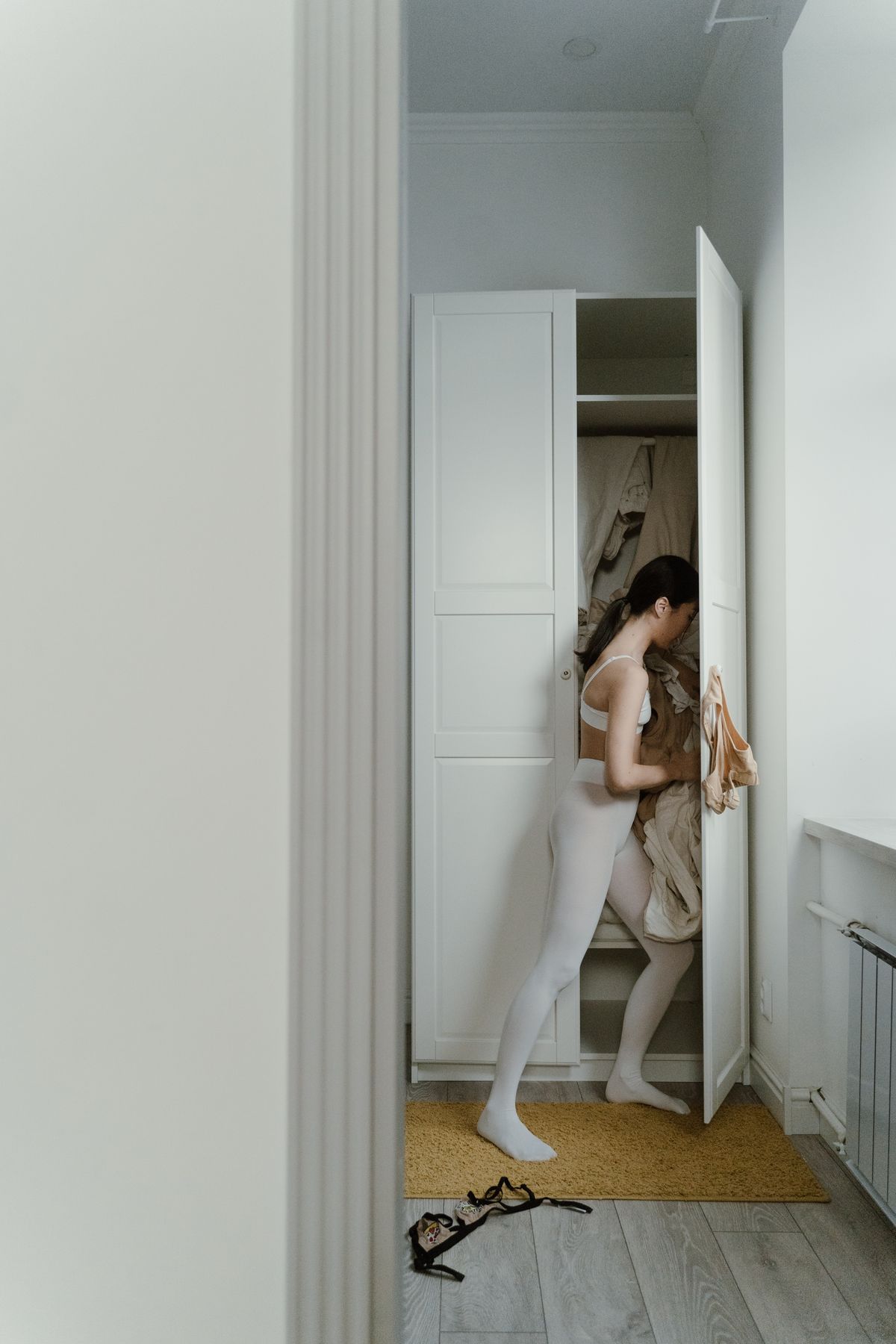
Check what is unavailable because it is waiting for washing or repair. A missing button can masquerade as a shortage of shirts. Bringing an existing garment back into use may solve the problem without adding anything to the wardrobe.
Try the awkward item with what you own before deciding it needs a new companion. Take a photograph of a workable combination so it is not forgotten. If the only way to wear a purchase seems to require three more purchases, consider whether that first piece fits your life at all.
Turn the gap into a short description
Describe function, fit and useful colour range. For example, a light layer that fits beneath your coat and works with two existing bottoms is a clearer brief than a particular fashionable cardigan. Include care needs and where you will wear it. A beautiful dry-clean-only top may not solve a shortage of easy weekday clothing.
Keep the description for a while and see whether the need repeats. An invitation to one unusual event does not necessarily reveal a permanent wardrobe gap. Borrowing, altering or reusing an occasion outfit may make more sense.
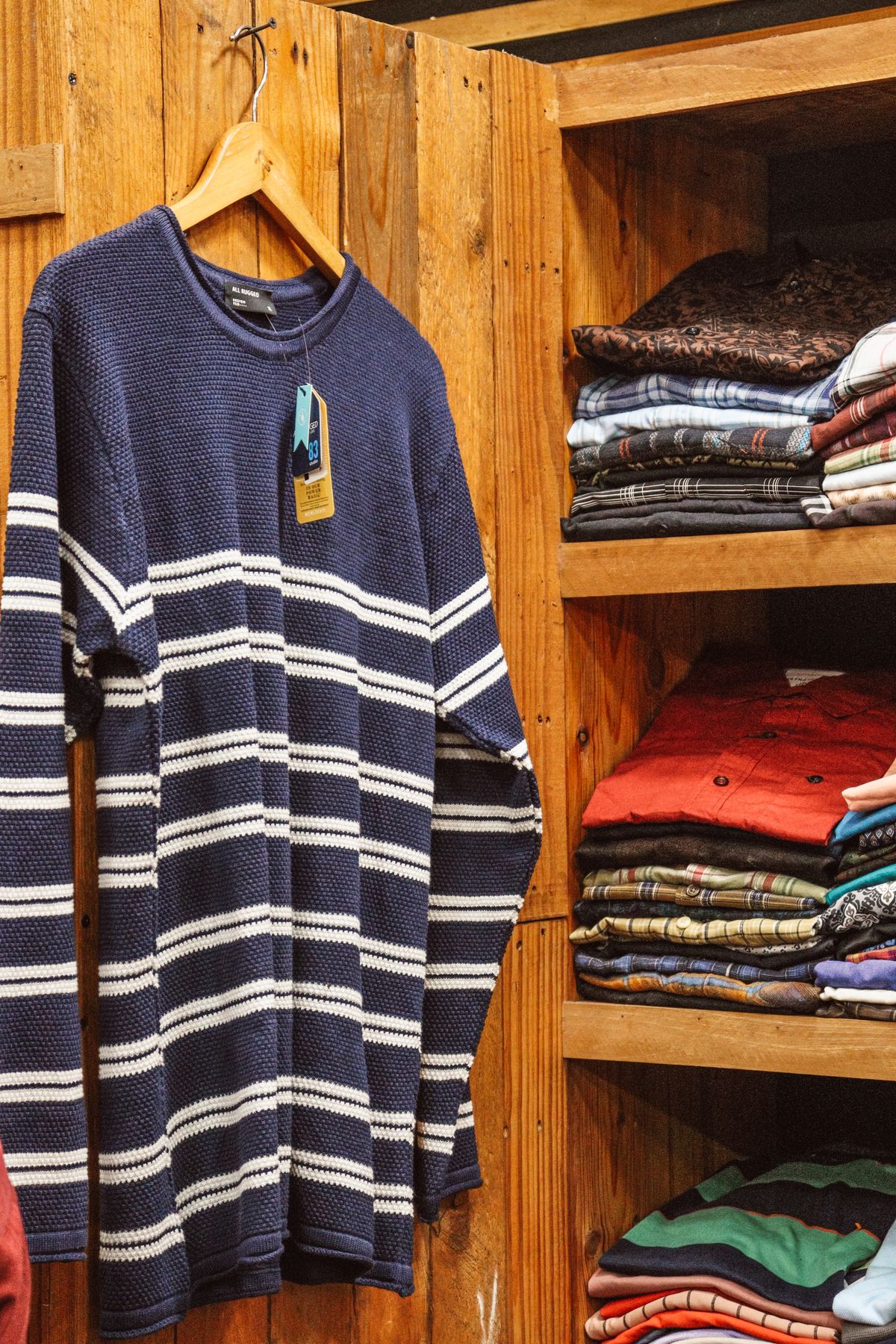
When you do look for something, compare it with the brief rather than the shop display. Check it with existing clothes while return options remain available. A useful addition should remove a problem you already had, not introduce a new set of conditions for wearing it.