Look at the shoulder first
Lay a jacket on its hanger and see where the ends sit. A hanger much wider than the shoulder can push into the sleeve; a very narrow one may leave a heavier garment poorly supported. Structured jackets and coats generally need more shape and strength than a light blouse.
Check the hanger itself for rough edges, bent hooks or cracked plastic before trusting it with delicate fabric. A matching set is convenient, but appearance is less important than a smooth surface and suitable support. Keep any useful original hangers rather than replacing everything simply for consistency.
Give slippery pieces a secure place
A smooth blouse may slide from a narrow hanger. Choose a suitable non-slip surface or use the garment's hanging loops where provided. Avoid stretching the neckline over the hanger when you can place the hanger inside from below or open the garment first.
For skirts and trousers, check how a clip or bar affects the fabric. Clips should hold securely without marking a vulnerable area. A padded bar can reduce a sharp fold, but the right choice depends on the garment and the available drop beneath the rail. Make sure the hem is not resting on a shelf.
Save rail space honestly
Thin hangers can create room, but they do not make an overloaded rail easy to use. Leave space to move each item and see it. Hanging several unrelated garments together may save a hook while making the bottom piece effectively invisible.
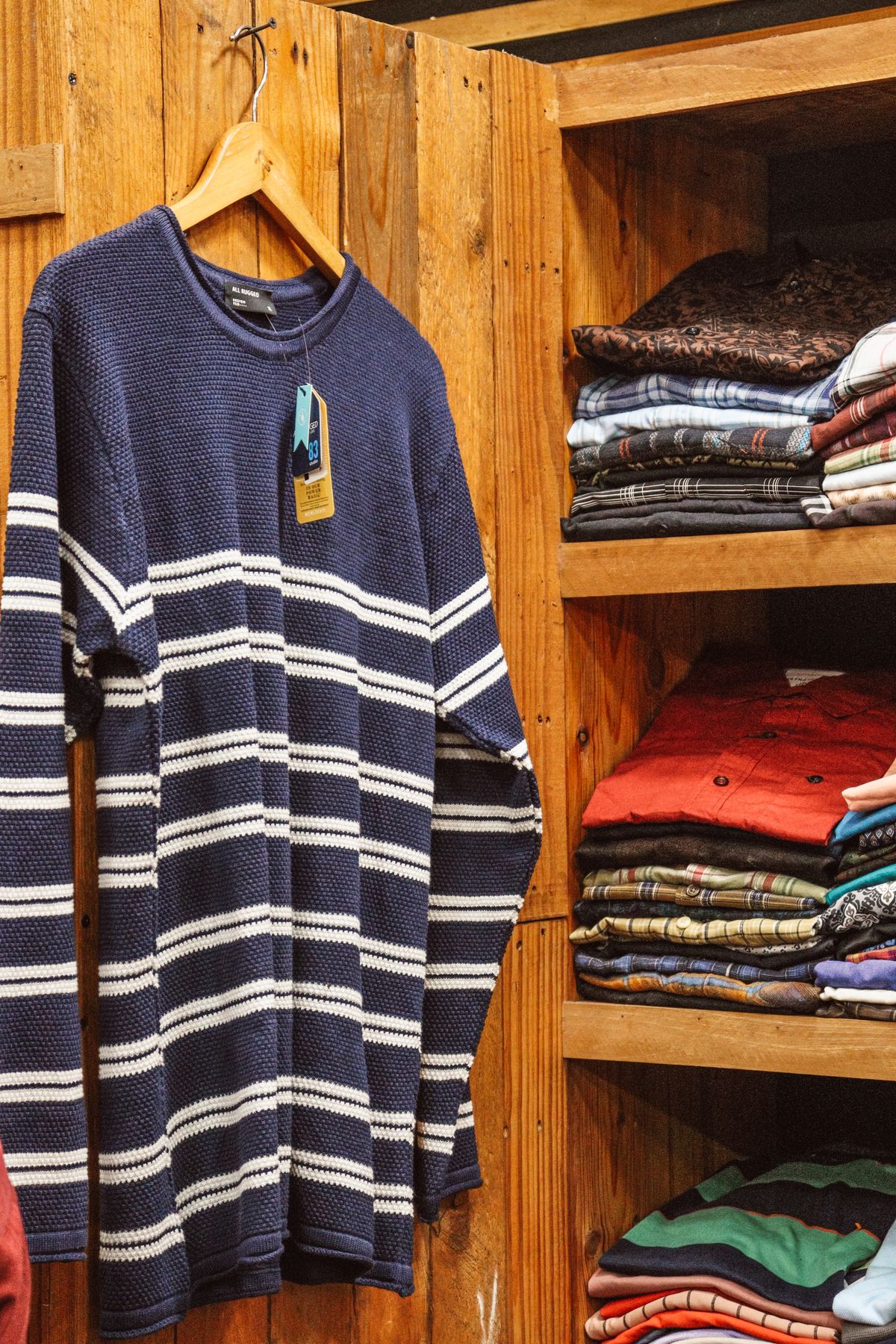
Keep heavy or stretchy knitwear folded when hanging would pull it out of shape. Reassess the arrangement after wearing the clothes for a week. If garments repeatedly fall, snag or develop awkward bumps, change the support rather than blaming yourself for not keeping the wardrobe tidy.