Consider weight and stretch
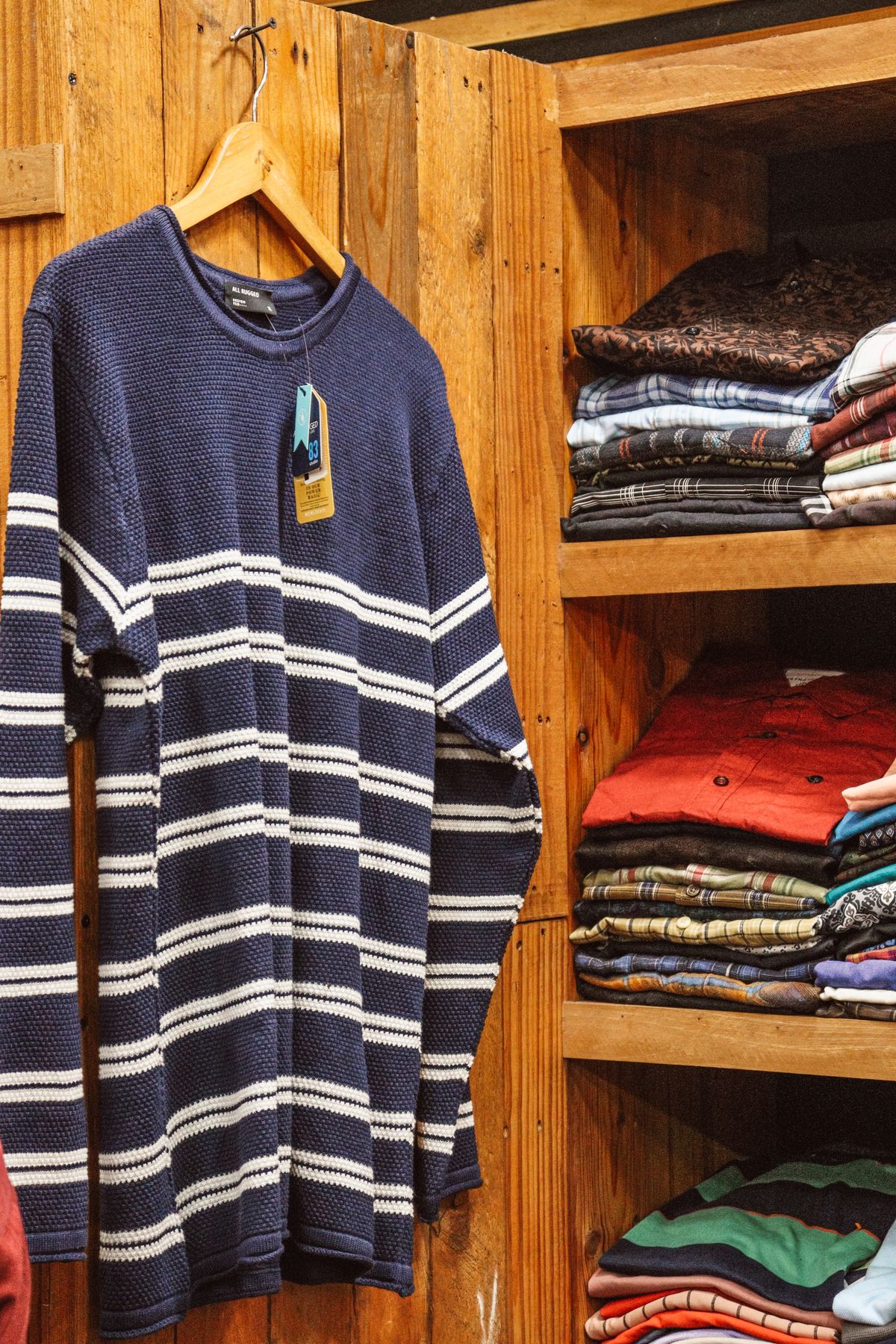
A heavy knitted jumper can pull down under its own weight on a hanger. Folding supports the body and sleeves together. Light knits can also develop shoulder bumps, so watch how a garment behaves rather than assuming a small size means it should hang.
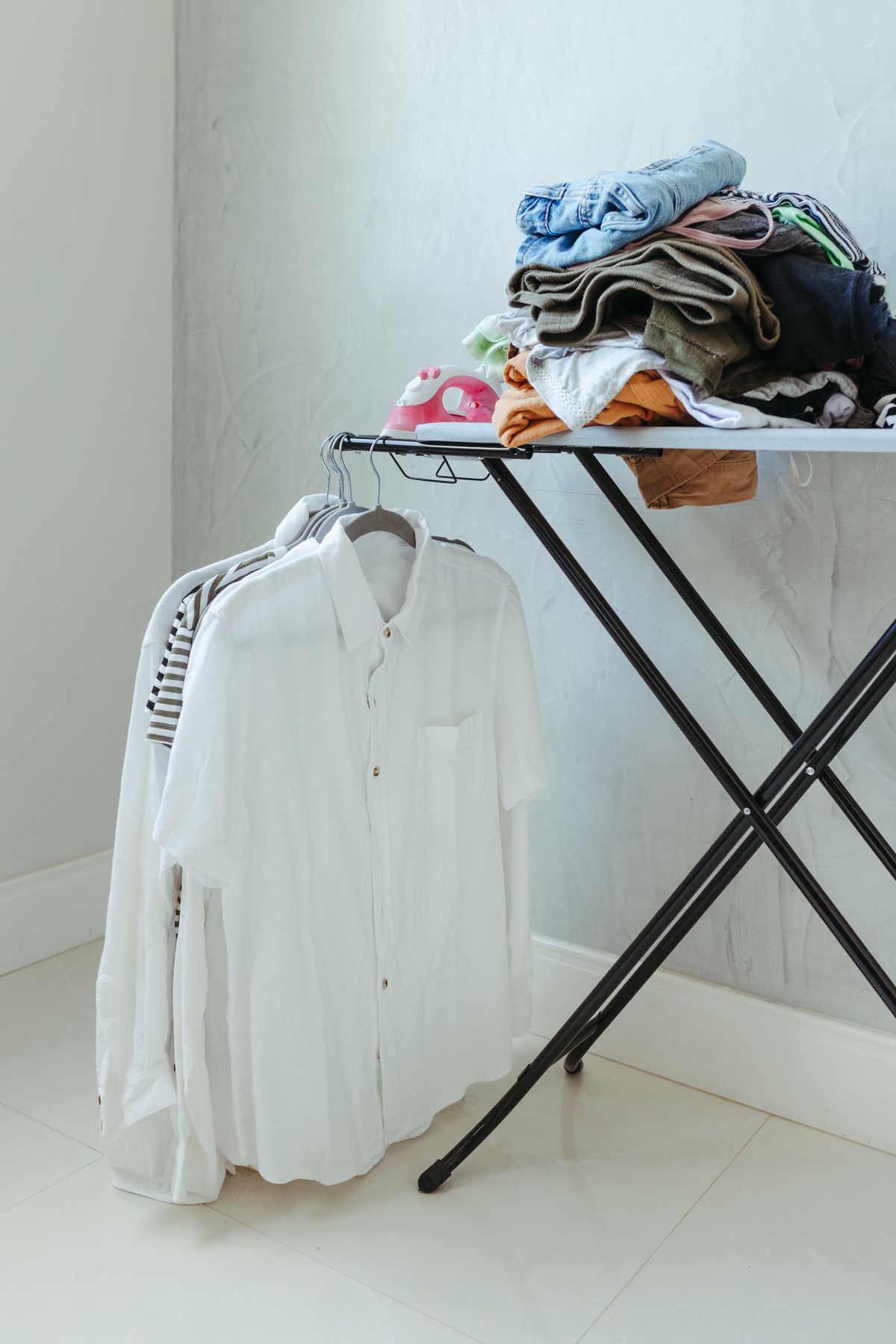
Structured woven jackets usually benefit from a hanger that supports their shoulders. Shirts and dresses may be easier to keep ready when hung, particularly if folds would create creases you would need to press out. Check the garment's care advice and any special storage instructions for unusual construction.
Fold for the space you actually have
On a shallow shelf, a conventional flat fold may be easiest. In a drawer, a loose upright arrangement can let you see several tops at once. Neither method is useful if the fabric must be forced into a narrow slot or the drawer drags across it when closed.
Keep stacks short enough to remove one piece without rebuilding the whole shelf. Put heavier garments below lighter ones, and avoid burying delicate details under a large pile. If you forget the bottom item exists, try splitting the stack into two lower groups.
Use hanging space deliberately
Fasten enough buttons or closures to help a garment sit properly, without pulling it tight. Give long dresses sufficient drop and avoid trapping sleeves in the wardrobe door. Clothes should be clean and fully dry before longer storage, whichever method you choose.
There will be exceptions. A frequently worn cotton shirt might live happily folded, while an occasional dress needs generous hanging room. The test is what happens when you take the item out: does it retain its shape, feel ready to wear and remain easy to find? Let that result guide the arrangement.