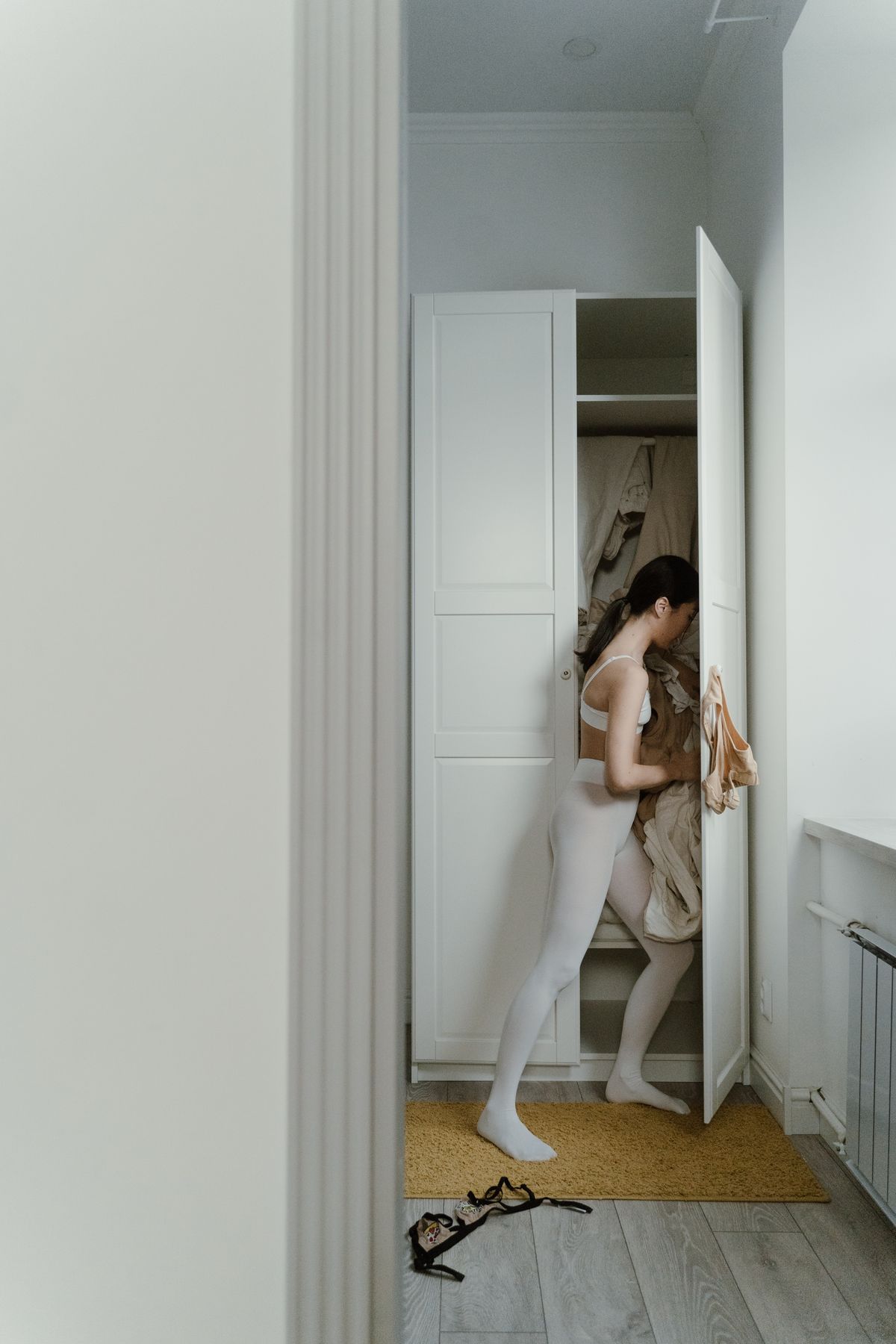
Decide what the rail is for
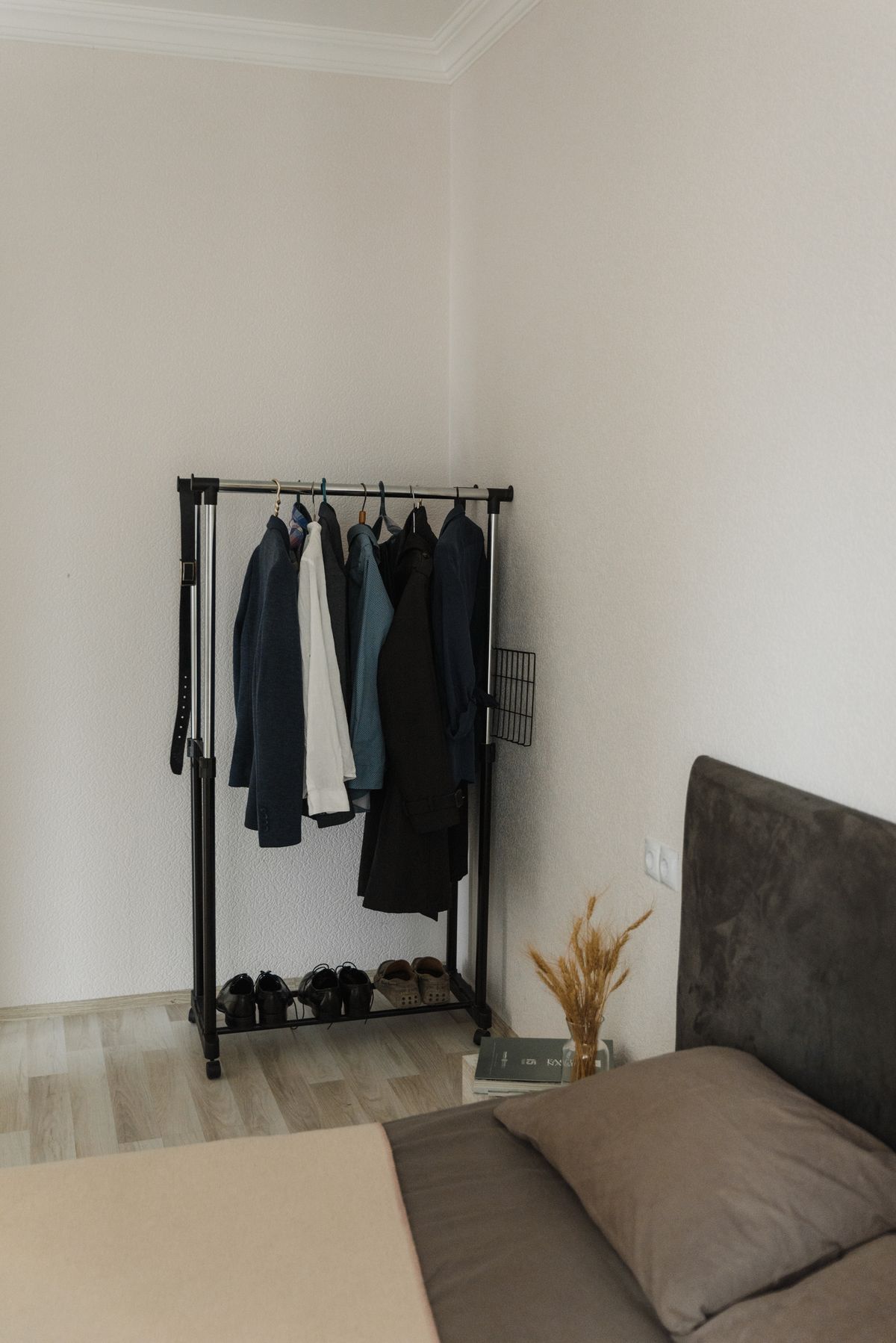
A rail holding the next few days' outfits has a different job from one replacing an entire wardrobe. Choose one purpose before filling it. If it is temporary outfit storage, keep the rest of your clothes elsewhere and return unused pieces after the week. Otherwise it becomes a second place to lose track of things.
Position it where clothing will not brush a heater, trail across a walkway or collect splashes. Check the maker's weight limit and make sure the rail stands steadily on the floor. Put long garments at an end with sufficient clearance, and check that a nearby door can still open fully.
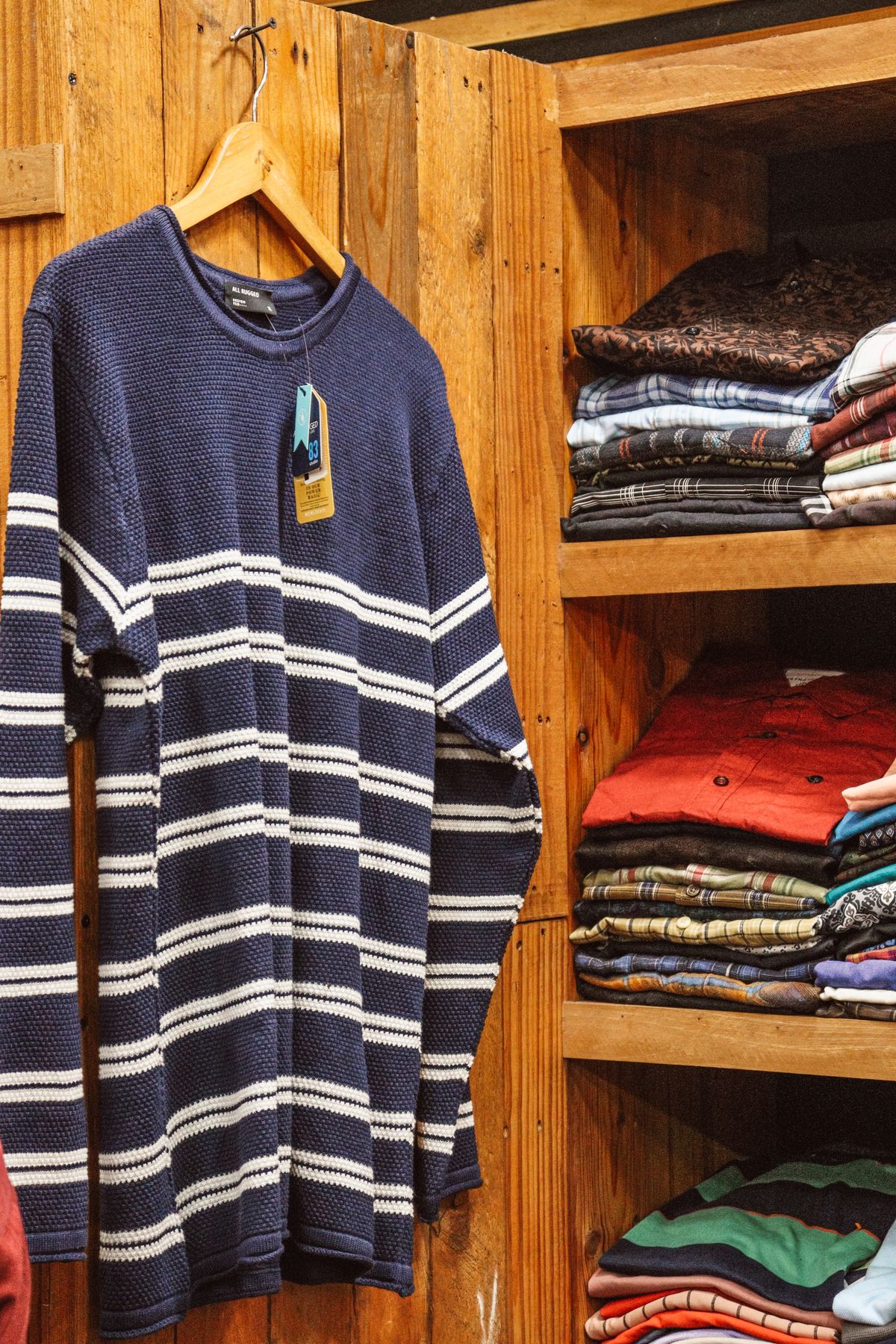
Use hangers that suit the garments rather than choosing them only for their appearance. Leave space to slide each one. A neat line of matching hangers is little help if removing a jacket pulls three shirts with it. Heavy knitwear is usually better supported folded on a shelf than dangling from the rail.
Keep the visible collection in use
Group clothes by the way you dress: complete combinations at one end, or tops together and trousers together. Try the simplest arrangement first. Because the rail is open, you can quickly see whether a supposedly useful item remains untouched for weeks.
Give worn clothes a separate, limited place while you assess whether they need washing. Avoid layering them over clean outfits. Keep the floor beneath the rail easy to clean, with shoes or a basket only if those items genuinely belong there.
Once a week, remove empty hangers and put away pieces that no longer suit the weather or your plans. This small reset matters more than colour order. If the rail continually overflows, reduce its role or its contents before adding another rail to the room.