Begin with the information you have
Read the invitation for a dress code, location and any activities beyond a conversation. An office interview, a practical assessment and a video call may need different arrangements. If the wording leaves an important question unanswered, ask the organiser rather than guessing from a company's photographs alone.
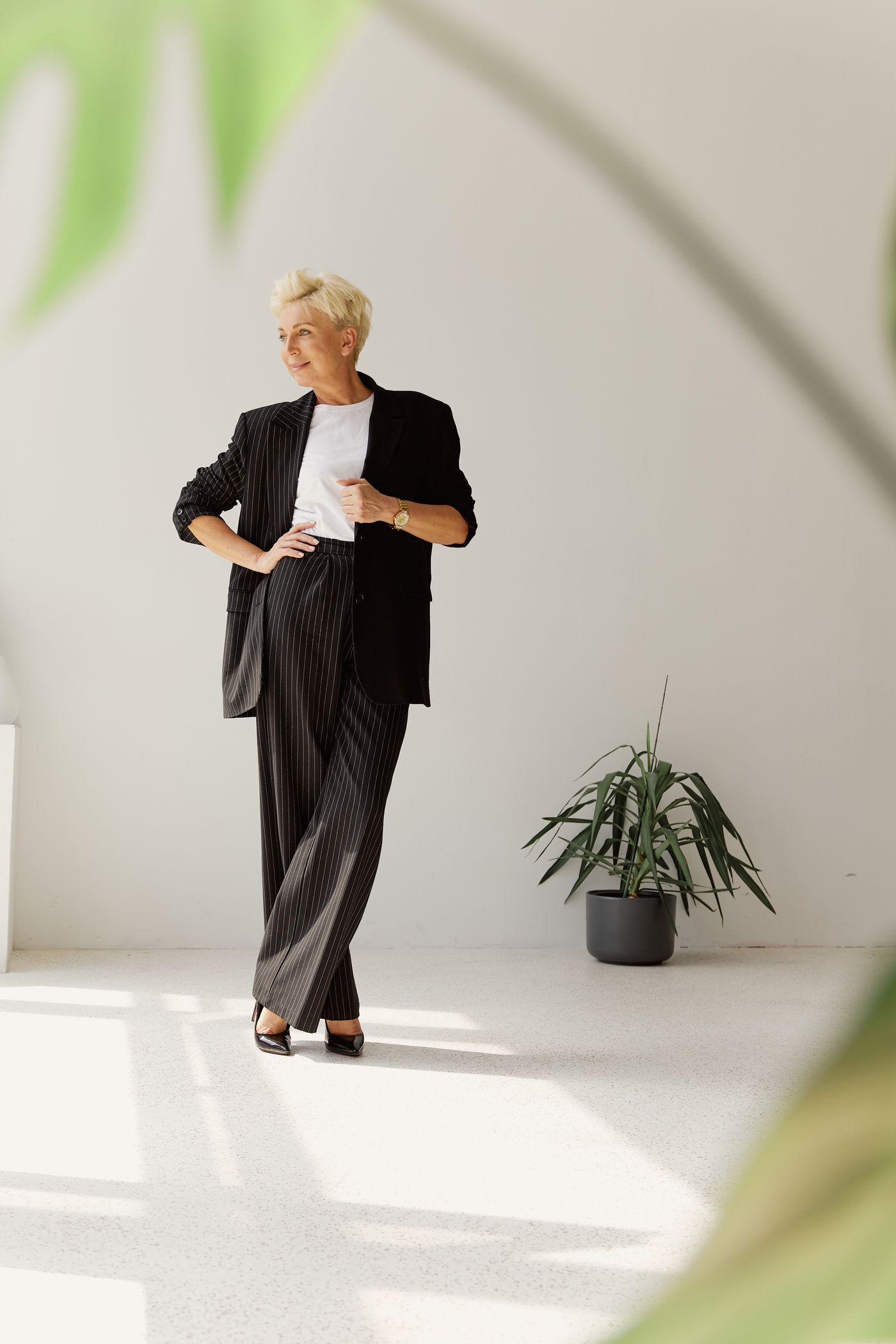
Choose clothes that are familiar enough to feel comfortable. A neat shirt with trousers, a simple dress with a jacket, or a matching suit can each be useful depending on the setting. You do not need to buy a complete outfit just because the occasion matters. Check what you own before deciding that something is missing.
Rehearse the movements
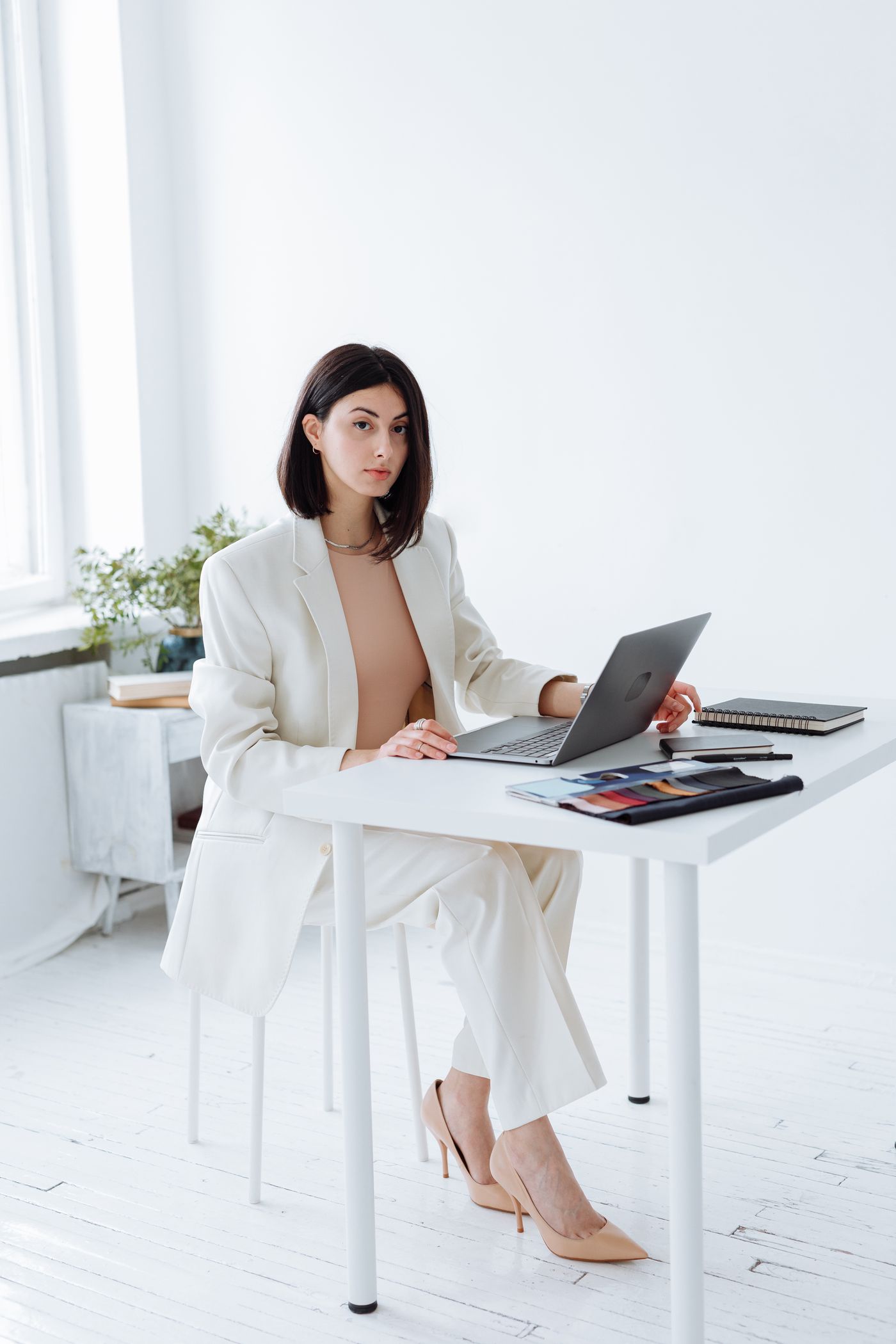
Sit in the outfit for several minutes. Fasten the jacket, cross and uncross your legs if that is a normal sitting position for you, and reach for a notebook. Look for buttons that pull, a hem that needs constant adjustment or a collar that catches beneath the jacket. These small distractions are easier to fix beforehand.
Check the condition in daylight
Inspect the clothes in daylight for marks, loose threads and creases. Read the care labels before cleaning or pressing anything. Leave enough time for garments to dry properly. Put the complete outfit together, including socks or tights and the shoes you have actually tested with it.
Plan the arrival
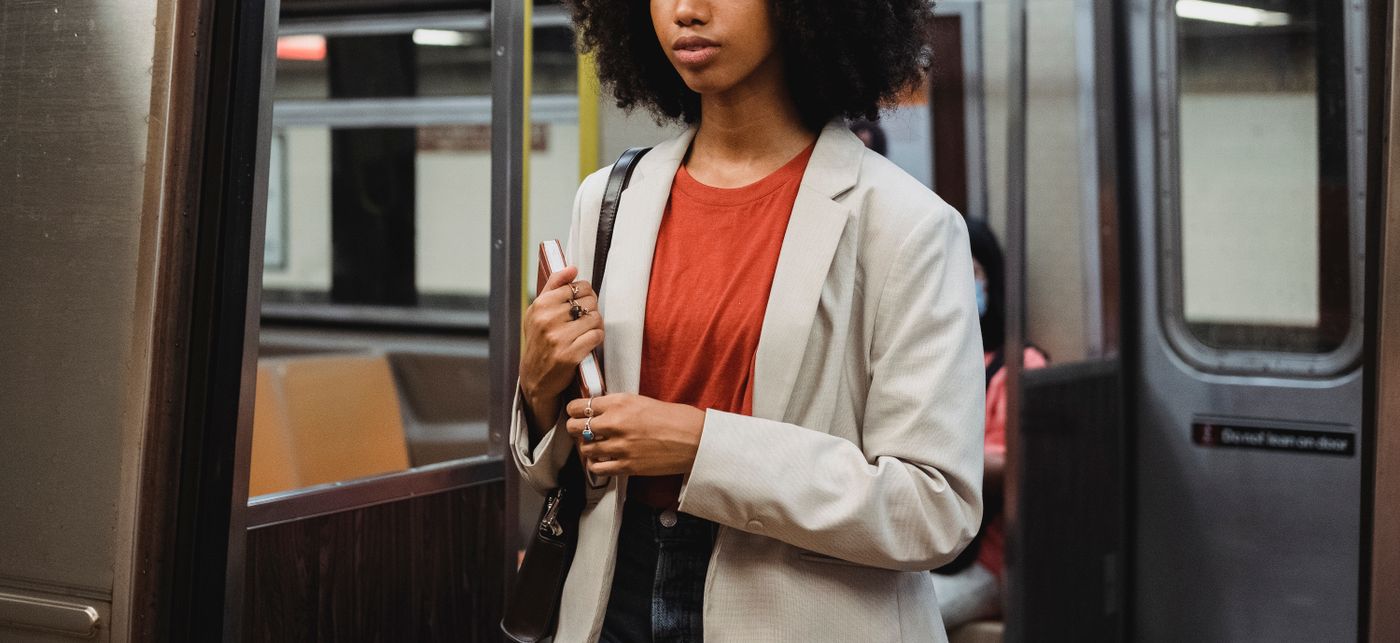
Check the walk from the station or car park and the weather forecast. Carry documents in a bag that holds them without folding, and choose an outer layer you can manage when you arrive. For a video interview, check the neckline and jacket while seated in the actual camera position. Set the clothes aside the night before, then spend the morning preparing for the conversation rather than searching for a missing shoe.